
Includes a few bonus upper-intermediate words.
You already know 拿 (ná) “to take/hold” and 放 (fàng) “to put.”
But how would you say:
“press the button,”
“twist the bottle cap,”
“pick up your keys,”
“stir your coffee,”
or “tear the paper”?
Chinese has many short action verbs that describe exactly what your hands are doing.
Instead of memorizing long definitions, connect each word with a real movement. ✋
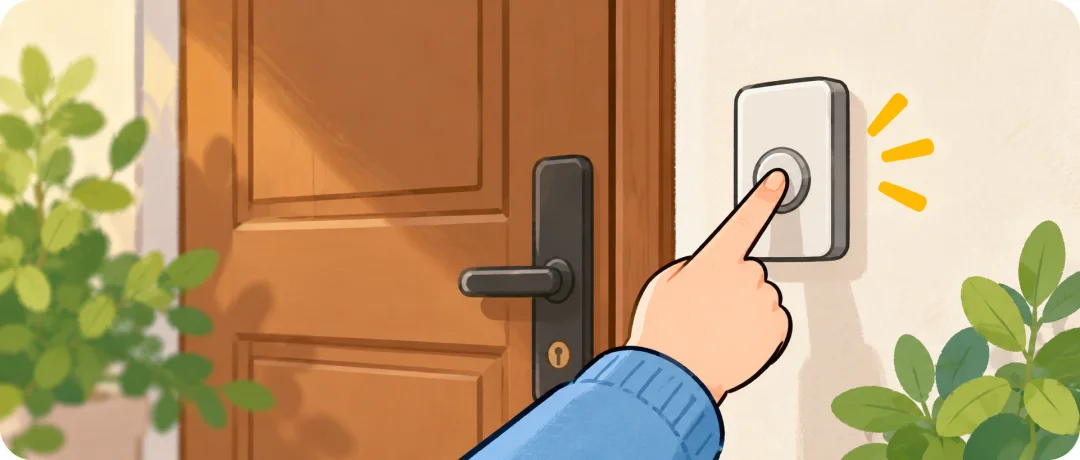
1️⃣ 按 (àn) — to press
Use 按 when you press something with your finger or hand.
请按这个按钮。
Please press this button.
You’ll often hear:
按按钮
press a button
按门铃
ring the doorbell
2️⃣ 拧 (nǐng) — to twist / turn
Use 拧 when you twist something with your hand, especially a cap, screw, or similar object.
把瓶盖拧开。
Twist the bottle cap open.
Useful combinations:
拧开
twist open
拧紧
tighten
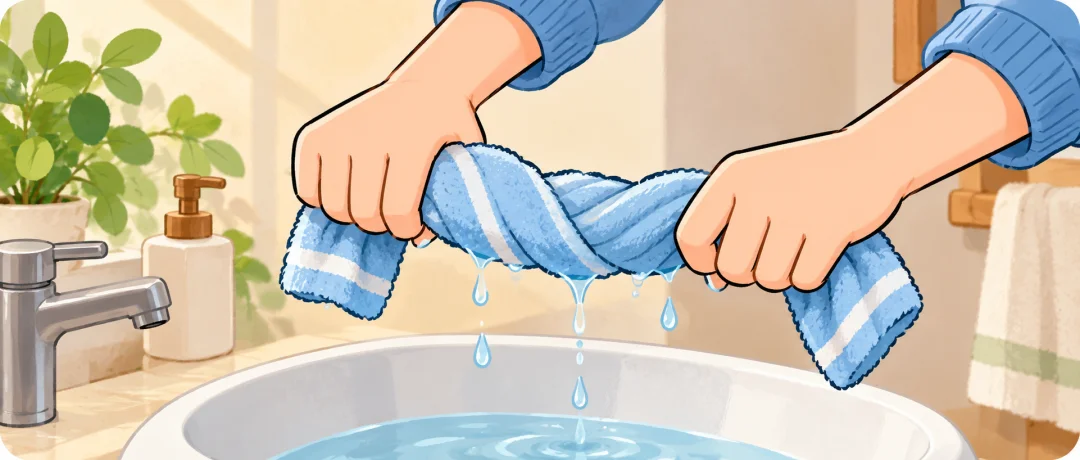
拧毛巾
wring out a towel
3️⃣ 抓 (zhuā) — to grab / grasp
抓 usually means taking hold of something quickly or firmly.
他一把抓住了我的手。
He grabbed my hand.
Notice the useful combination:
抓住
grab and hold onto

4️⃣ 捡 (jiǎn) — to pick up from the ground
Use 捡 when something has fallen or is lying on the ground and you pick it up.
你的钥匙掉了,我帮你捡起来。
You dropped your keys. I’ll pick them up for you.
A very useful phrase is:
捡起来
pick up

5️⃣ 拿 (ná) — to take / hold
拿 is one of the most useful hand-action verbs in Chinese.
你帮我拿一下这个包。
Could you hold this bag for me?
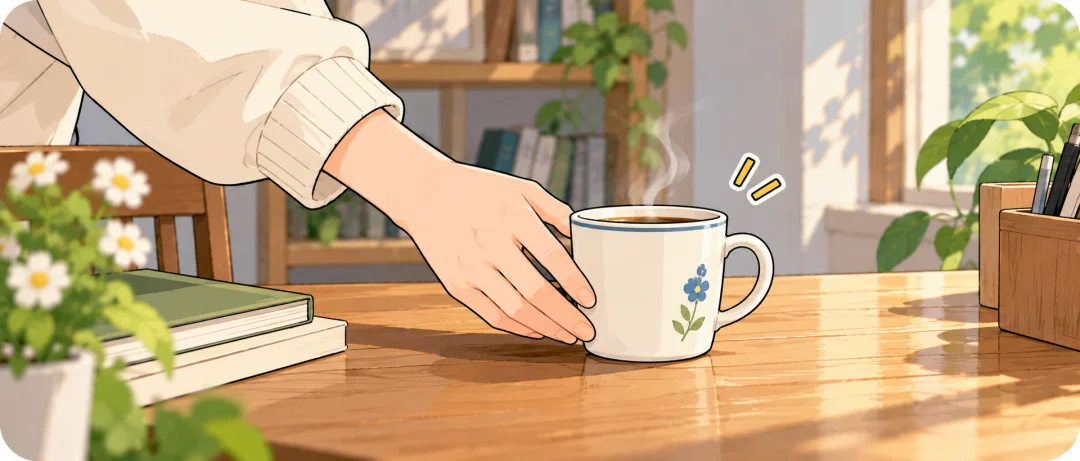
他手里拿着一杯咖啡。
He is holding a cup of coffee.

6️⃣ 放 (fàng) — to put / place
Use 放 when you put something somewhere.
请把杯子放在桌上。
Please put the cup on the table.
A useful pair:
拿起来
pick it up
放下来
put it down
7️⃣ 举 (jǔ) — to raise / lift
One sentence almost every Chinese learner hears:
请举手。
Please raise your hand.
You can also say:
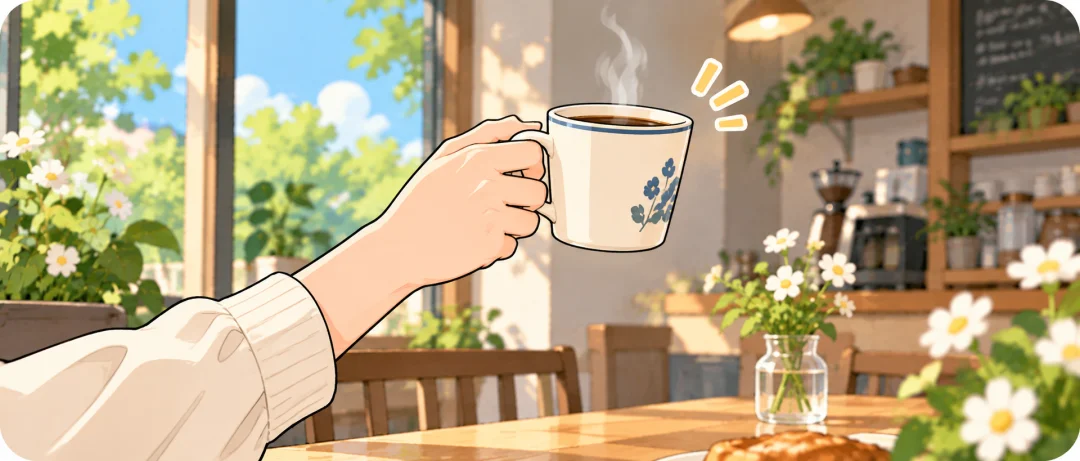
他举起了杯子。
He raised his glass.
8️⃣ 拎 (līn) — to carry by hand
拎 usually describes carrying something that hangs down from your hand.
她拎着两个购物袋。
She is carrying two shopping bags.
Compare:
拿 → general hold / take
拎 → carry something hanging from your hand

9️⃣ 扔 (rēng) — to throw
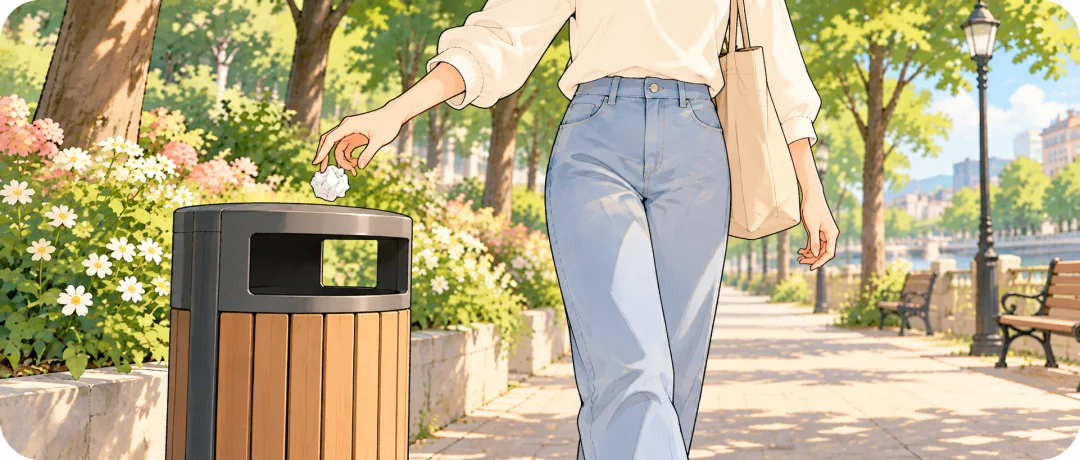
别把垃圾扔在地上。
Don’t throw trash on the ground.
Another useful combination:
扔进垃圾桶
throw into the trash can
🔟 丢 (diū) — to throw away / lose
丢 is useful because it has two very common meanings.
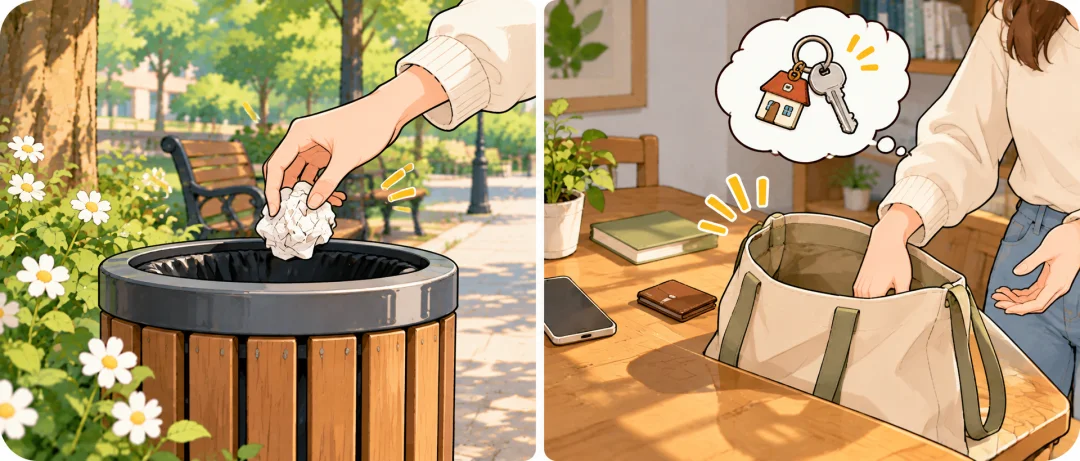
把这个空盒子丢了吧。
Let’s throw away this empty box.
But:
我的钥匙丢了。
I lost my keys.
So remember:
扔 → focus on the throwing action
丢 → throw away, or lose something
1️⃣1️⃣ 摇 (yáo) — to shake
喝之前先摇一摇。
Shake it before drinking.
You may also know:
摇头
shake your head

1️⃣2️⃣ 倒 (dào) — to pour
When 倒 means “to pour,” it is pronounced dào.
请给我倒一杯水。
Please pour me a glass of water.
倒水
pour water
倒咖啡
pour coffee
⚠️ Be careful:
倒 (dào) → pour
倒 (dǎo) → fall over
他摔倒了。
He fell down.

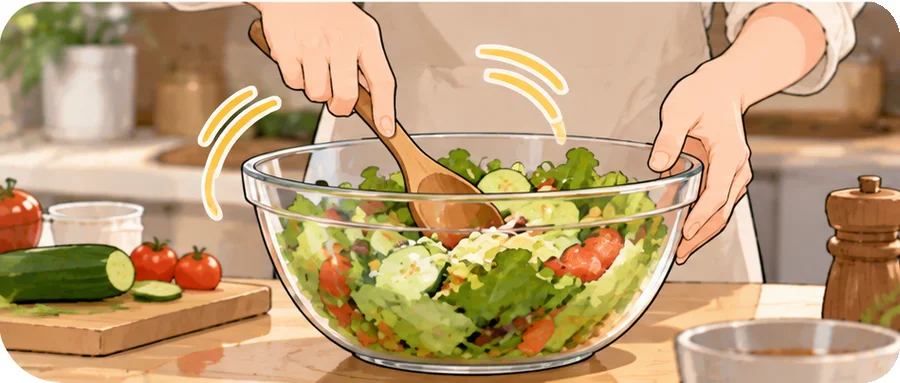
1️⃣3️⃣ 拌 (bàn) — to mix / toss
拌 is especially common when talking about food.
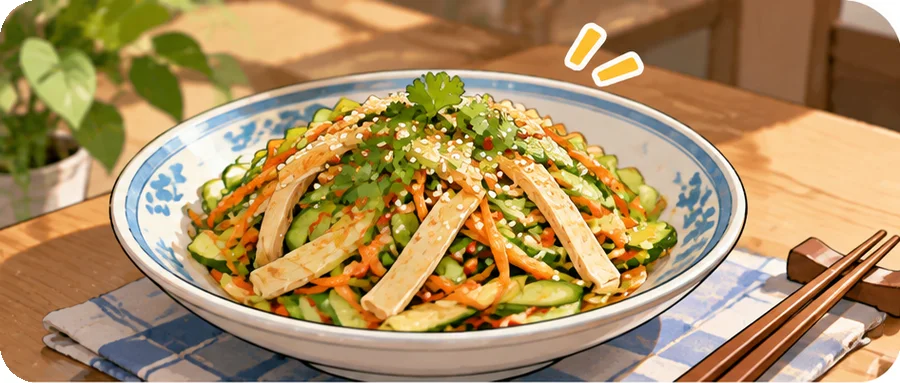
把沙拉拌一下。
Toss the salad.
You may also see:
拌面
noodles mixed with sauce
凉拌菜
cold dressed dishes
1️⃣4️⃣ 搅 (jiǎo) — to stir
搅 focuses more on the physical stirring movement.
把咖啡搅一搅。
Stir the coffee.
A common word is:
搅拌
to stir / mix
An easy way to remember the difference:
拌 → mix ingredients together
搅 → stir something around
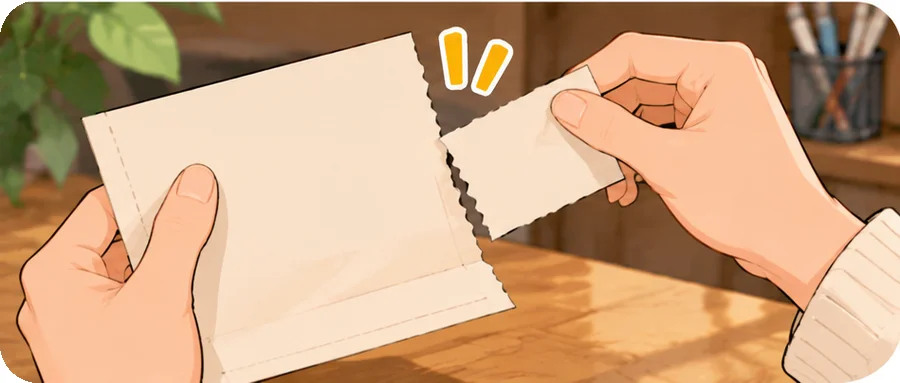
1️⃣5️⃣ 撕 (sī) — to tear / rip
请把这张纸撕成两半。
Please tear this piece of paper in half.
Useful combinations:
撕开
tear open
撕下来
tear off
1️⃣6️⃣ 抹 (mǒ) — to spread / apply
Use 抹 (mǒ) when you spread or apply something onto a surface.
她在面包上抹了一点黄油。
She spread some butter on the bread.
Another common expression:
抹药
apply medicine
For everyday “wipe,” however, 擦 (cā) is often more useful.

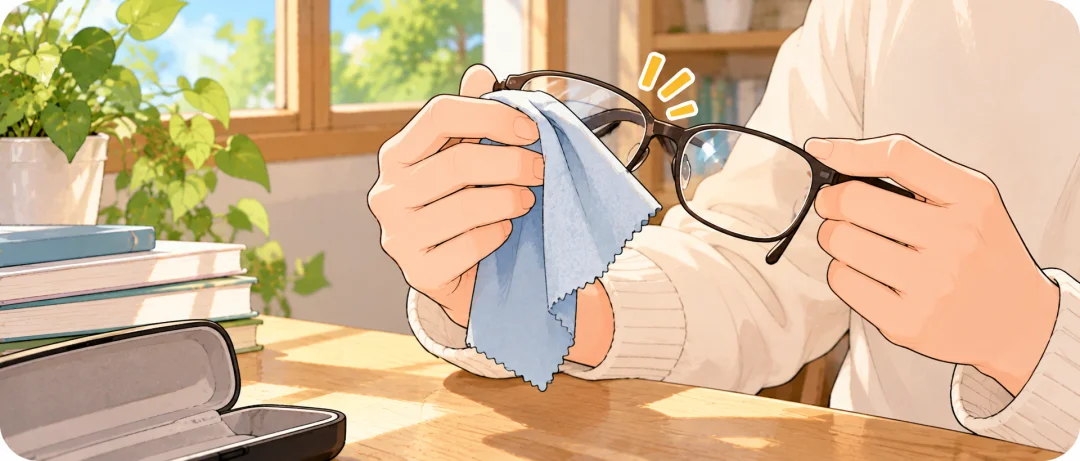
1️⃣7️⃣ 擦 (cā) — to wipe
桌子有点脏,你擦一下吧。
The table is a little dirty. Wipe it, please.
Common combinations:
擦桌子
wipe the table
擦眼镜
clean your glasses
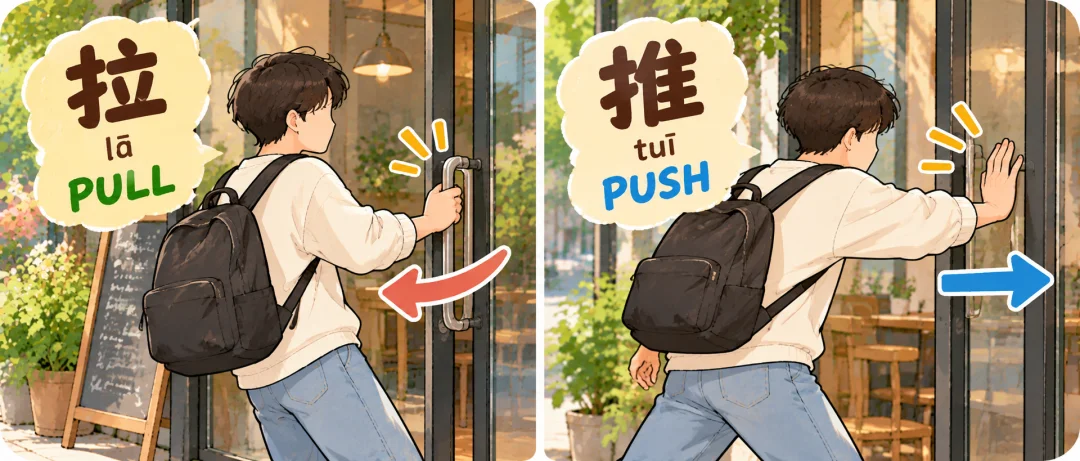
1️⃣8️⃣ 拉 (lā) — to pull
请把门拉开。
Please pull the door open.
Its common opposite is:
推 (tuī) — push
So on doors, you may see:
拉 — PULL
推 — PUSH
1️⃣9️⃣ 拍 (pāi) — to pat / clap
The meaning of 拍 changes depending on what comes after it.
她轻轻拍了拍我的肩膀。
She gently patted me on the shoulder.
You may also know:
拍手
clap your hands
拍照
take a photo
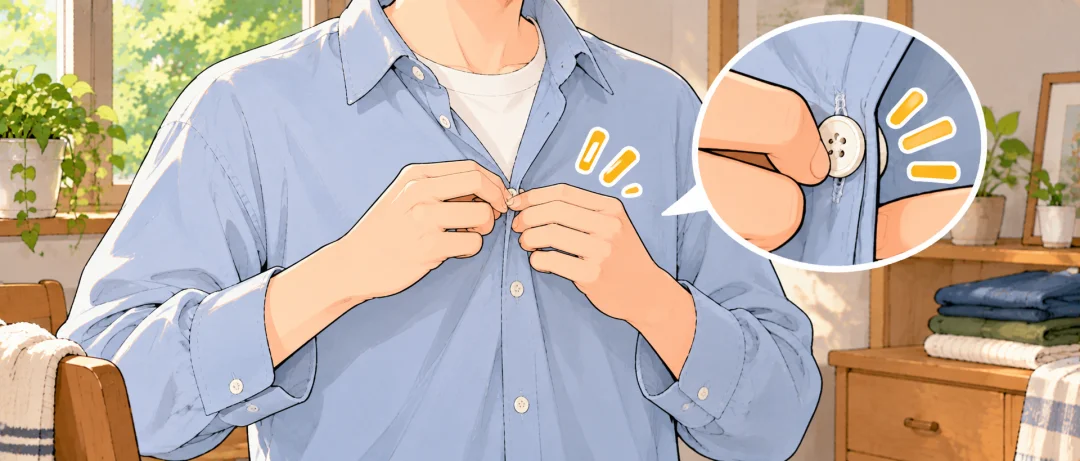
2️⃣0️⃣ 扣 (kòu) — to fasten / button
Use 扣 when fastening something such as a button or buckle.
把扣子扣上。
Button it up.
You may also hear:
扣好
fasten properly
🌟 Bonus Words
A few hand-action words are useful, but they are less important for beginners.
缠 (chán) means to wrap something around something else.
把线缠在手指上。
Wrap the string around your finger.
撑 (chēng) often means to support something or hold/stretch something open.
帮我把袋口撑开。
Help me hold the bag open.
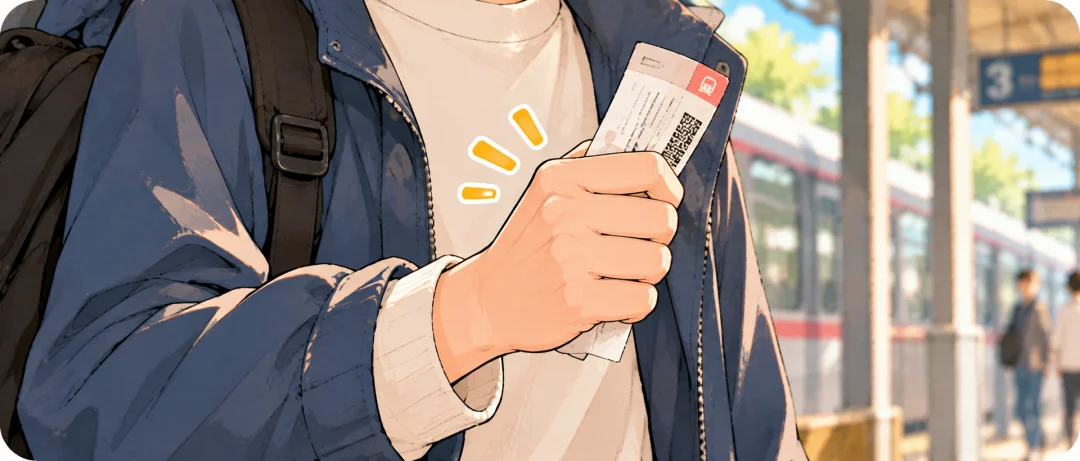
攥 (zuàn) means to clutch something tightly in your hand.
他紧紧攥着车票。
He was clutching the ticket tightly.
⚠️ Don’t Treat Every Picture Label as a Verb
You may sometimes see 拳 (quán) next to a picture of someone punching.
But 拳 mainly means “fist.”
Natural Chinese is:
他打了我一拳。
He punched me.
You may also come across 掴 (guó) meaning “to slap,” but it sounds relatively formal in modern everyday Mandarin.
In normal conversation, you are much more likely to hear:
他打了我一巴掌。
He slapped me.
🧠 Learn the Action, Not Just the Translation
A hand-action verb becomes much easier to remember when you learn it as part of a real phrase.
Instead of memorizing only 拧 = twist, learn:
拧瓶盖
twist a bottle cap
Instead of only 捡 = pick up, learn:
捡钥匙
pick up the keys
Instead of only 搅 = stir, learn:
搅咖啡
stir coffee
And instead of only 撕 = tear, learn:
撕纸
tear paper
That is much closer to how these words are actually used in everyday Chinese.
✋ Quick Review
按按钮 — press a button
拧瓶盖 — twist a bottle cap
抓住手 — grab someone’s hand
捡钥匙 — pick up keys
拿杯子 — hold a cup
放桌上 — put it on the table
举手 — raise your hand
拎袋子 — carry a bag
扔垃圾 — throw away trash
摇瓶子 — shake a bottle
倒水 — pour water
拌沙拉 — toss a salad
搅咖啡 — stir coffee
撕纸 — tear paper
抹黄油 — spread butter
擦桌子 — wipe the table
拉门 — pull the door
拍肩膀 — pat someone on the shoulder
扣扣子 — button up
Chinese action verbs are often very visual.
So the next time you use your hands, ask yourself:
这个动作,用中文怎么说?
How do you say this action in Chinese?
Once you connect the movement + word + common phrase, these verbs become much easier to remember. ✋📚