
A Simple Guide to AABB Adjectives
In Chinese, some two-syllable adjectives can be repeated in an AABB form to make the description stronger, softer, and more vivid.
For example:
干净 → 干干净净
clean → nice and clean / very clean
1. Basic Structure
Subject + AABB + 的
This pattern describes the state of the subject.
Example:
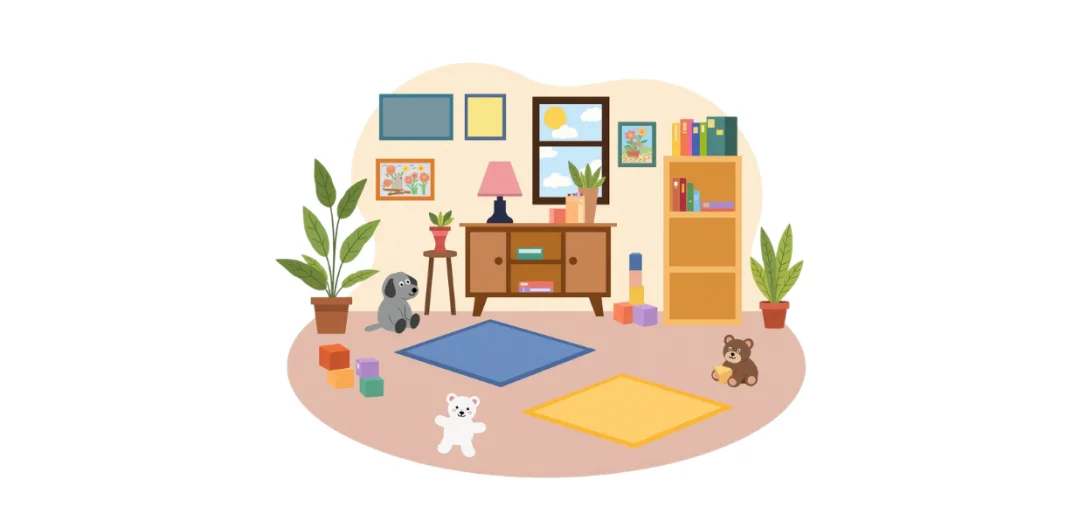
房间干干净净的。
The room is nice and clean.
2. Compare the Difference
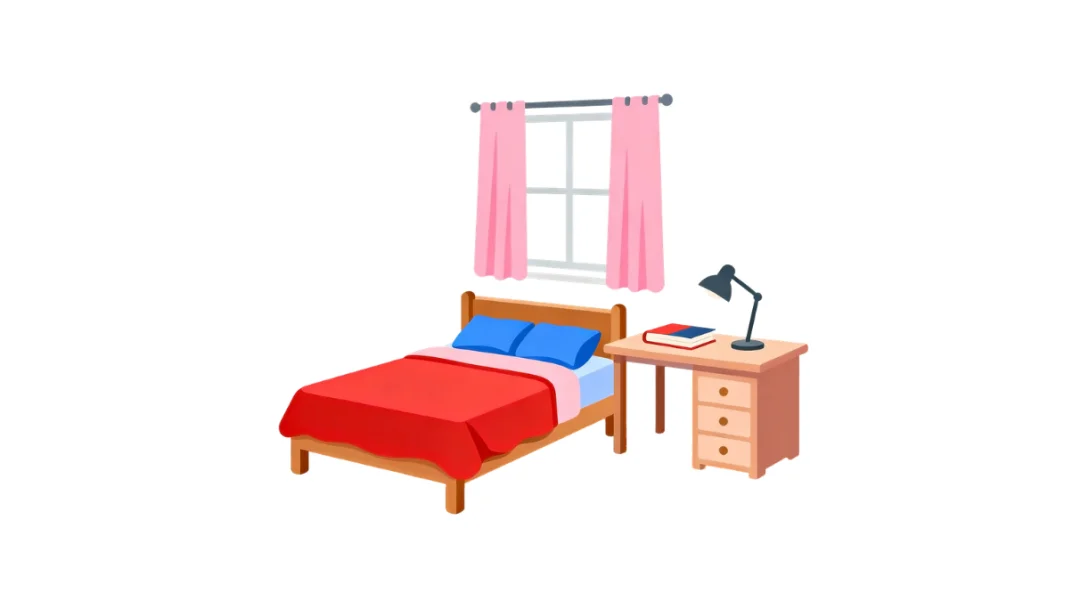
房间很干净。
The room is clean.
房间干干净净的。
The room is nice and clean.
The second sentence sounds more vivid and natural. It feels like the speaker can really see the clean and tidy room. ✨
3. More Examples
她今天高高兴兴的。
She is very happy today.
孩子们安安静静的。
The children are very quiet.
桌子上整整齐齐的。
Everything on the table is neat and orderly.
这个地方舒舒服服的。
This place feels very comfortable.
他说得清清楚楚的。
He speaks very clearly.
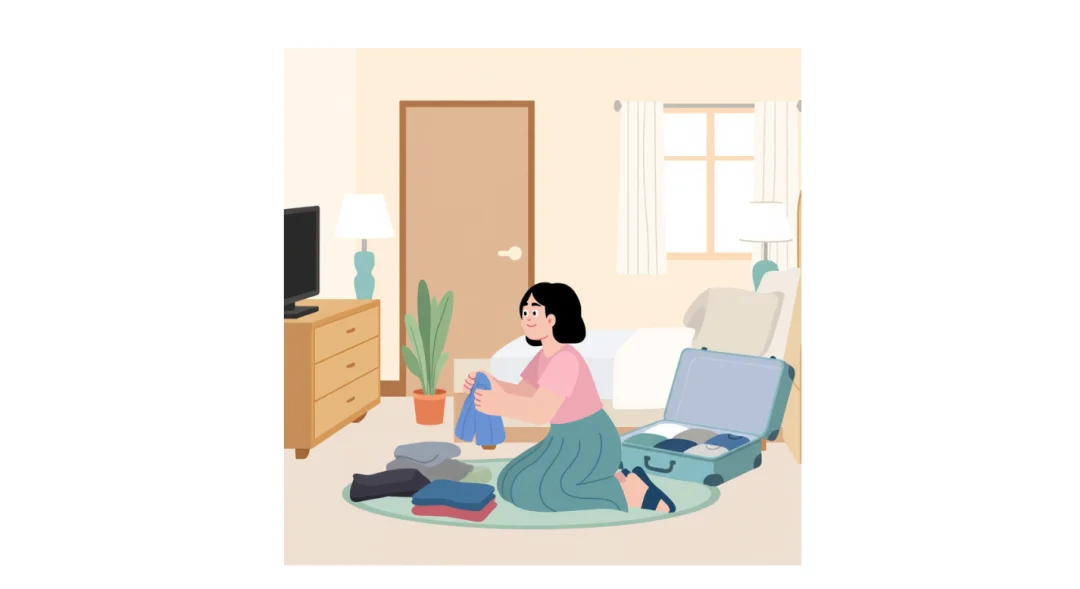
她把房间收拾得干干净净的。
She cleaned the room very nicely.
4. Common Mistake
AABB already gives a strong descriptive feeling, so we usually do not add 很 before it.
❌ 她很高高兴兴的。
Tā hěn gāogāoxìngxìng de.
Better:
✅ 她高高兴兴的。
She is very happy.
Or:
✅ 她很高兴。
She is very happy.

5. Quick Summary
In Chinese, some two-syllable adjectives can become AABB to make the sentence sound more vivid and natural.
Useful structure:
Subject + AABB + 的
Examples:
干净 → 干干净净的
nice and clean
高兴 → 高高兴兴的
very happy
安静 → 安安静静的
very quiet
AABB makes your Chinese sound more expressive, natural, and alive.