
Chinese learners often confuse 把 (bǎ) and 被 (bèi) because both structures can describe the same event.
Look at these three sentences:
我关了门。
I closed the door.
我把门关上了。
I closed the door.
门被我关上了。
The door was closed by me.
The action is almost the same, but the focus is different:
-
把
focuses on what someone does to an object.
-
被
focuses on what happens to a person or thing.
Let’s make the difference clear. 😊
1. What Does 把 (bǎ) Do?
A common basic word order in Mandarin is:
Subject + Verb + Object
我写完了作业。
I finished the homework.
The 把 construction places the affected object before the main verb:
Subject + 把 + Object + Verb + Complement / Other Information
我把作业写完了。
I finished the homework.
The sentence focuses on what happened to 作业:
The homework is now finished.
2. When Should You Use 把?
Use 把 when you want to explain how an action affects an object.
The action may:
-
produce a result;
-
change the object’s condition;
-
move the object somewhere;
-
transfer the object to another person.
The object after 把 is usually specific, identifiable or clear from the context.
A. 把 with a result
我把那本书看完了。
I finished reading that book.
她把名字写错了。
She wrote the name incorrectly.
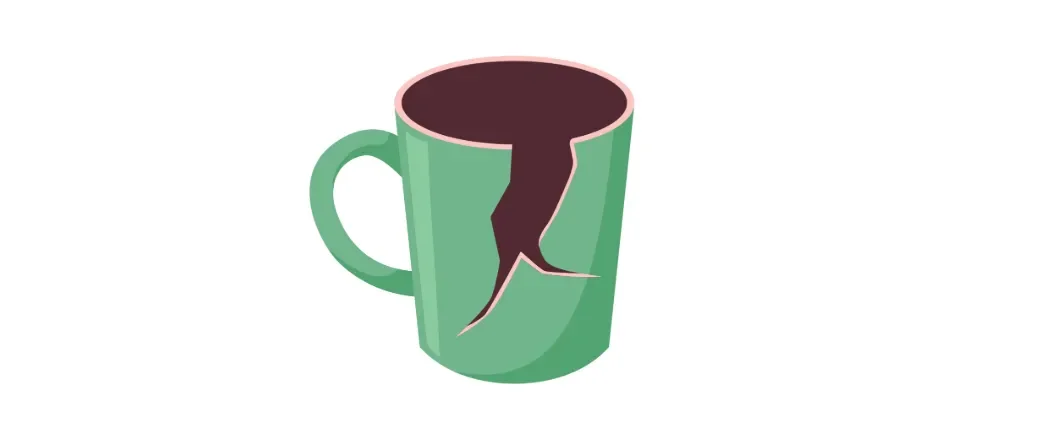
他把杯子打破了。
He broke the cup.
Common result expressions include 写完、做好、写错、说清楚、打开、关上 and 打破.
B. 把 with a location
请把杯子放在桌子上。
Please put the cup on the table.
她把手机放进包里了。
She put the phone into her bag.
These sentences tell us where the object ends up.
C. 把 with a directional complement
他把箱子搬进来了。
He brought the box inside.
请把这些书带回去。
Please take these books back.
Directional complements such as 进来、出去、回来 and 回去 show the direction of movement.
D. 把 with 给
When something is sent, given or transferred to another person, you can use:
Subject + 把 + Thing + Verb + 给 + Recipient
我把照片发给老师了。
I sent the photo to the teacher.
她把礼物送给朋友了。
She gave the present to her friend.
3. Does 把 Always Describe an Intentional Action?
No.
A 把 sentence often describes an action someone controls, but it can also describe an accident.
他不小心把咖啡洒在书上了。
He accidentally spilled coffee on the book.
我忘了把门关上。
I forgot to close the door.
The main point is not whether the action was intentional. The main point is what happened to the object.
4. What Usually Comes After the Verb?
In an ordinary descriptive sentence, the verb in a 把 construction is usually followed by information showing the result, direction, location, quantity or effect of the action.
❌ 我把书看。
This sounds unfinished because it does not explain what happened to the book.
A more natural sentence is:
✅ 我把书看完了。
I finished reading the book.
The verb can also be followed by a quantity:
我把这篇文章看了两遍。
I read this article twice.
However, short commands can be exceptions:
把门关了!bǎ mén guān le!
Close the door!
请把门关上。
Please close the door.
Both are natural.
5. Negatives and Questions with 把
In clear, standard learner Chinese, negative words normally appear before 把.
我还没把作业写完。
I haven’t finished the homework yet.
别把窗户打开。
Don’t open the window.
Questions follow the usual Mandarin question patterns:
你把钥匙放在哪儿了?
Where did you put the key?
你把邮件发给老师了吗?
Did you send the email to the teacher?
6. What Does 被 (bèi) Do?
The 被 structure forms a passive sentence.
It places the affected person or thing at the beginning.
Affected Person or Thing + 被 + Doer + Verb + Complement / Other Information
我的手机被弟弟拿走了。
My phone was taken away by my younger brother.
The sentence focuses on 我的手机 and what happened to it.
7. The Doer Can Be Included or Omitted
With the doer
窗户被风吹开了。
The window was blown open by the wind.
蛋糕被孩子们吃完了。
The children ate all the cake.
Without the doer
我的钱包被偷了。
My wallet was stolen.
门被打开了。
The door was opened.
The doer can be omitted when it is unknown, unimportant or already obvious from the context.
8. Does 被 Always Describe Something Negative?
No.
Traditionally, 被 was often used for unpleasant or unwanted situations, and this tendency can still be felt in modern Mandarin.
他被老板批评了。
He was criticized by his boss.
我的电脑被弄坏了。
My computer was damaged.
However, 被 can also describe neutral or positive situations:
她被一家大公司录用了。
She was hired by a large company.
这个方案被大家接受了。
The proposal was accepted by everyone.
So, 被 does not automatically mean that something bad happened.
9. What Can Follow the Verb in a 被 Sentence?
A 被 sentence often includes a result complement, directional complement or aspect marker.
他的名字被写错了。
His name was written incorrectly.
那本书被一个学生借走了。
A student borrowed the book and took it away.
窗户被风吹开了。
The window was blown open by the wind.
However, simple verbs are also possible when the context is clear:
他被打了。
He was hit.
我被骂了。
I was scolded.
Therefore, it is not correct to say that a 被 sentence must always have a long or complicated verb phrase.
10. Negatives and Questions with 被
Negative words and modal verbs normally appear before 被.
这个问题还没有被解决。
This problem has not been solved yet.
我的包没有被拿走。
My bag was not taken away.
我不想被误会。
I don’t want to be misunderstood.
Questions can be formed in the usual way:
你的包被谁拿走了?
Who took your bag?
这个问题被解决了吗?
Has this problem been solved?
11. Can 被 Be Used with 着?
Yes, but only in certain situations.
被+着 can be used when 着 describes a continuing state caused by an action.
门一直被锁着。
The door has remained locked.
他的手被绳子绑着。
His hands are tied with a rope.
This structure is possible, but basic 被 sentences with 了 or a result complement are more common and easier for beginners.
12. 把 vs 被: Compare the Focus
Look at the same event from two different perspectives:
老师把我的名字写错了。
The teacher wrote my name incorrectly.
我的名字被老师写错了。
My name was written incorrectly by the teacher.
The first sentence begins with the doer:
What did the teacher do?
The second sentence begins with the affected object:
What happened to my name?
That is the central difference between 把 and 被.
13. Common Mistakes
Mistake 1: Ending an ordinary 把 sentence too early
❌ 我把那本书看。
✅ 我把那本书看完了。
I finished reading that book.
Mistake 2: Putting the negative word in the wrong position
For beginner-level Chinese, place the negative word before 把 or 被.
❌ 我把作业没写完。
✅ 我没把作业写完。
I didn’t finish the homework.
❌ 手机被没有拿走。
✅ 手机没有被拿走。
The phone was not taken away.
Mistake 3: Translating every English passive sentence with 被
English uses passive sentences more frequently than Chinese. A natural Chinese sentence does not always need 被.
English:
The meeting will be held tomorrow.
Natural Chinese:
会议明天举行。
The meeting will be held tomorrow.
Unnatural:
❌ 会议明天被举行。
Do not use 被 simply because the English sentence is passive.
Quick Practice ✍️
Choose 把 or 被.
-
我___作业写完了。
-
我的自行车___别人骑走了。
-
请___灯关上。
Answers
-
我把作业写完了。
-
我的自行车被别人骑走了。
-
请把灯关上。
Quick Summary
把
Subject + 把 + Object + Verb + Complement / Other Information
It emphasizes how an action affects an object.
我把门关上了。
I closed the door.
被
Affected Person or Thing + 被 + Doer + Verb + Complement / Other Information
It emphasizes what happens to the affected person or thing.
门被我关上了。
The door was closed by me.
Remember:
-
把
: What did someone do to it?
-
被
: What happened to it?
Once you understand the focus of the sentence, choosing between 把 and 被 becomes much easier. 😊