

Chinese learners often mix up 不必, 未必, and 何必 because all three contain 必, which means “must” or “necessary.”
But in real Chinese, they are used in very different ways.
The key difference is simple:
不必 = need not / do not have to
未必 = not necessarily / may not
何必 = why bother? / there is no need to do that
Let’s look at them clearly. ✨
1. 不必 búbì — “need not / do not have to”
不必 means something is not necessary. It is similar to 不用, but usually sounds a little more formal or stronger.
It is often used before a verb.
Structure:
不必 + verb / verb phrase
Examples:
你不必担心。
You don’t need to worry.
这件事你不必告诉他。
You don’t have to tell him about this matter.
明天不必来得太早。
You don’t need to come too early tomorrow.
不必 is often used when the speaker wants to reduce pressure or tell someone that something is unnecessary.
For example:
你已经做得很好了,不必再解释。
You have already done well. There is no need to explain further.

2. 未必 wèibì — “not necessarily / may not”
未必 does not mean “need not.” This is a very common mistake.
未必 is about possibility or certainty. It means the speaker thinks something is not certain, not always true, or may not be the case.
It is close to 不一定, but 未必 sounds more written, calm, and indirect.
Structure:
未必 + verb / adjective / sentence
Examples:
他未必知道这件事。
He may not know about this matter.
贵的东西未必好。
Expensive things are not necessarily good.
努力未必马上成功,但不努力一定不会成功。
Hard work may not bring success immediately, but without hard work, success definitely will not come.
他的话未必是真的。
What he said may not be true.
The feeling of 未必 is not direct denial. It does not mean “definitely not.” It means “we cannot be sure.”
Compare:
他不知道。
Tā bù zhīdào.
He doesn’t know.
This is a direct statement.
他未必知道。
Tā wèibì zhīdào.
He may not know. / He does not necessarily know.
This is more indirect and uncertain.
3. 何必 hébì — “why bother? / there is no need”
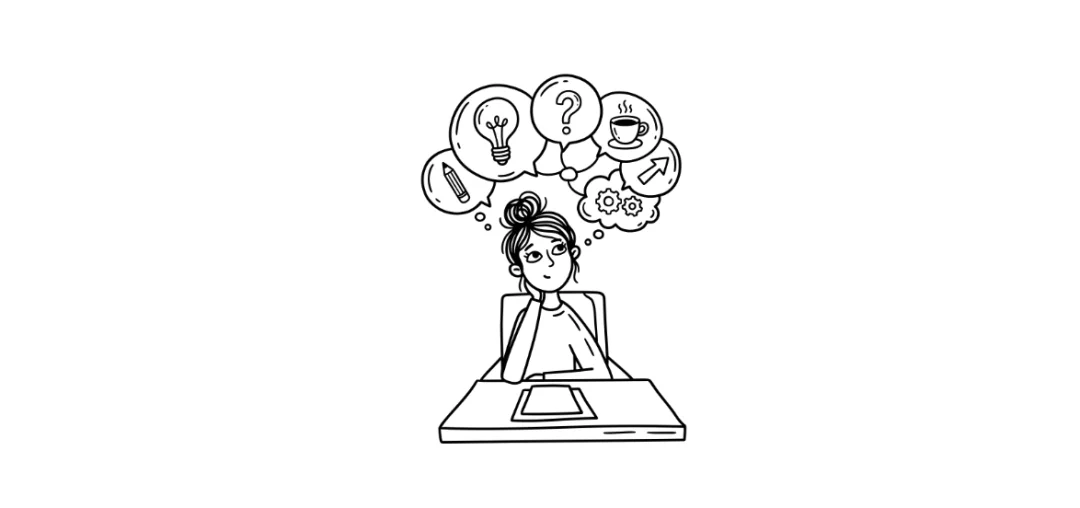
何必 is used in a rhetorical way. It means:
“Why is it necessary to do this?”
But the real meaning is usually:
“There is no need to do this.”
It often carries emotion, such as persuasion, criticism, impatience, or comfort.
Structure:
何必 + verb / verb phrase + 呢
Examples:
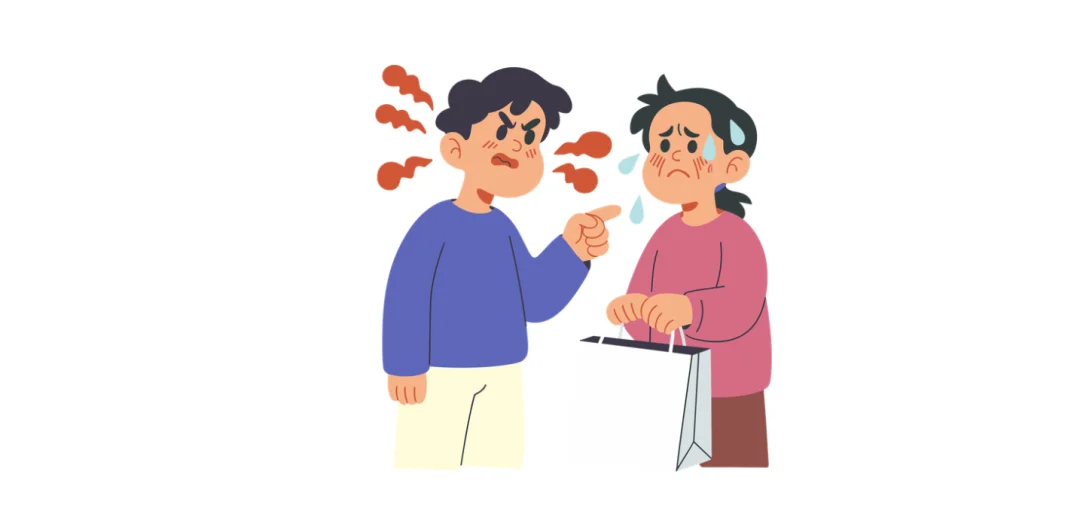
你何必生气呢?
Why bother getting angry? / There is no need to be angry.
事情已经过去了,何必再提呢?
The matter has already passed. Why bring it up again?
只是一个小问题,何必这么紧张?
It is only a small problem. Why be so nervous?
你已经尽力了,何必责怪自己?
You have already tried your best. There is no need to blame yourself.
何必 is stronger and more emotional than 不必.
It does not simply say “you don’t have to.” It often suggests that the action is unnecessary, unreasonable, or not worth doing.

Quick Difference
不必 focuses on necessity.
It means: “You don’t need to do it.”
未必 focuses on certainty.
It means: “It may not be true.”
何必 focuses on attitude.
It means: “Why bother doing it?”
For example:
你不必去。
You don’t need to go.
他未必会去。
He may not go. / He will not necessarily go.
你何必去呢?
Why bother going?
These three sentences look similar, but the meanings are very different.
Common Mistakes
A common mistake is using 未必 when you want to say “don’t need to.”
Wrong:
你未必担心。
This sounds unnatural if you mean “You don’t need to worry.”
Better:
你不必担心。
You don’t need to worry.
Or:
你不用担心。
You don’t need to worry.
Another common mistake is translating 何必 too literally as “why must.”
Actually, 何必 usually means “there is no need” or “why bother.”
你何必解释这么多?
Why bother explaining so much? / There is no need to explain so much.
Final Summary
If you want to say someone does not need to do something, use 不必.
If you want to say something is not necessarily true, use 未必.
If you want to say “why bother?” or suggest that something is unnecessary, use 何必.
A simple way to remember:
不必 = no need
未必 = not necessarily
何必 = why bother?
Once you understand the feeling behind each word, these three words become much easier to use naturally in Chinese. 🌿