

Many Chinese learners translate both 差点儿 and 几乎 as “almost” or “nearly.”
This is basically correct, but in real Chinese, they are not always used in the same way.
The key difference is:
差点儿 usually focuses on something that was very close to happening, but in the end did not happen.
几乎 describes something that is very close to a certain degree, state, quantity, or result. It is often more objective and can be used in wider situations.
Let’s look at them clearly. 🌿
1. Part of Speech
差点儿 chàdiǎnr
差点儿 is usually used as an adverbial expression.
It means:
“almost”
“nearly”
“came close to”
It often appears before a verb or verb phrase.
Structure:
Subject + 差点儿 + Verb / Verb Phrase
For example:
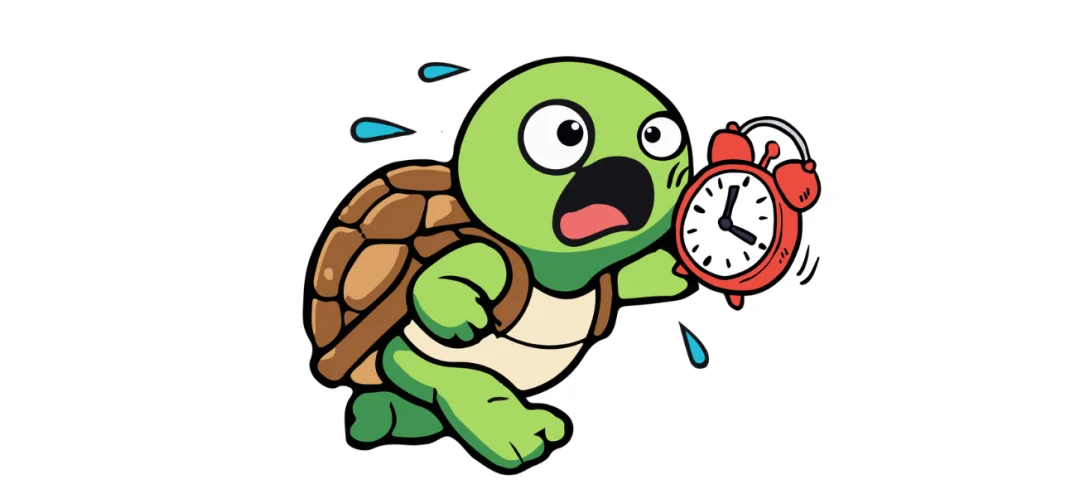
我差点儿迟到。
I was almost late.
This means: I was very close to being late, but probably I was not late in the end.
几乎 jīhū
几乎 is an adverb.
It also means:
“almost”
“nearly”
“practically”
But it is more flexible than 差点儿. It can be used before verbs, adjectives, numbers, negative forms, and expressions like “everyone / everything.”
For example:
这个问题几乎没有人会回答。
Almost no one can answer this question.
Here, 几乎 does not describe a sudden near-miss. It describes the degree: the number of people is very close to zero.

2. 差点儿: “Almost Happened, But Didn’t”
The most important feeling of 差点儿 is:
Something was very close to happening, but it did not happen in the end.
It is often used for accidents, mistakes, danger, or unexpected situations.
Example 1
我差点儿摔倒。
I almost fell down.
Meaning: I nearly fell, but I did not fall.
Example 2
他差点儿忘了考试。
He almost forgot the exam.
Meaning: He was very close to forgetting it, but he probably remembered in time.
Example 3
我差点儿把手机丢了。
I almost lost my phone.
Meaning: I nearly lost it, but I did not lose it.
So, 差点儿 often has a feeling of “That was close!” 😅
3. 几乎: “Very Close to a Degree or State”
几乎 is not only used for actions. It is often used to describe a degree, amount, state, or general situation.
It is more neutral and more formal than 差点儿.
Example 1
他几乎每天都学习中文。
He studies Chinese almost every day.
Here, 几乎 describes frequency.
Example 2
教室里几乎坐满了学生。
The classroom was almost full of students.
Here, 几乎 describes degree.
Example 3
我几乎听不懂他说的话。
I could hardly understand what he said.
Here, 几乎不 / 几乎没有 means “almost not” or “hardly.”
4. The Biggest Difference
Use 差点儿 when something nearly happened
Especially when talking about one specific event.
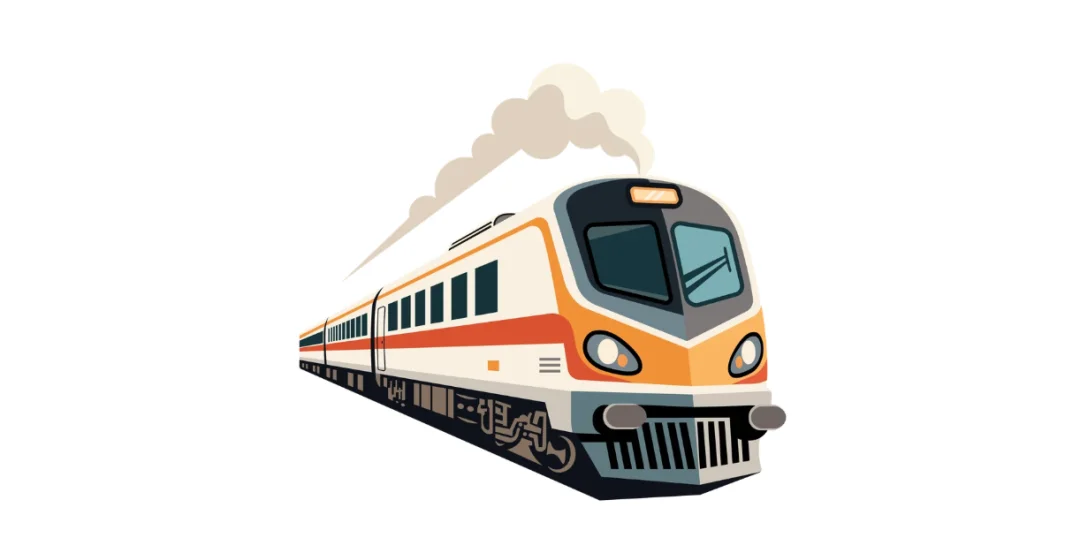
我差点儿错过火车。
I almost missed the train.
This sounds like a real moment: maybe I ran to the station and got there just in time.
Use 几乎 when describing degree, quantity, frequency, or a general situation
我几乎每天都坐火车。
I take the train almost every day.
This is not a “dangerous” or “near-miss” situation. It simply describes frequency.
5. 差点儿 and 几乎 Can Sometimes Both Be Used
Sometimes both words can be used, but the feeling is different.
Example
我差点儿哭了。
I almost cried.
This sounds more emotional and moment-based. Maybe something happened, and I was very close to crying.
我几乎哭了。
I almost cried.
This is also correct, but it sounds a little more neutral or descriptive. It focuses on the degree of emotion.
In daily spoken Chinese, 差点儿哭了 is usually more natural.
6. Be Careful: 差点儿 + 没
This is one of the most confusing points for Chinese learners.
差点儿没 + Verb often means “almost failed to do something”
For example:
我差点儿没赶上火车。
I almost didn’t catch the train.
Meaning: I caught the train, but it was very close.
Another example:
他差点儿没通过考试。
He almost didn’t pass the exam.
Meaning: He passed, but just barely.
So in many practical situations:
差点儿没 + Verb = almost did not do it, but finally did it.
However, 差点儿没 can be tricky in colloquial Chinese. Sometimes people use it for emphasis, especially with bad results.
For example:
这件事差点儿没把我气死。
This thing almost made me furious to death.
Here, 没 does not simply mean “did not.” The whole phrase is an emphatic way to say “almost.”
For learners, the safest rule is:
When you see 差点儿没, do not translate word by word. Look at the whole sentence and the result.
7. 几乎 + 不 / 没有 = “Hardly / Almost Not”
几乎 is very commonly used with negative words.
几乎不
他几乎不喝咖啡。
He hardly drinks coffee.
几乎没有
这里几乎没有人。
There is almost no one here.
几乎没
我昨天几乎没睡。
I hardly slept yesterday.
This use is very common and very useful.
8. Common Mistakes
Mistake 1: Using 差点儿 for general frequency
Incorrect:
我差点儿每天学习中文。
Wǒ chàdiǎnr měitiān xuéxí Zhōngwén.
This sounds unnatural because “every day” is about frequency, not a near-miss event.
Correct:
我几乎每天学习中文。
I study Chinese almost every day.
Mistake 2: Using 几乎 when 差点儿 sounds more natural
Possible, but less natural:
我几乎摔倒了。
I almost fell down.
More natural in daily speech:
我差点儿摔倒了。
I almost fell down.
For sudden accidents or dangerous moments, 差点儿 is usually better.
Mistake 3: Translating 差点儿没 word by word
我差点儿没迟到。
Wǒ chàdiǎnr méi chídào.
This sentence can be confusing and is not the best sentence for learners to imitate.
If you want to say “I was almost late,” say:
我差点儿迟到。
I was almost late.
If you want to say “I almost didn’t catch the train,” say:
我差点儿没赶上火车。
I almost didn’t catch the train.
9. More Natural Examples
差点儿
我差点儿忘了你的生日。
I almost forgot your birthday.
她差点儿说错了名字。
She almost said the wrong name.
我们差点儿迷路。
We almost got lost.
孩子差点儿把杯子打碎。
The child almost broke the cup.
几乎
这个汉字几乎所有学生都会写。
Almost all students can write this Chinese character.
我几乎没有时间休息。
I almost have no time to rest.
他几乎完全听懂了。
He understood almost everything.
这两个词的意思几乎一样。
The meanings of these two words are almost the same.
10. Simple Summary
Use 差点儿 when you want to say:
“Something almost happened, but it didn’t.”
It is often used for one specific event, especially accidents, mistakes, or sudden situations.
我差点儿迟到。
I was almost late.
Use 几乎 when you want to describe:
almost all
almost no
almost every day
almost the same
almost completely
hardly
我几乎每天都学习中文。
I study Chinese almost every day.
So remember:
差点儿 = “That almost happened!”
几乎 = “It is very close to that degree or state.”
Once you understand this difference, your Chinese will sound much more natural. 🌱