
You want to say “toward” in Chinese.
Then you meet three words:
朝 (cháo)
向 (xiàng)
往 (wǎng)
They can all describe direction, and sometimes more than one of them is possible in the same sentence.
But they are not completely interchangeable.
A useful first impression is:
🎯 朝 = an action is directed toward something
🧭 向 = direction or the target of an action
🚶 往 = movement or development in a direction
朝 focuses on the direction an action faces, 向 can introduce either a direction or a target, and 往 marks the direction in which an action proceeds. Let’s look more closely.
1️⃣ 朝 (cháo): Direct an Action Toward Something
朝 is commonly used when an action is physically directed toward a person, place, object, or direction.
Basic Pattern
Subject + 朝 + Direction / Target + Verb
For example:
他朝我笑了笑。
He smiled at me.
Here, the action 笑 (xiào) is directed toward 我 (wǒ).
她朝窗外看了一眼。
She glanced out of the window.
The action of looking is directed toward the outside of the window.
孩子朝妈妈跑过去。
The child ran toward his mother.
In all these examples, you can clearly imagine the direction of the action.
That is the key feeling of 朝.
More examples
他朝我挥了挥手。
He waved at me.
大家一起朝门口看。
Everyone looked toward the door.
她朝前面走了几步。
She took a few steps forward.
💡 Learning Tip
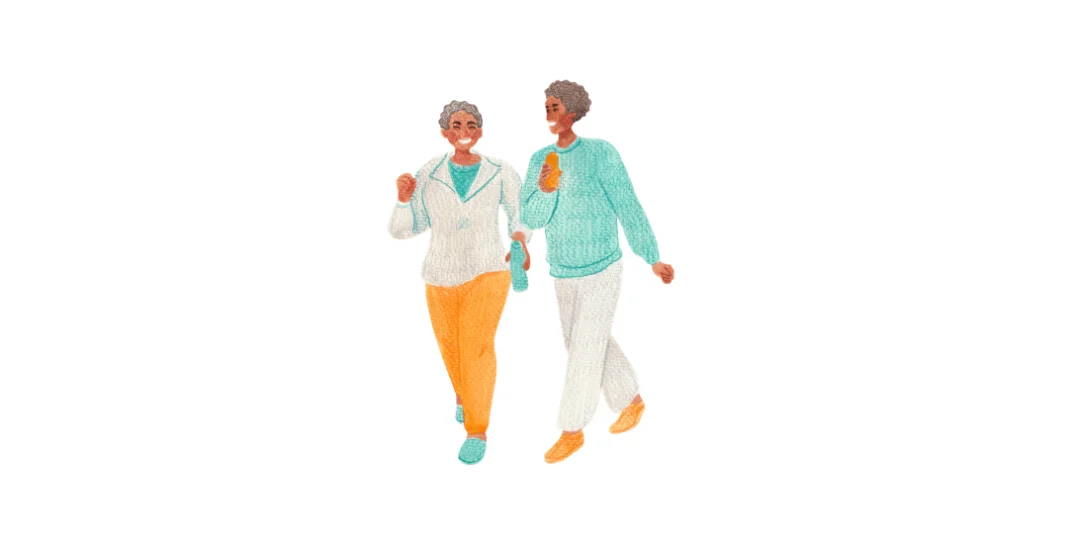
Think of 朝 when you can imagine an action being aimed or directed toward a visible target:
look toward
smile at
wave at
run toward
turn toward
2️⃣ 向 (xiàng): The Most Flexible Choice
Among these three words, 向 has the broadest range of uses.
It can introduce:
a physical direction
the person or group targeted by an action
an abstract goal or orientation
A. Physical Direction
请向右转。
Please turn right.
飞机正在向北飞。
The plane is flying north.
In these sentences, 向 introduces a physical direction.
B. The Target of an Action
This is one of the most important uses of 向.
他已经向我道歉了。
He has already apologized to me.
我想向老师请教一个问题。
I would like to ask the teacher a question.
我们应该向别人学习。
We should learn from others.
Notice that the person after 向 is not a physical destination.
They are the target, recipient, or source involved in the action.
This is why we say:
✅ 向朋友道歉
apologize to a friend
✅ 向老师请教
ask a teacher for advice
✅ 向别人学习
learn from others
But not:
❌ 往朋友道歉
❌ 往老师请教
❌ 往别人学习
往 expresses direction, not this kind of interpersonal target relationship.
C. Abstract Direction or Goals
向 also works naturally with abstract ideas.
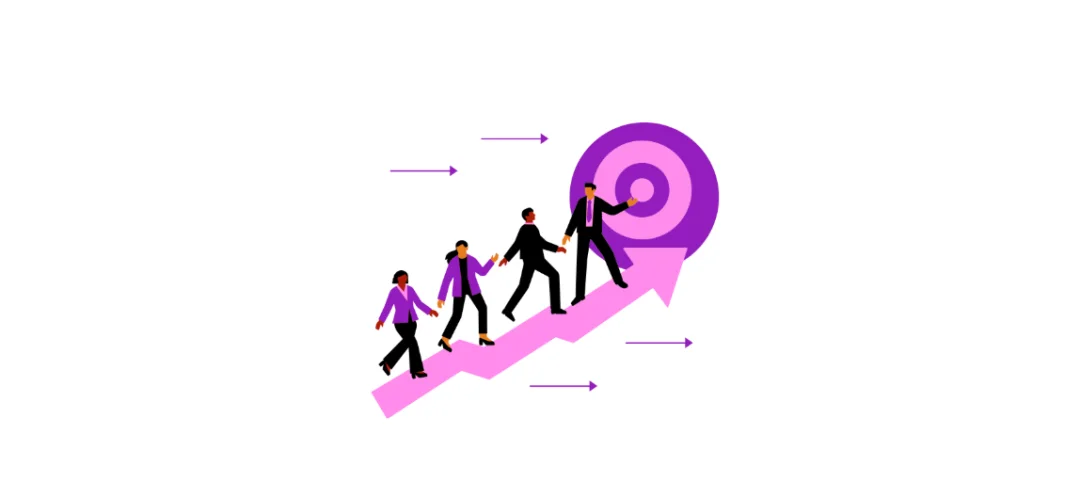
我们正在向目标前进。
We are moving toward our goal.
事情正在向好的方向发展。
Things are developing in a positive direction.
💡 This is why 向 is often the most flexible choice: it can describe both physical and abstract orientation.
3️⃣ 往 (wǎng): Movement Toward a Direction or Destination
往 emphasizes the direction in which a movement or action proceeds.
Basic Pattern
Subject + 往 + Direction / Place + Verb
This use marks the direction of an action, as in 往东走 and 往前看.
一直往前走。
Keep going straight ahead.
Example 2
我们往车站走吧。
Let’s walk toward the station.
Example 3
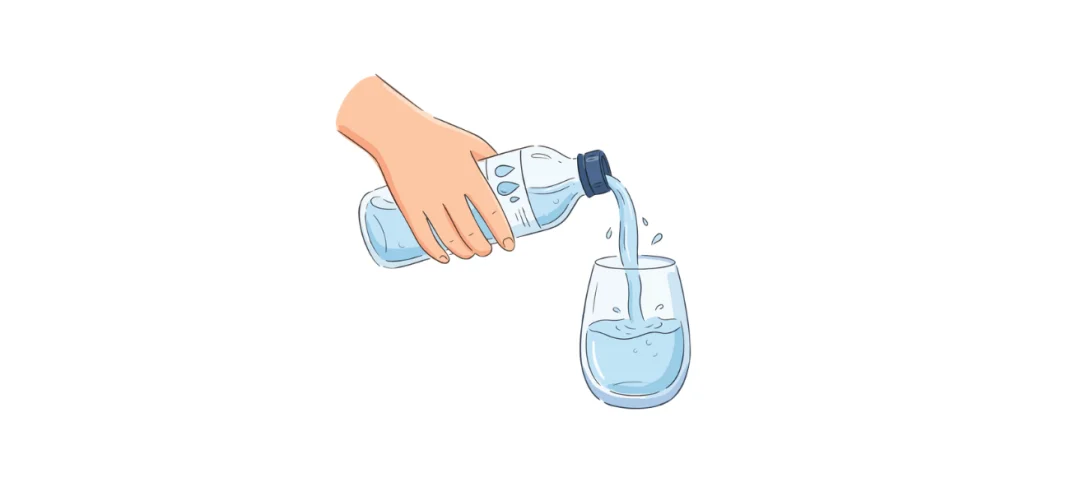
把水往杯子里倒。
Pour the water into the cup.
In these examples, 往 clearly shows the direction or destination of movement.
💡 Think of:
Where is the person going?
Where is the object moving?
In which direction is the action developing?
If these questions are important, 往 is often a natural choice.
🤔 Is 往 Only Used for Travel?
No.
This is a common misunderstanding.
Although 往 is very common with movement and destinations, it can also describe the direction of thought or development.
For example:
别总往坏处想。
Don’t always assume the worst.
Literally, the idea is:
“Don’t always think in a negative direction.”
Another common expression is:
凡事要往好处想。
Try to look on the bright side of things.
So, 往 is not limited to travel. Its core meaning is directional progression.

🚆 A Useful Pattern: Verb + 往 + Destination
往 can also appear after certain verbs, especially when talking about movement, transportation, routes, or destinations.
开往
这是一列开往上海的火车。
This is a train bound for Shanghai.
飞往
他明天飞往北京。
He is flying to Beijing tomorrow.
通往
这条小路通往山顶。
This path leads to the top of the mountain.
A useful grammatical difference is that 向 and 往 can occur after certain verbs in some directional constructions, while 朝 generally does not have the same post-verbal function.
Compare Them in Similar Sentences
Now let’s compare the three words directly.
Example 1: Moving Forward
他朝前走。
He walks forward.
Focus: the action is oriented forward.
他向前走。
He walks forward.
Focus: neutral direction.
他往前走。
He walks forward.
Focus: movement proceeding forward.
All three can work here, but the focus is slightly different.
In everyday directions such as:
“Go straight.”
“Keep walking forward.”
往前走 is especially natural.

🔍 朝 vs 向 with a Person
Sometimes both 朝 and 向 can be used with a person.
For example:
他朝我笑了笑。
He smiled at me.
他向我笑了笑。
He smiled at me.
Both are possible.
Here, 笑 is a visible action directed toward a person.
However, with many abstract or interpersonal actions, 向 is the correct choice:
✅ 他向我道歉了。
He apologized to me.
✅ 她向老师请教问题。
She asked the teacher for advice.
✅ 我们应该向他学习。
We should learn from him.
For learners, a useful rule is:
visible action directed toward someone → 朝 or 向 may both be possible
abstract interpersonal relationship → usually use 向
Common Mistakes
Mistake 1
❌ 我往老师学习。
✅ 我向老师学习。
I learn from my teacher.
The teacher is not a destination. Use 向.
Mistake 2
❌ 他往我道歉了。
✅ 他向我道歉了。
He apologized to me.
Again, 我 is the target of the action, not the destination of movement.
Mistake 3
⚠️ 我们往目标看了一眼。
✅ 我们朝目标看了一眼。
We took a look at the target.
For a visible action directed toward a target, 朝 is a natural choice here. 往 can also work with looking in a direction, as in 往前看; the earlier sentence is not universally ungrammatical.
🧠 The Easiest Way to Remember
🎯 朝 = Aim an Action Toward
他朝我挥手。
He waved at me.
Think: Where is the action aimed?
🧭 向 = Direction or Target
她向老师请教。
She asked the teacher for advice.
Think: In which direction—or toward whom—is the action oriented?
🚶 往 = Move or Proceed Toward
我们往前走吧。
Let’s keep moving forward.
Think: Where is the movement going?

✅ Final Takeaway
The three words overlap, but their central meanings are different.
朝 (cháo)
→ focuses on the direction toward which an action is aimed or oriented.
向 (xiàng)
→ has the widest range of uses and can introduce a physical direction, the target of an action, or an abstract goal.
往 (wǎng)
→ emphasizes movement, progression, route, or destination.
Remember:
🎯 朝 → aim toward
🧭 向 → direct toward
🚶 往 → move toward
Next time you need to say “toward” in Chinese, ask yourself:
Am I directing an action, identifying a target, or describing movement in a direction?
That question will usually help you choose the right word. 😊