

When we explain why something happens in Chinese, we often use cause-and-effect structures.
In English, we say:
because… so…
since… therefore…
as a result…
In Chinese, the most common words are:
因为 yīnwèi — because
所以 suǒyǐ — so / therefore
由于 yóuyú — due to / because of
因此 yīncǐ — therefore / as a result
以至于 yǐzhìyú — so much so that / to the point that
既然 jìrán — since / now that
Let’s learn them step by step. 🌱
1. 因为……所以……
因为……所以…… is the most basic and common cause-and-effect pattern.
Pattern:
因为 + cause,所以 + result。
It means:
Because… so…
In English, we usually do not say “because… so…” together in formal writing, but in Chinese this structure is very natural.
Example 1
因为天气不好,所以大家取消了外出的计划。
Because the weather was bad, everyone canceled the plan to go out.
Example 2
因为我今天很忙,所以不能去看电影。
Because I am very busy today, I can’t go to the movies.
Example 3
因为他每天练习中文,所以他的口语进步很快。
Because he practices Chinese every day, his speaking improves quickly.

✅ Important note:
In daily Chinese, you can sometimes use only 因为 or only 所以, but using both is very clear for learners.
2. 因为……而……
因为……而…… is also used to show cause and effect, but it sounds a little more formal or written.
Pattern:
因为 + cause,而 + result。
It means:
Because of… / as a result of…
Example 1
他因为路上堵车而迟到了。
He was late because of the traffic jam.
Example 2
她因为工作太忙而错过了朋友的生日会。
She missed her friend’s birthday party because she was too busy with work.
Example 3
很多学生因为喜欢中国文化而开始学习中文。
Many students started learning Chinese because they like Chinese culture.
✅ Tip:
因为……而…… is often used in written language, articles, reports, or more formal speech.
3. 因为……的关系,……
因为……的关系 means because of / due to.
It is often used before the result.
Pattern:
因为 + noun phrase + 的关系,+ result。
Example 1
因为时间的关系,我们今天就学到这儿了。
Because of time, we’ll stop here today.
Example 2
因为天气的关系,活动改到明天。
Because of the weather, the activity has been moved to tomorrow.
Example 3
因为工作的关系,他经常出差。
Because of his work, he often goes on business trips.

✅ Note:
This pattern is common in spoken Chinese, but it sounds a little indirect and polite.
4. 由于……因此……
由于……因此…… is more formal than 因为……所以…….
It is often used in written Chinese, news, notices, reports, and formal explanations.
Pattern:
由于 + cause,因此 + result。
It means:
Due to… therefore…
Example 1
由于最近备考,因此我常常开夜车。
Because I am preparing for exams recently, I often stay up late studying.
Example 2
由于下大雨,因此比赛被取消了。
Due to heavy rain, the game was canceled.
Example 3
由于报名人数太多,因此我们增加了一节课。
Because too many people signed up, we added one more class.

✅ Tip:
由于 can be used alone, and 因此 can also be used alone.
For example:
由于天气不好,活动取消了。
Due to bad weather, the activity was canceled.
天气不好,因此活动取消了。
The weather was bad; therefore, the activity was canceled.
5. ……以至于 / 以致……
以至于 and 以致 introduce a result, often an unexpected or negative result.
Pattern:
cause,以至于 / 以致 + result。
It means:
so much so that… / to the point that…
Example 1
她太紧张了,以至于说话时忘记了台词。
She was so nervous that she forgot her lines while speaking.
Example 2
他昨天睡得太晚,以至于今天上课一直打瞌睡。
He slept so late yesterday that he kept dozing off in class today.
Example 3
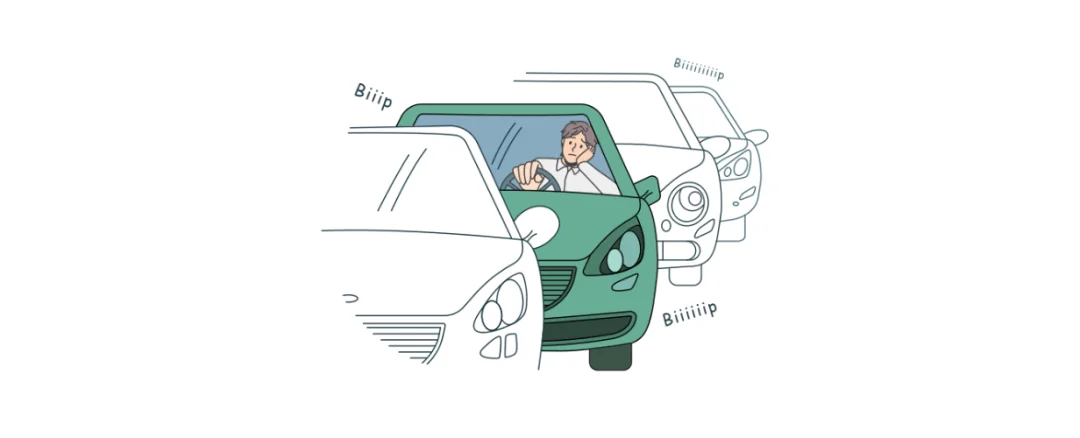
路上太堵了,以致我们错过了火车。
The traffic was so bad that we missed the train.
✅ Important difference:
以至于 is more common in daily learning.
以致 is more formal and often used for negative results.
6. 既然……就……
既然……就…… is used when the first part is already a known fact. The second part gives a suggestion, decision, or natural conclusion.
Pattern:
既然 + known fact,就 + conclusion / suggestion。
It means:
Since / now that… then…
Example 1
既然天已经晚了,你就别走了。
Since it is already late, don’t leave.
Example 2
既然你喜欢中文,就坚持学下去吧。
Since you like Chinese, keep learning it.
Example 3
既然你已经决定了,我就支持你。
Since you have already decided, I will support you.

✅ Tip:
Do not use 既然 for a simple cause. It is used when the speaker treats the first part as a fact or condition that is already accepted.
7. 之所以……是因为……
This pattern is very useful when you want to explain the real reason for something.
Pattern:
之所以 + result,是因为 + reason。
It means:
The reason why… is because…
Notice the order:
First: result
Then: reason
Example 1
她之所以没来上课,是因为孩子病了。
The reason why she didn’t come to class is that her child was sick.
Example 2
我之所以学习中文,是因为我喜欢中国文化。
The reason why I study Chinese is that I like Chinese culture.
Example 3
他之所以进步这么快,是因为他每天都复习。
The reason why he improves so quickly is that he reviews every day.
✅ Common mistake:
Do not say:
❌ 所以他没来,是因为他生病了。
This sentence may be understood, but a more natural structure is:
✅ 他之所以没来,是因为他生病了。
The reason why he didn’t come is that he was sick.

Quick Review 🌟
For everyday Chinese, use:
因为……所以……
Because… so…
For formal writing, use:
由于……因此……
Due to… therefore…
For a known fact and conclusion, use:
既然……就……
Since / now that… then…
For a strong result, often negative, use:
以至于 / 以致
So much so that…
For explaining the real reason, use:
之所以……是因为……
The reason why… is because…
Final Tip
When learning cause-and-effect grammar, do not only memorize the English meaning. Pay attention to the order:
原因 cause → 结果 result
因为天气不好,所以活动取消了。
Because the weather was bad, the activity was canceled.
结果 result → 原因 cause
活动之所以取消,是因为天气不好。
The reason why the activity was canceled is that the weather was bad.
Once you understand the order, these patterns become much easier to use. 😊