When Chinese learners first see 大概 and 大约, they often think:
“They both mean about, so are they the same?” 🤔
The short answer is: they are often similar, but not always interchangeable.
Both words can be used to talk about an approximate number, time, or amount, but 大概 is more flexible in meaning, while 大约 is usually more limited and more formal.
In this article, we will look at:
-
what 大概 and 大约 have in common
-
how they are different
-
when you can use both
-
when you should use only 大概
Let’s make it clear and easy! ✨
1. What do 大概 and 大约 have in common?
Both 大概 and 大约 can mean:
- about
- approximately
- around
They are often used before:
-
numbers
-
time expressions
-
amounts
-
durations
Examples
我们班有大概二十个学生。
There are about 20 students in our class.
我们班有大约二十个学生。
There are about 20 students in our class.
他大概三点到。
He will arrive at about 3 o’clock.
他大约三点到。
He will arrive at about 3 o’clock.
In examples like these, the two words are very close in meaning. ✅
2. The biggest difference: 大概 can also mean “probably”
This is the most important point.
Besides meaning approximately, 大概 can also mean:
- probably
- I guess
- it seems likely
But 大约 cannot be used this way.
Compare:
他大概不来了。
He probably is not coming.
This sentence is natural.
But:
他大约不来了。
This sounds unnatural or wrong in standard Chinese.
Why?
Because here you are not talking about a number or time. You are expressing a guess. In this case, you should use 大概, not 大约.
More examples
明天大概会下雨。
It will probably rain tomorrow.
老师大概已经到了。
The teacher has probably arrived already.
🚨 In sentences like these, 大约 is not appropriate.
3. 大约 is usually only for numbers, time, and amounts
In modern Chinese, 大约 is mainly used when talking about something measurable, such as:
-
time
-
number
-
price
-
distance
-
duration
It usually sounds a little more written, formal, or careful than 大概.
Examples
从我家到学校大约要二十分钟。
It takes about 20 minutes from my home to school.
这本书大约一百页。
This book has about 100 pages.
这件衣服大约三百块。
This piece of clothing costs about 300 yuan.
Of course, in these sentences, 大概 also works:
从我家到学校大概要二十分钟。
It takes about 20 minutes from my home to school.
So the difference here is not grammar correctness, but tone and usage preference.
4. 大概 is more flexible in daily conversation
Compared with 大约, 大概 is often more common in spoken Chinese.
It can be used for:
-
approximate numbers
-
rough time
-
uncertain estimates
-
personal guesses
That is why learners will hear 大概 very often in real conversation.
Examples
我大概晚上八点回家。
I will go home at about 8 p.m.
这个问题我大概明白了。
I more or less / roughly understand this question.
Here, 大概 gives the feeling of a rough estimate or general understanding.
Using 大约 here would sound less natural.

5. Tone difference: 大概 is more conversational, 大约 is a bit more formal
This is a useful usage tip:
-
大概
→ more common in speaking, more flexible
-
大约
→ a little more formal, often used in writing or careful description
Compare:
会议大概十点结束。
The meeting will end at about 10.
会议大约十点结束。
The meeting will end at about 10.
Both are correct.
But the second one feels a little more formal or written.

6. A very useful rule for learners
You can remember it like this:
Use 大约 when you mean:
-
approximately
-
around
-
about a number/time/amount
Use 大概 when you mean:
-
approximately
-
around
-
probably
-
roughly / more or less
So:
-
大概
= broader usage
-
大约
= narrower usage
That means if you are not sure, 大概 is often the safer and more flexible choice in conversation. 👍
7. Common learner mistake
A common mistake is using 大约 to mean probably.
Incorrect:
他大约不会来了。
Better:
他大概不会来了。
He probably will not come.
Remember:
大约 is usually about measurable approximation, not personal guessing.
8. Can they appear in the same kinds of sentence positions?
Very often, yes.
Both can appear before:
-
numbers
-
time words
-
quantity expressions
Examples
我大概学了两个小时。
I studied for about two hours.
我大约学了两个小时。
I studied for about two hours.
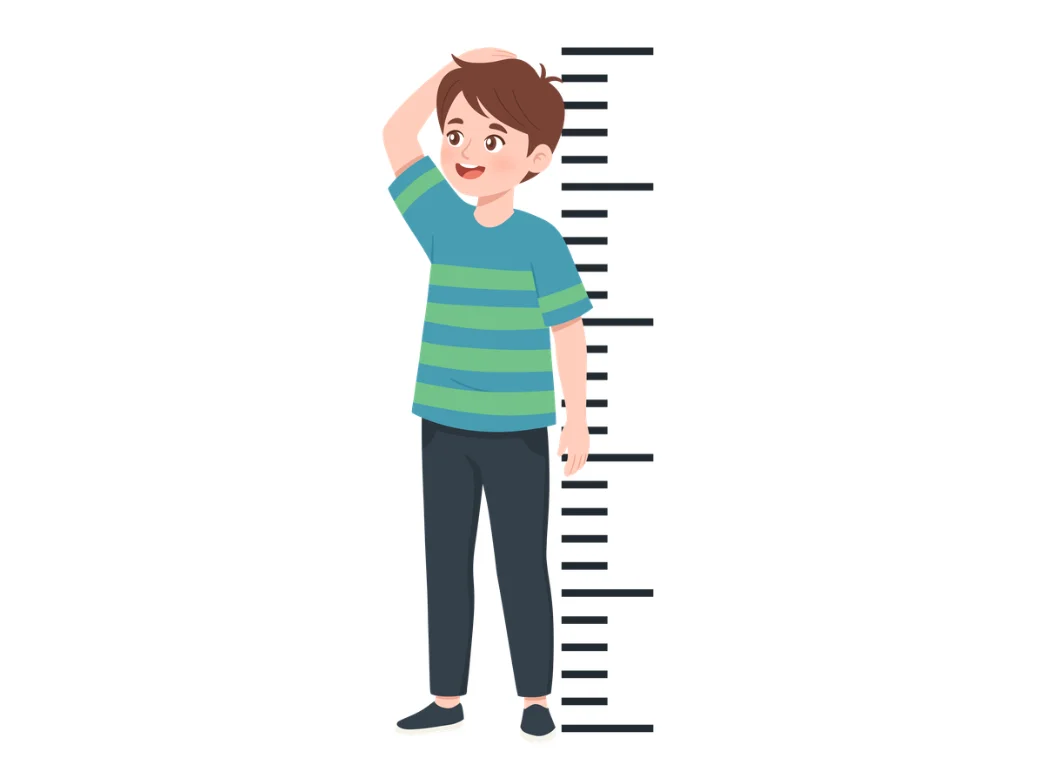
他大概有一米八。
He is about 1.8 meters tall.
他大约有一米八。
He is about 1.8 meters tall.
These are both fine. ✅
9. Extra note: 大概 can also mean “general idea”
This is another reason why 大概 is more flexible.
In some contexts, 大概 can also mean:
-
general idea
-
rough outline
Example
我已经知道这篇文章的大概内容了。
I already know the general idea of this article.
You cannot replace 大概 with 大约 here.
So again, 大概 has a wider range of meanings.

10. Quick comparison summary
Same point
Both 大概 and 大约 can mean about / approximately when talking about time, number, amount, or duration.
Different points
大概:
-
can mean about / approximately
-
can also mean probably
-
can sometimes mean roughly / general idea
-
more common in spoken Chinese
大约:
-
mainly means about / approximately
-
usually used with time, numbers, and measurable amounts
-
sounds a bit more formal or written
-
cannot normally mean probably
11. Easy sentence set for students
Here are some useful model sentences for review:
我们大概下午两点出发。
We will leave at about 2 p.m.
我们大约下午两点出发。
We will leave at about 2 p.m.
这趟车大概半个小时到。
This bus will arrive in about half an hour.
这趟车大约半个小时到。
This bus will arrive in about half an hour.
他大概已经吃过饭了。
He has probably already eaten.
✅ Here, only 大概 works naturally.
12. Final tip
If you are talking about a number or time, both words are often okay.
If you are making a guess, use 大概.
A simple memory trick 🌟
大概 = approximately + probably
大约 = approximately only
Conclusion
Although 大概 and 大约 are close in meaning, they are not exactly the same.
If your sentence is about approximate time, number, or amount, both are usually fine.
But if you want to say probably, only 大概 works naturally.
Mastering this small difference will make your Chinese sound much more natural and accurate. 💡
Mini Practice
Which one is better?
-
他______明天会来。
-
我们班有______三十个人。
-
从这里到机场______要一个小时。
Answers:
- 大概
- 大概 / 大约
- 大概 / 大约