
Have you heard Chinese speakers say these sentences?
-
我今天来不了。
-
这么多工作,你做得了吗?
-
这个箱子太重,我一个人搬不了。
In these expressions, 得了 and 不了 show whether an action is possible under the circumstances.
But be careful:
In this structure, 了 is pronounced liǎo, not le.
Let’s learn how to use it naturally. 👇
1. What Is a Potential Complement?
A potential complement shows whether an action can achieve a particular result or direction.
Positive form
Verb + 得 + Complement
It means that the result or direction is possible.
-
看得懂
— can understand
-
听得见
— can hear
-
吃得完
— can finish eating
-
进得去
— can get in
-
做得了
— can manage to do it
Negative form
Verb + 不 + Complement
It means that the result or direction is not possible.
-
看不懂
— cannot understand
-
听不见
— cannot hear
-
吃不完
— cannot finish eating
-
进不去
— cannot get in
-
做不了
— cannot manage to do it
In this structure, 得 is usually pronounced lightly as de, and 不 is often pronounced lightly as bu.
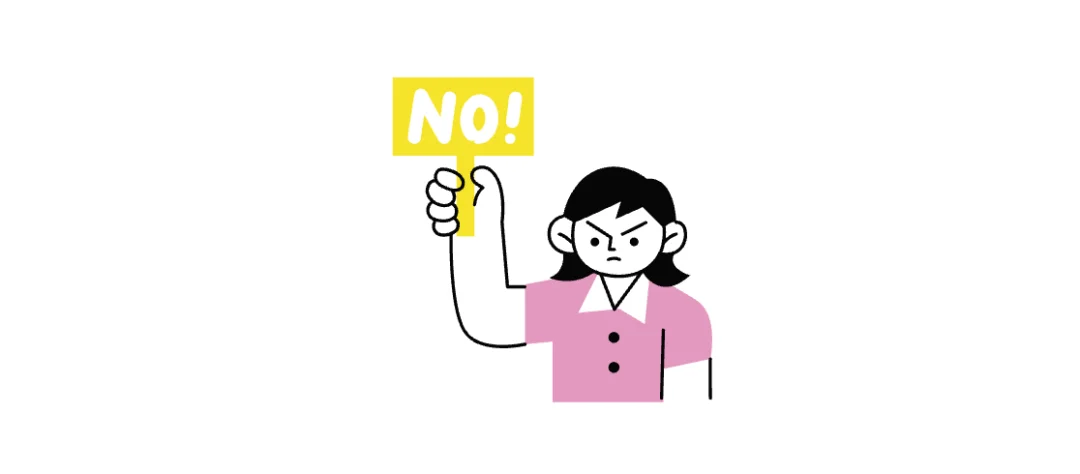
2. What Do 得了 and 不了 Mean?
V得了 / V不了 is one type of potential complement.
Here, 了 is pronounced liǎo.
Verb + 得了
This means that carrying out the action is possible or manageable.
Verb + 不了
This means that carrying out the action is not possible or manageable under the circumstances.
The exact English translation depends on the verb and the situation.
For example:
-
做得了
— can manage to do it
-
来得了
— can make it
-
吃得了
— can eat or tolerate it
-
受得了
— can stand or handle it
3. Common Examples
Example 1
这件事不难,我一个人做得了。
This task is not difficult. I can handle it by myself.
Example 2
这么多工作,你今天做得了吗?
Can you manage all this work today?
Example 3
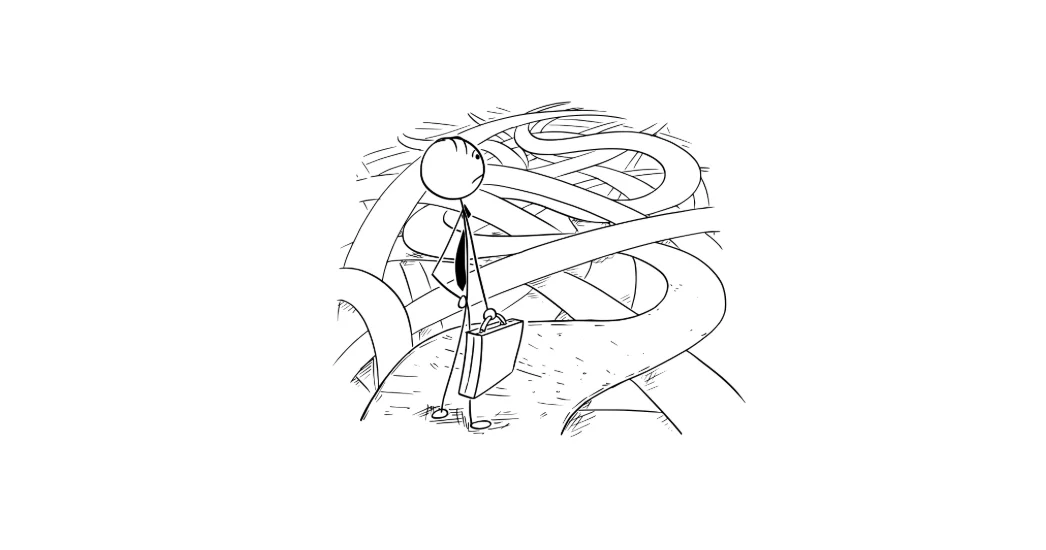
这件事太复杂了,我一个人做不了。
This task is too complicated. I cannot handle it by myself.
Example 4
他今天有课,所以来不了。
He has a class today, so he cannot make it.
Example 5
这么大的箱子,我一个人搬不了。
I cannot move such a large box by myself.
Example 6
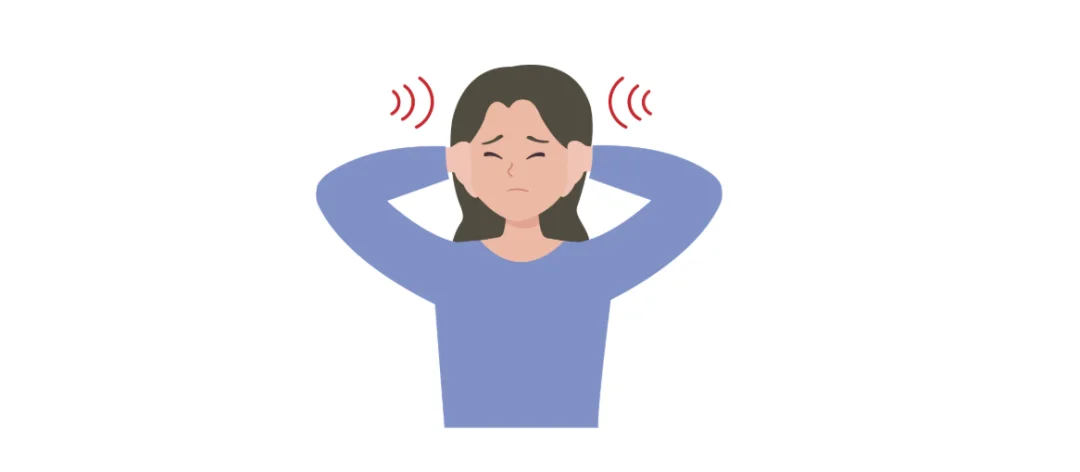
这个声音太大了,我真的受不了。
The noise is too loud. I really cannot stand it.
4. 做得了 Is Not the Same as 做得完
These two expressions are related, but they focus on different things.
做得了
做得了 means that someone is able to do or handle something.
这件事不难,我做得了。
This task is not difficult. I can handle it.
做得完
做得完 means that someone can finish all of the work.
这些工作不多,我一个小时就做得完。
There is not much work. I can finish it in one hour.
💡 Remember:
-
做得了
→ can do or handle it
-
做得完
→ can finish it
5. 吃不了 Is Not the Same as 吃不完
This is another common difference.
吃不了
吃不了 can mean that someone cannot eat something, cannot tolerate it, or cannot manage that amount.
这道菜太辣了,我吃不了。
This dish is too spicy for me to eat.
吃不完
吃不完 means that someone cannot finish all the food.
这么多菜,我们吃不完。
There is so much food. We cannot finish it all.
💡 Remember:
-
吃不了
→ cannot eat or handle it
-
吃不完
→ cannot finish eating it
6. Different Complements, Different Results
The final complement tells us what kind of result or direction is possible.
懂 — understand
这本书不难,我看得懂。
This book is not difficult. I can understand it.
这句话太难了,我看不懂。
This sentence is too difficult. I cannot understand it.

完 — finish
这份作业不多,我今天写得完。
There is not much homework. I can finish it today.
这份报告太长了,我今天写不完。
This report is too long. I cannot finish it today.

见 — perceive
你站近一点儿,我就看得见了。
Stand a little closer, and I will be able to see you.
这里太吵了,我听不见你说什么。
It is too noisy here. I cannot hear what you are saying.

进去 — get in
门开着,我们进得去。
The door is open. We can get in.
门锁上了,我们进不去。
The door is locked. We cannot get in.
7. V不了 and 不能 + Verb
Both structures can express “cannot,” but their focus is slightly different.
不能 + Verb
不能 is a broader and more neutral structure.
It may express:
-
inability
-
objective conditions
-
rules
-
permission
-
restrictions
我今天不能来。
I cannot come today.
这里不能停车。
Parking is not allowed here.
Verb + 不了
V不了 usually emphasizes that the action cannot actually be carried out under the circumstances. It is especially common in spoken Chinese.
我本来想参加,但是临时有事,今天来不了了。
I wanted to attend, but something came up, so I will not be able to make it today.
The two structures sometimes overlap. The difference is often one of focus rather than a strict rule.
8. Actual Result or Possible Result?
Do not confuse a resultative complement with a potential complement.
Actual result
我看懂了。
I understood it.
The result has already happened.
Possible result
我看得懂。
I can understand it.
The result is possible.
Impossible result
我看不懂。
I cannot understand it.
The result is not possible.
9. Common Mistakes
Mistake 1: Putting 不 before the verb
❌ 我不看得懂这本书。
✅ 我看不懂这本书。
I cannot understand this book.
In a negative potential complement, 不 goes between the verb and the complement.
Mistake 2: Using 得 and 不 together
❌ 看得不懂
✅ 看得懂
✅ 看不懂
Use 得 for the positive form and 不 for the negative form.
Mistake 3: Pronouncing 了 as le
In 做得了 and 做不了, 了 is pronounced liǎo.
-
做得了 — zuò de liǎo
-
做不了 — zuò bu liǎo
It is not the sentence-final particle le.
Mistake 4: Confusing 不了 with 不完
这件事太难了,我做不了。
This task is too difficult. I cannot do it.
今天的工作太多了,我做不完。
There is too much work today. I cannot finish it.
Quick Review 🌟
Use:
Verb + 得 + Complement
when the result or direction is possible.
-
看得懂
— can understand
-
写得完
— can finish writing
-
进得去
— can get in
-
做得了
— can manage to do it
Use:
Verb + 不 + Complement
when the result or direction is not possible.
-
看不懂
— cannot understand
-
写不完
— cannot finish writing
-
进不去
— cannot get in
-
做不了
— cannot manage to do it
Remember that the complete expression is important:
-
做不了
— cannot do or handle it
-
吃不完
— cannot finish eating it
-
看不懂
— cannot understand it by reading
-
听不见
— cannot hear
-
看不见
— cannot see
-
进不去
— cannot get in
Final Question
这么多汉语语法,你一天学得了吗?
Can you learn this much Chinese grammar in one day? 😊