
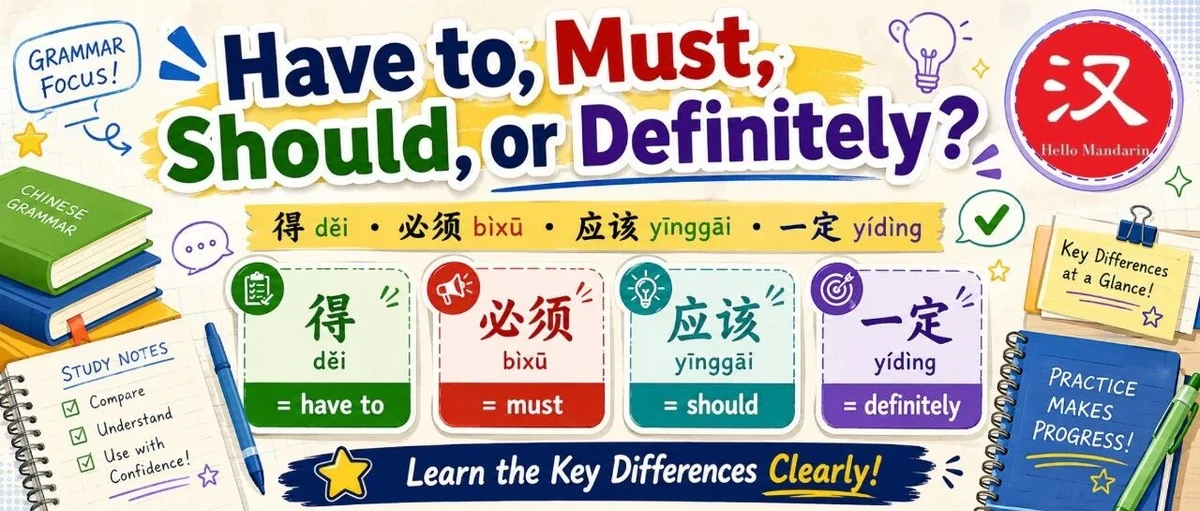
Many Chinese learners translate 得, 必须, 应该, and 一定 as “must” or “should.”
But in real Chinese, they are not exactly the same.
A simple way to remember:
得 děi = have to / need to
必须 bìxū = must / be required to
应该 yīnggāi = should / ought to
一定 yídìng = definitely / certainly / must, based on certainty
Let’s look at the difference clearly. 😊
1. 得 děi = have to / need to
Here, 得 is pronounced děi, not de.
It means someone has to do something because of a real situation or practical need. It often sounds natural and spoken.
得 + Verb
Example 1
我明天有考试,得早点儿睡。
I have an exam tomorrow, so I have to sleep earlier.
Example 2
下雨了,我们得带伞。
It’s raining. We have to bring an umbrella.
Example 3
我现在得走了。
I have to go now.
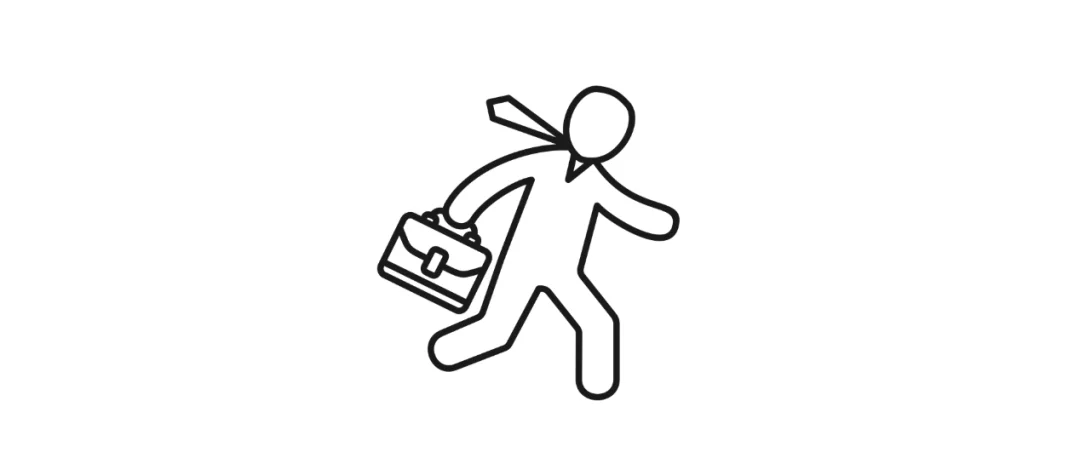
Key feeling:
得 is often used in daily spoken Chinese. It sounds practical, natural, and a little casual.
2. 必须 bìxū = must / be required to
必须 means something is necessary, required, or very important. It is stronger than 得 and sounds more serious.
It is often used for rules, duties, important requirements, or strong instructions.
必须 + Verb
Example 1
学生上课时必须认真听。
Students must listen carefully in class.
Example 2
你必须按时交作业。
You must hand in your homework on time.
Example 3
进办公室以前,你必须先敲门。
Before entering the office, you must knock first.
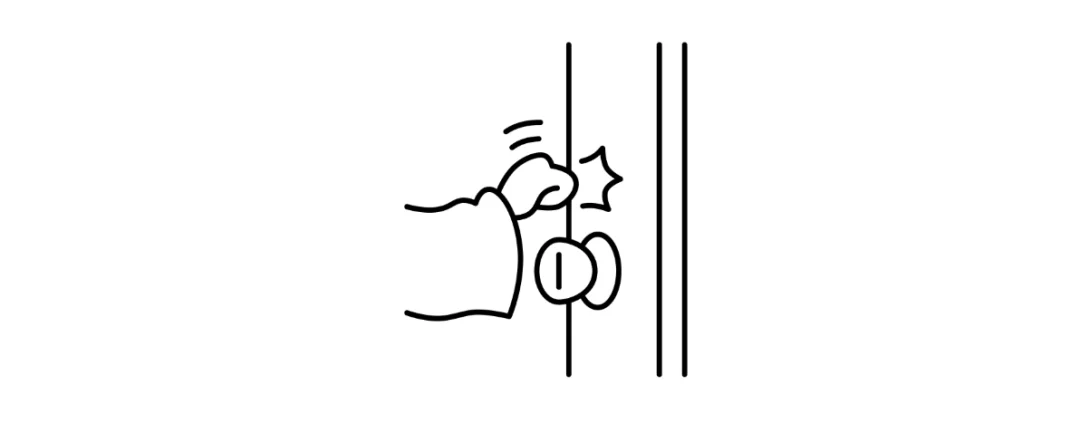
Key feeling:
必须 is stronger and more formal than 得. It often sounds like a rule, requirement, or serious obligation.
3. 应该 yīnggāi = should / ought to
应该 means something is right, reasonable, or recommended. It is not as strong as 必须.
You use 应该 when giving advice, expressing responsibility, or saying what is probably right.
应该 + Verb
Example 1
你感冒了,应该多喝水。
You have a cold. You should drink more water.
Example 2
我们应该尊重不同的文化。
We should respect different cultures.
Example 3
他今天很忙,应该不会来。
He is very busy today, so he probably won’t come.
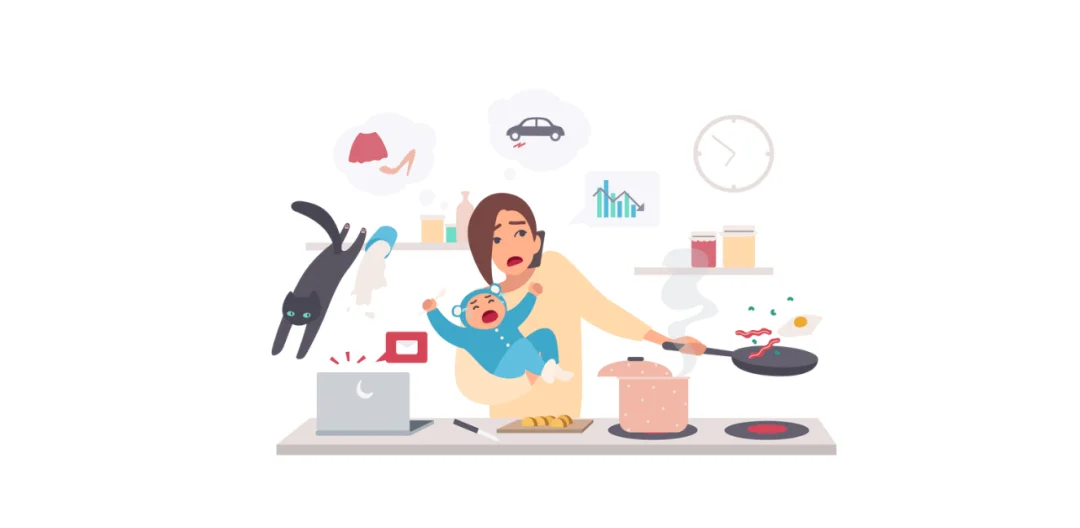
Key feeling:
应该 is softer than 必须. It can mean “should,” and sometimes it also means “probably.”
4. 一定 yídìng = definitely / certainly
一定 is usually an adverb. It often shows strong certainty.
It does not always mean “must” as a rule. Very often, it means “definitely” or “certainly.”
一定 + Verb / Adjective / Clause
Example 1
他中文说得很好,他一定学了很久。
He speaks Chinese very well. He must have studied for a long time.
Example 2
别担心,你一定会通过考试。
Don’t worry. You will definitely pass the exam.
Example 3
我一定帮你。
I will definitely help you.

Key feeling:
一定 focuses on certainty or a strong promise. It is not mainly about rules.
5. What about 一定要 yídìng yào?
You will often see 一定要.
一定要 + Verb means “must make sure to…” or “definitely must…”
It is stronger and more emotional than just 要.
Example 1
你一定要来!
You must come! / Make sure you come!
Example 2
考试以前,你一定要复习这些词。
Before the exam, you must review these words.
Example 3
学习中文,一定要多说。
When learning Chinese, you must speak more.
Key feeling:
一定要 often sounds like strong advice, a reminder, or an emotional instruction.
6. Compare These Four Words
Situation: You have an exam tomorrow.
我明天有考试,得复习。
Wǒ míngtiān yǒu kǎoshì, děi fùxí.
I have an exam tomorrow, so I have to review.
Natural and practical.
我明天有考试,必须复习。
Wǒ míngtiān yǒu kǎoshì, bìxū fùxí.
I have an exam tomorrow, so I must review.
Stronger and more serious.
我明天有考试,应该复习。
Wǒ míngtiān yǒu kǎoshì, yīnggāi fùxí.
I have an exam tomorrow, so I should review.
Advice or reasonable choice.
我明天有考试,一定会复习。
Wǒ míngtiān yǒu kǎoshì, yídìng huì fùxí.
I have an exam tomorrow, so I will definitely review.
Strong certainty or promise.
7. Common Mistakes
Mistake 1: Using 一定 like 必须 in every sentence
❌ 学生一定准时到学校。
This may sound like “Students will definitely arrive at school on time,” not “Students must arrive on time.”
✅ 学生必须准时到学校。
Students must arrive at school on time.
Mistake 2: Confusing 得 děi with 得 de
得 děi means “have to.”
我得走了。
I have to go.
得 de is used after a verb to describe how something is done.
他说中文说得很好。
He speaks Chinese very well.
Same character, different pronunciation, different grammar. Be careful! ⚠️

8. Quick Memory Tip
Use 得 when the situation makes something necessary.
Use 必须 when something is required or very important.
Use 应该 when giving advice or saying what is reasonable.
Use 一定 when you are very sure about something.
So you can remember them like this:
得 = I have no choice.
必须 = This is required.
应该 = This is a good idea / the right thing to do.
一定 = I am sure / definitely.
Final Mini Practice
Choose the best word: 得 / 必须 / 应该 / 一定
-
你生病了,______ 去看医生。
You are sick. You should go see a doctor. -
上飞机以前,乘客 ______ 出示护照。
Before boarding the plane, passengers must show their passports. -
我今天很忙,现在 ______ 走了。
I am very busy today. I have to go now. -
他每天都练习中文,他 ______ 会进步。
He practices Chinese every day. He will definitely improve.
Answers:
-
应该
-
必须
-
得
-
一定
Learning these four words will make your Chinese sound much more natural.
Next time you want to say “must” or “should,” don’t translate directly from English. Think about the feeling first. 😊✨