
Have you ever wanted to say “etc.” or “and so on” in Chinese? 🤔
In Chinese, we often use 等 (děng) and 等等 (děng děng) after a list. After an open list, they show that more similar things could be mentioned but are left unsaid.
This is a small grammar point, but it can make your Chinese sound much more natural. ✨
1. What do 等 and 等等 mean?
等 and 等等 can mean:
etc. / and so on / and more similar things
They tell the listener:
“This is only part of the list. There are more things like these.”
For example:
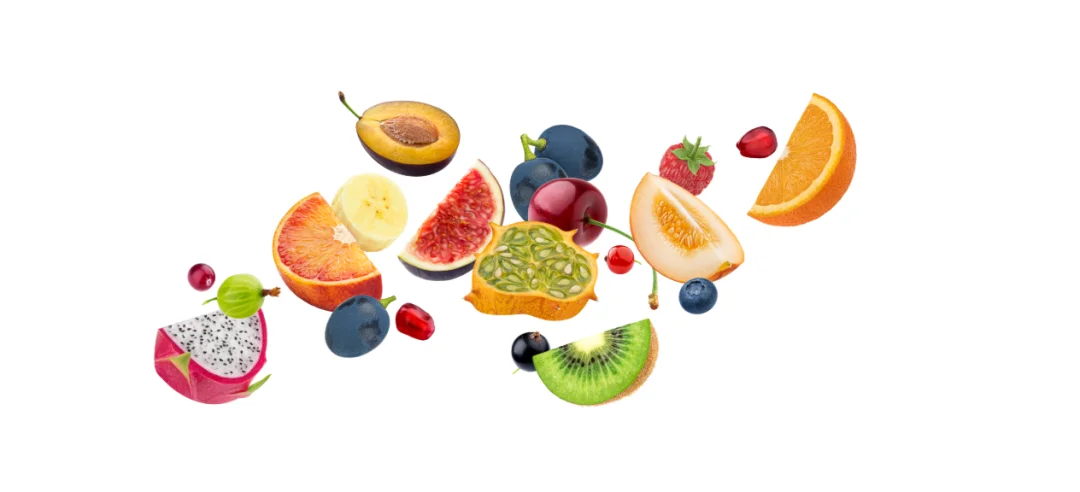
我喜欢吃苹果、香蕉、葡萄等等。
I like eating apples, bananas, grapes, and so on.
Here, the speaker probably likes other fruits too, but does not list all of them.
等 can also close a complete list when the total is stated: 北京、上海、广州等三个城市 means the three cities Beijing, Shanghai and Guangzhou. The context tells you whether the list is open or complete.
2. Basic Structure: A, B, C + 等 / 等等
The basic structure is very simple:
A、B、C + 等 / 等等
In Chinese, we usually use 、 between items in a list.
Examples:
我买了书、笔、本子等等。
I bought books, pens, notebooks, etc.
周末,我想看电影、喝咖啡、逛街等。
This weekend, I want to watch a movie, drink coffee, go shopping, and so on.
我们学习了“了”“过”“着”等语法点。
Wǒmen xuéxí le “le”, “guo”, “zhe” děng yǔfǎ diǎn.
We studied grammar points such as “了”, “过”, and “着”.
3. Difference Between 等 and 等等
At the end of a list, both 等 and 等等 can be used.
But their feeling is a little different:
等等
More conversational and common in daily speech.
等
Shorter, more concise, and often used in written or formal Chinese.
Compare:
我喜欢茶、咖啡、果汁等等。
I like tea, coffee, juice, and so on.
我喜欢茶、咖啡、果汁等。
I like tea, coffee, juice, etc.
Both are correct.
For beginners, 等等 may feel easier and more natural in speaking.

4. Important Structure: 等 + Category Word
There is another very common structure:
A、B、C + 等 + Category
In this structure, 等 means “such as”.
Important:
When a category word comes after the list, we normally use 等, not 等等.
Examples:
苹果、香蕉、葡萄等水果都很健康。
Fruits such as apples, bananas, and grapes are all healthy.
北京、上海、广州等城市有很多外国人。
Cities such as Beijing, Shanghai, and Guangzhou have many foreigners.
这家店卖茶、咖啡、果汁等饮料。
This shop sells drinks such as tea, coffee, and juice.
老师讲了发音、词汇、语法等内容。
The teacher talked about topics such as pronunciation, vocabulary, and grammar.

5. More Natural Examples
他会说中文、英文、法语等等。
He can speak Chinese, English, French, and so on.
我想去中国、日本、韩国等国家旅行。
I want to travel to countries such as China, Japan, and Korea.
我们需要准备护照、签证、机票等等。
We need to prepare passports, visas, flight tickets, and so on.
我喜欢游泳、跑步、篮球等运动项目。
I like sports such as swimming, running, and basketball.

6. Common Mistakes
Mistake 1: Using 等等 before a category word
❌ 苹果、香蕉等等水果都很好吃。
Píngguǒ, xiāngjiāo děng děng shuǐguǒ dōu hěn hǎochī.
This sounds unnatural.
✅ 苹果、香蕉等水果都很好吃。
Fruits such as apples and bananas are delicious.
Remember:
A、B、C + 等 + category
Not: A、B、C + 等等 + category
A learning tip: Give enough examples before 等等
⚠️ 我喜欢苹果等等。
Wǒ xǐhuan píngguǒ děng děng.
For beginners, it is better to list at least two examples before using 等等.
With only one example, the intended group may be unclear without enough context; it is not a universal grammar ban.
✅ 我喜欢苹果、香蕉、葡萄等等。
I like apples, bananas, grapes, and so on.
7. Quick Summary
Use 等 / 等等 at the end of a list:
我喜欢茶、咖啡、果汁等等。
I like tea, coffee, juice, and so on.
我喜欢茶、咖啡、果汁等。
I like tea, coffee, juice, etc.
Both are correct.
Use 等 + category when you want to say “such as A, B, and C”:
茶、咖啡、果汁等饮料很受欢迎。
Drinks such as tea, coffee, and juice are very popular.
8. Mini Practice
Choose 等 or 等等.
-
我喜欢吃饺子、面条、米饭 ______。
I like eating dumplings, noodles, rice, and so on.
-
北京、上海、深圳 ______ 城市都很大。
Cities such as Beijing, Shanghai, and Shenzhen are all big.
-
他买了衣服、鞋子、帽子 ______。
He bought clothes, shoes, hats, etc.

Answers:
- 等 / 等等
- 等
- 等 / 等等
Final Tip
Here is the easiest way to remember this grammar point:
A、B、C + 等等
= A, B, C, etc.
More common in spoken Chinese.
A、B、C + 等
= A, B, C, etc.
More concise or written.
A、B、C + 等 + category
= category such as A, B, and C.
Once you understand this, your Chinese lists will sound clearer, smoother, and more natural. 🌟