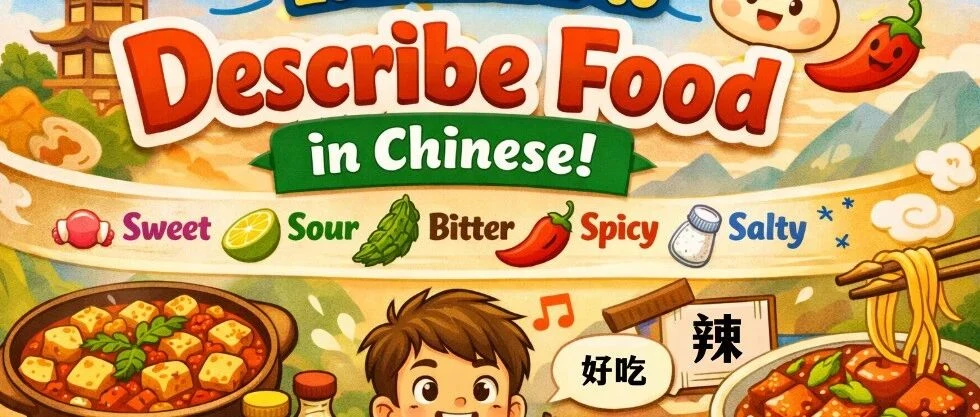
Common Tastes and Seasonings Every Chinese Learner Should Know
When learning Chinese, one fun and practical topic is talking about food. Chinese cuisine is famous around the world for its rich flavors and balanced tastes.
If you know how to describe tastes in Chinese, you can:
• talk about dishes you like
• order food in restaurants
• understand recipes
• communicate naturally with Chinese friends
Let’s explore some common taste words and seasonings in Chinese! 😋
🍬 1. 甜 (tián) — Sweet
甜 (tián) means sweet. Sweet flavors often appear in desserts, drinks, and some famous Chinese dishes like 糖醋排骨 (sweet and sour ribs).
Sweetness usually comes from sugar, honey, or fruits.
Example:
这个蛋糕太甜了。
This cake is too sweet.
More examples:
我喜欢吃甜的东西。
I like eating sweet foods.
这个西瓜很甜。
This watermelon is very sweet.

🍋 2. 酸 (suān) — Sour
酸 (suān) means sour. In Chinese cooking, sour flavors usually come from vinegar (醋) or pickled vegetables.
Many famous Chinese dishes combine sour and spicy flavors, such as 酸辣汤 (hot and sour soup).
Example:
这个柠檬太酸了。
This lemon is too sour.
More examples:
我喜欢酸一点的味道。
I like food that is a little sour.
这个汤有一点酸。
This soup is a little sour.
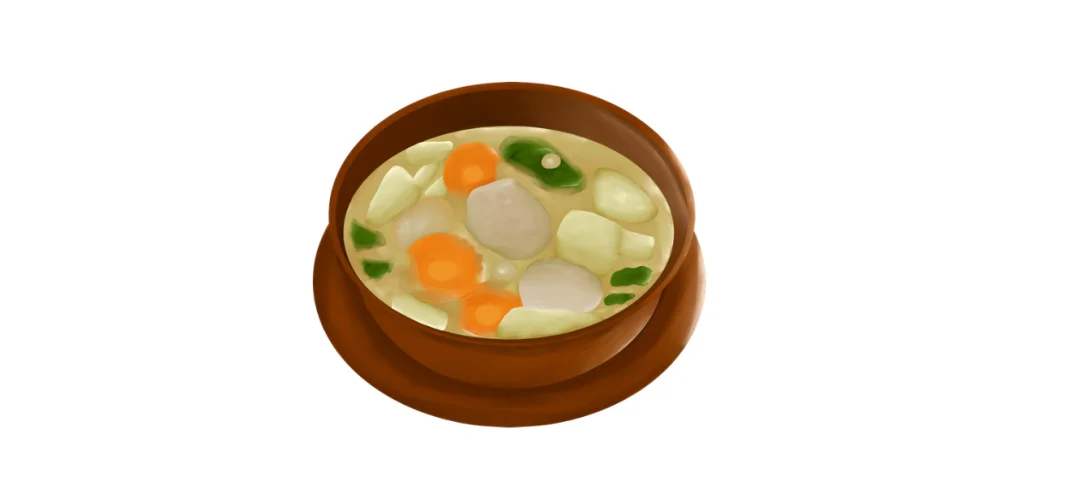
🌿 3. 苦 (kǔ) — Bitter
苦 (kǔ) means bitter. Bitter flavors are not as common in many dishes, but they appear in ingredients such as 苦瓜 (bitter melon) or some traditional Chinese medicines.
Example:
这个药很苦。
This medicine is very bitter.
More examples:
苦瓜有一点苦。
Bitter melon is a little bitter.
这个咖啡太苦了。
This coffee is too bitter.

🌶 4. 辣 (là) — Spicy / Hot
辣 (là) means spicy or hot. This taste is very popular in regions like Sichuan (四川) and Hunan (湖南).
Many dishes use chili peppers to create a strong spicy flavor, such as 麻婆豆腐 (Mapo Tofu).
Example:
这个菜很辣。
This dish is very spicy.
More examples:
四川菜通常很辣。
Sichuan food is usually very spicy.
我不能吃太辣的东西。
I cannot eat very spicy food.
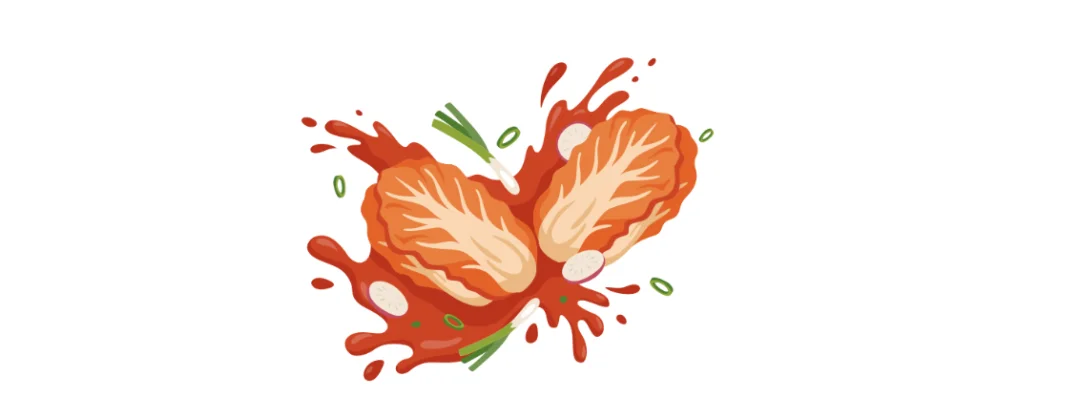
🧂 5. 咸 (xián) — Salty
咸 (xián) means salty. This taste usually comes from 盐 (salt) or 酱油 (soy sauce).
Many Chinese dishes balance salty flavor with other tastes.
Example:
这碗汤太咸了。
This bowl of soup is too salty.
More examples:
这个菜有一点咸。
This dish is a little salty.
我不喜欢太咸的食物。
I don’t like very salty food.
🥘 6. 腻 (nì) — Greasy / Too Rich
腻 (nì) describes food that is too oily, greasy, or rich. This word is often used when a dish contains too much oil or fat.
Example:
这道菜太腻了,有很多油。
This dish is too greasy and has a lot of oil.
More examples:
我不喜欢太腻的食物。
I don’t like greasy food.
吃多了会觉得很腻。
If you eat too much, it may feel too oily.
🧂 Common Chinese Seasonings (调料 tiáoliào)
Seasonings are essential in Chinese cooking because they enhance flavor and balance taste.
Here are some very common Chinese seasonings.
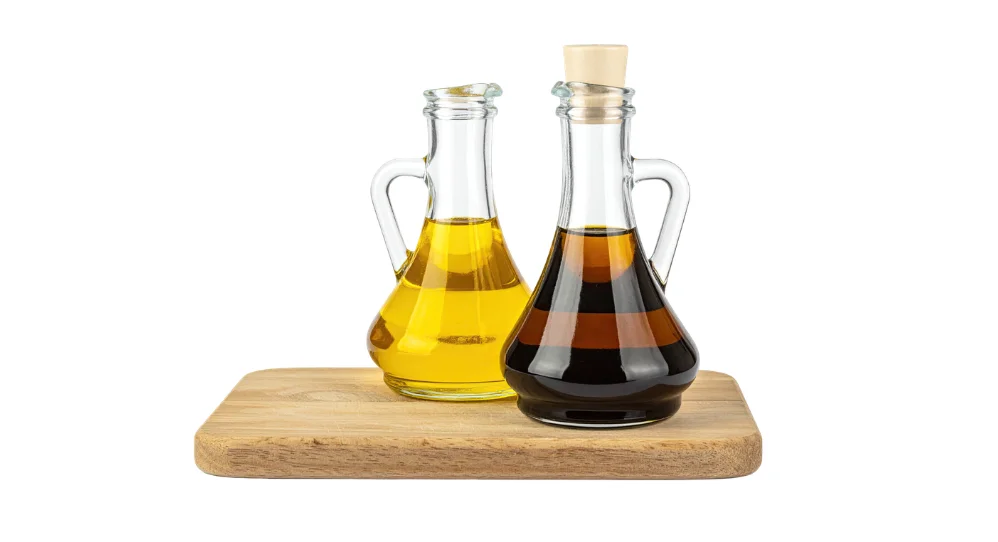
醋 (cù) — Vinegar
Vinegar adds a sour flavor to dishes. One famous type is 陈醋 (aged vinegar) from Shanxi.
Example:
请给我一点醋。
Please give me some vinegar.
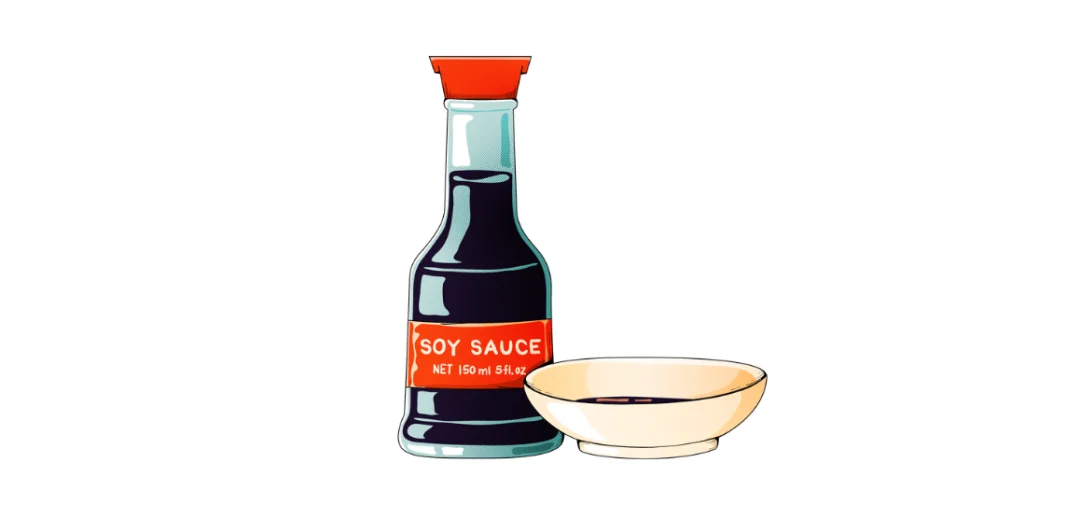
酱油 (jiàngyóu) — Soy Sauce
Soy sauce is one of the most important seasonings in Chinese cooking.
There are two common types:
生抽 (shēngchōu) — light soy sauce
老抽 (lǎochōu) — dark soy sauce
Example:
我喜欢加点酱油。
I like adding a little soy sauce.
盐 (yán) — Salt
Salt is a basic seasoning used in almost every dish.
Example:
菜里需要放盐。
The dish needs salt.
料酒 (liàojiǔ) — Cooking Wine
Cooking wine is often used when cooking meat or seafood. It helps remove strong smells and add flavor.
Example:
做菜时加点料酒。
Add cooking wine when cooking.
麻油 (máyóu) — Sesame Oil
Sesame oil has a rich, nutty aroma. Usually only a small amount is added.
Example:
这个汤需要一点麻油。
This soup needs a little sesame oil.

辣椒酱 (làjiāojiàng) — Chili Sauce
This is perfect for people who love spicy food 🌶
Example:
这个面很好吃,加点辣椒酱更好。
These noodles are delicious; adding chili sauce makes them even better.

🌍 Common Western Seasonings
When learning Chinese, you may also want to talk about Western ingredients.
橄榄油 (gǎnlǎn yóu) — Olive Oil
Example:
用橄榄油煎鸡胸肉。
Fry the chicken breast with olive oil.

番茄酱 (fānqiéjiàng) — Ketchup
Example:
我喜欢吃番茄酱。
I like ketchup.
芥末 (jièmò) — Mustard
Example:
给我点芥末。
Give me some mustard.

黑胡椒 (hēi hújiāo) — Black Pepper
Example:
用黑胡椒调味。
Season it with black pepper.

黄油 (huángyóu) — Butter
Example:
这个面包是用黄油做的。
This bread is made with butter.
🥢 Final Tip for Chinese Learners
Learning these taste words will help you:
✔ describe food more naturally
✔ understand Chinese menus
✔ talk about your favorite dishes
✔ enjoy Chinese food culture even more
Next time you eat Chinese food, try asking:
这个菜辣吗?
Is this dish spicy?
or
这个汤有一点咸吗?
Is this soup a little salty?
You’ll sound much more natural in Chinese! 😄
加油!🚀