
Grammar Focus: 多 (duō) and 少 (shǎo) Before Verbs
Have you ever heard a Chinese friend say:
多喝热水!
Drink more warm water!
多喝热水 is a familiar piece of everyday advice in Chinese. People may say it to show care when someone feels cold, tired, or unwell.
But what does 多 mean before a verb? And how can we use 少 in the same way?
Let’s learn this useful pattern! 😊
1. The Basic Pattern
When 多 or 少 comes before a verb, it shows that an action is done more or less.
This pattern is especially common when giving advice or making suggestions.
Structure
多 / 少 + Verb + (Object)
The object is optional.
Examples
多喝水。
Drink more water.
少喝咖啡。
Drink less coffee.
多休息。
Get more rest.
Depending on the verb, 多 and 少 may refer to the amount, time, or frequency of an action.
2. 多 (duō): Do More
Put 多 before a verb when you want someone to do an action more, for a longer time, or more often.
Example 1
你要多休息。
You should get more rest.
Example 2
请多说汉语。
Please speak more Chinese.
Example 3
你可以多听中文歌。
You can listen to more Chinese songs.
Example 4
今天很冷,多穿一点儿衣服。
It is cold today. Put on some extra clothes.
Here, 多 describes the action.
-
多喝
:drink more
-
多说
:speak more
-
多听
:listen more
-
多休息
:rest more
3. 少 (shǎo): Do Less
Put 少 before a verb when you want someone to reduce an action.
Example 1
晚上少喝咖啡。
Drink less coffee in the evening.
Example 2
你应该少玩手机。
You should spend less time on your phone.
Example 3
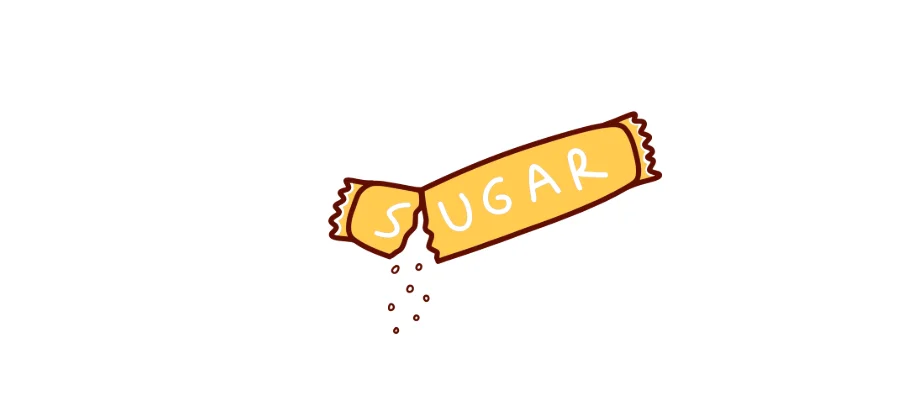
请少吃糖。
Please eat less sugar.
Example 4
睡觉以前少看电视。
Watch less TV before going to bed.
Here, 少 means reducing the amount, time, or frequency of an action.
4. Make the Advice Softer with 一点儿 (yìdiǎnr)
Adding 一点儿 can make advice sound softer and more natural.
With an object
多 / 少 + Verb + 一点儿 + Object
你应该多喝一点儿水。
You should drink a little more water.
晚上少吃一点儿东西。
Eat a little less in the evening.
Without an object
多 / 少 + Verb + 一点儿
你今天应该多休息一点儿。
You should get a little more rest today.
请少说一点儿。
Please talk a little less.
You can also add 吧 (ba) to make the suggestion gentler.
少吃一点儿糖吧。
Try to eat a little less sugar.
5. Use 多 and 少 Together
Chinese speakers often use 多 and 少 together to give short, clear advice.
Example 1
多说汉语,少说英语。
Speak more Chinese and less English.
Example 2
多喝水,少喝咖啡。
Drink more water and less coffee.
Example 3
少看电视,多运动。
Watch less TV and exercise more.
This pattern is common in health advice, study tips, and everyday conversations.

6. 多喝水 or 很多水?
Do not confuse 多 + verb with 很多 + noun.
多 + Verb
多喝水。
Drink more water.
Here, 多 describes the action 喝.
很多 + Noun
我每天喝很多水。
I drink a lot of water every day.
Here, 很多 describes the noun 水.
Compare:
✅ 你应该多喝水。
You should drink more water.
✅ 我每天喝很多水。
I drink a lot of water every day.
❌ 你应该很多喝水。
This sentence is incorrect.
7. 少喝 and 很少喝 Are Different
Be careful: 少 and 很少 do not mean exactly the same thing.
少 + Verb
It means that someone should reduce an action.
少喝咖啡。
Drink less coffee.
很少 + Verb
It means that an action does not happen often.
我很少喝咖啡。
I rarely drink coffee.
Remember:
少喝 = drink less
很少喝 = rarely drink
8. Quick Practice
Choose 多, 少, or 很少.
1
医生说我应该 ______ 休息。
The doctor said I should get more rest.
2
睡觉以前 ______ 玩手机。
Use your phone less before going to bed.
3
我不喜欢咖啡,所以我 ______ 喝咖啡。
I do not like coffee, so I rarely drink it.
4
学习汉语要 ______ 听、______ 说。
When learning Chinese, you should listen more and speak more.
Answers
- 多
- 少
- 很少
- 多 / 多
Remember This
多 + Verb
Do an action more.
少 + Verb
Do an action less.
很少 + Verb
Rarely do an action.
多 / 少 + Verb + 一点儿
Do an action a little more or a little less.
So, the next time someone says:
多喝热水!
You will understand both the advice and the grammar behind it! ☕