
Keyword: 要 yào
Main meanings: want, need to, be going to, about to, if
The Chinese word 要 (yào) is very common, but it is not always easy to translate.
Many learners first learn 要 as “want.”
But in real Chinese, 要 can also mean be going to, must, need, ask for, or even appear in conditional patterns like 只要…就… and 要是…就….
The basic feeling of 要 is often connected to:
desire → what someone wants
necessity → what someone needs to do
future action → what is going to happen soon
Let’s learn 8 common usages of 要 yào clearly. 😊
1. 要 = to want
This is the most basic meaning of 要.
Structure
Subject + 要 + noun
Examples
我要一个杯子。
I want a cup.
我要这本书。
I want this book.
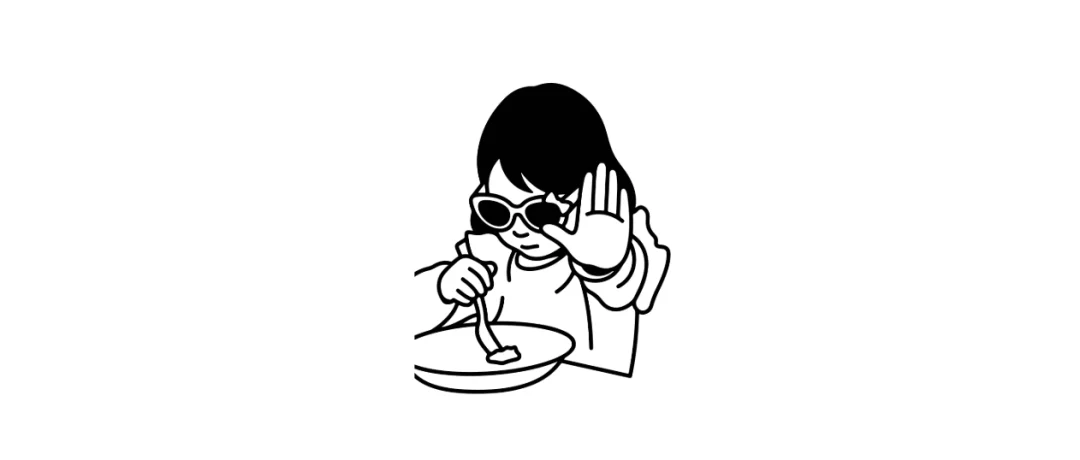
我不要这个。
I don’t want this.
Note
The negative form is usually 不要 (bú yào), not 不想要 in simple daily situations.
For example:
我不要咖啡。
I don’t want coffee.
2. 要 = to order / to ask for something
When you are buying food, drinks, or something in a shop, 要 often means “to order” or “to ask for.”
Structure
Subject + 要 + item
Examples
我要一杯咖啡。
I’d like a cup of coffee.
我们要两个包子。
We’d like two baozi.
你要什么?
What would you like?
Natural English meaning
In this situation, 我要… does not sound rude in Chinese.
It often simply means:
“I’d like…”
“I’ll have…”
3. 要 = be going to / will
要 can show a planned or expected future action. It is close to “be going to” in English.
Structure
Subject + 要 + verb phrase
Examples
我明天要去上海。
I’m going to Shanghai tomorrow.
我今天晚上要吃鱼。
I’m going to eat fish tonight.
她周末要看电影。
She is going to watch a movie this weekend.

Important note: 要 vs. 会
要 and 会 (huì) are not always interchangeable.
要 often emphasizes a plan, intention, or something likely to happen soon.
会 often emphasizes prediction, possibility, or ability.
Compare:
我明天要去北京。
Wǒ míngtiān yào qù Běijīng.
I’m going to Beijing tomorrow.
→ This sounds like a plan.
明天可能会下雨。
Míngtiān kěnéng huì xià yǔ.
It may rain tomorrow.
→ This sounds like a prediction.
4. 要 = be about to
When something is going to happen very soon, Chinese often uses:
快要…了
就要…了
Both mean “be about to…”
Structure
Subject + 快要 / 就要 + verb + 了
Examples
我要迟到了。
I’m going to be late.
火车快要开了。
The train is about to leave.
电影就要开始了。
The movie is about to start.

Small difference
快要…了 often emphasizes that something will happen soon.
就要…了 can sound a little more immediate or certain.
5. 要 = must / need to
要 can also express necessity. In this case, it means “must,” “need to,” or “should.”
Structure
Subject + 要 + verb phrase
Examples
你要多喝水。
You should drink more water.
我要努力学习汉语。
I need to study Chinese hard.
上课的时候,我们要认真听。
During class, we should listen carefully.
Note
When 要 means “must” or “should,” the tone can be strong.
If you want to sound softer, you can use:
应该 (yīnggāi) = should
最好 (zuìhǎo) = had better
Example:
你最好早点休息。
You’d better rest earlier.
6. 要 = to need / to require
Sometimes 要 means that something needs or requires something else.
Examples
这个菜要十分钟。
This dish takes ten minutes.
从这里到学校要二十分钟。
It takes twenty minutes from here to school.
这件衣服要一百块。
This piece of clothing costs 100 yuan.

Note
When talking about time or money, 要 can mean:
takes
costs
requires
So 要十元 often means “costs 10 yuan” or “asks for 10 yuan,” depending on the context.
7. 要 used in polite questions
要 is often used to ask if someone wants something. This is very common in daily Chinese.
Structure
你要 + noun / verb phrase + 吗?
Examples
你要咖啡吗?
Do you want coffee?
你要不要喝水?
Do you want to drink some water?
你要一起去吗?
Do you want to go together?
More natural pattern
In spoken Chinese, 要不要…? is very common.
你要不要休息一下?
Do you want to take a short rest?

8. 要 in conditional patterns
要 also appears in some useful “if” patterns.
The two most common ones are:
只要…就…
要是…就…
They both talk about conditions, but they are not exactly the same.
A. 只要…就… = as long as… then…
只要 (zhǐyào) means “as long as.”
It emphasizes that one condition is enough.
Structure
只要 + condition, 就 + result
Examples
只要你努力,就会进步。
As long as you work hard, you will improve.
只要你有问题,就可以问我。
As long as you have questions, you can ask me.
只要每天练习十分钟,中文就会越来越好。
As long as you practice for ten minutes every day, your Chinese will get better and better.
B. 要是…就… = if… then…
要是 (yàoshi) means “if.”
It is often used for hypothetical or uncertain situations.
Structure
要是 + condition, 就 + result
Examples
要是明天下雨,我们就不去公园。
If it rains tomorrow, we won’t go to the park.
要是你有时间,就给我打电话。
If you have time, call me.
要是你不懂,就再问一遍。
If you don’t understand, ask again.
只要 vs. 要是: What’s the difference?
只要…就… means “as long as…”
It emphasizes a sufficient condition.
要是…就… means “if…”
It emphasizes a possible or hypothetical situation.
Compare:
只要你来,我就很高兴。
Zhǐyào nǐ lái, wǒ jiù hěn gāoxìng.
As long as you come, I’ll be happy.
→ Your coming is enough.
要是你来,我就很高兴。
Yàoshi nǐ lái, wǒ jiù hěn gāoxìng.
If you come, I’ll be happy.
→ Maybe you will come, maybe not.
Quick Review
要 can mean many different things in Chinese:
1. want
我要这本书。
I want this book.
2. order / ask for
我要一杯咖啡。
I’d like a cup of coffee.
3. be going to
我明天要去上海。
I’m going to Shanghai tomorrow.
4. be about to
电影就要开始了。
The movie is about to start.
5. must / need to / should
你要多喝水。
You should drink more water.
6. take / cost / require
从这里到学校要二十分钟。
It takes twenty minutes from here to school.
7. ask politely
你要不要喝水?
Do you want to drink some water?
8. conditional patterns
只要你努力,就会进步。
As long as you work hard, you will improve.
要是明天下雨,我们就不去。
If it rains tomorrow, we won’t go.
Final Tip
Don’t memorize 要 as only “want.”
A better way is to remember this:
要 often shows something connected to desire, necessity, or future action.
When you see 要, ask yourself:
Does it mean someone wants something?
Does it mean someone needs to do something?
Does it mean something is going to happen?
Is it part of a pattern like 只要…就… or 要是…就…?
Once you understand the context, 要 becomes much easier to use. 😊📘✨