
Have you ever been to Beijing?
Have you ever eaten hot pot?
Have you ever seen a Chinese movie?
To talk about experiences like these in Chinese, you need one very useful little particle:
过 (guo) ✨
The key idea is simple:
👉 过 tells us that something has happened in your experience before.
01 What Does 过 (guo) Mean?
When 过 (guo) comes after a verb, it often shows that someone has done or experienced something before.
Basic Structure
Subject + Verb + 过 + Object
For example:
我去过北京。
I have been to Beijing.
The important idea is not a particular trip.
It is:
👉 Going to Beijing is part of my past experience.
Another example:
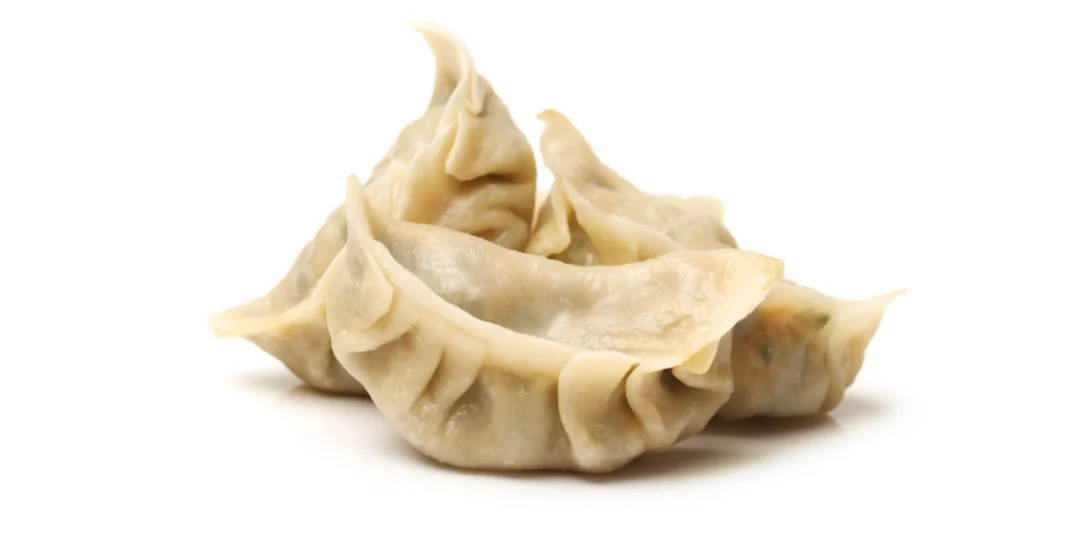
我吃过饺子。
I have eaten dumplings before.
Here, 吃过 means that you have had this experience at least once.
02 Think: “Have Done Before”
A useful way to understand Verb + 过 is:
have done something before
or
have had the experience of doing something
For example:
她学过中文。
She has studied Chinese before.
我看过这部电影。
I have seen this movie before.
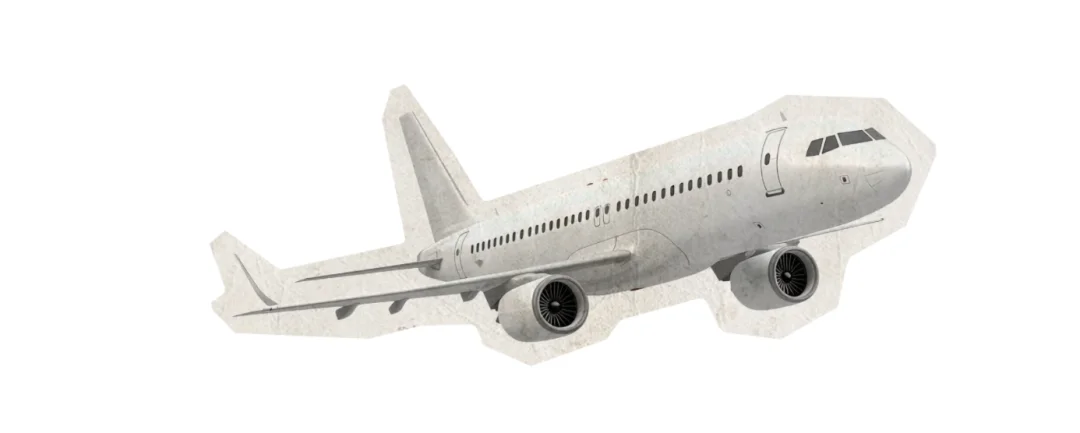
他坐过飞机。
He has flown before.
💡 You do not need to translate 过 word for word every time.
Just remember the idea:
Verb + 过 → this has happened in my experience before
03 How Do You Ask “Have You Ever…?”
This is one of the most useful everyday uses of 过.
Simply add 吗 (ma):
Subject + Verb + 过 + Object + 吗?
你去过上海吗?
Have you ever been to Shanghai?
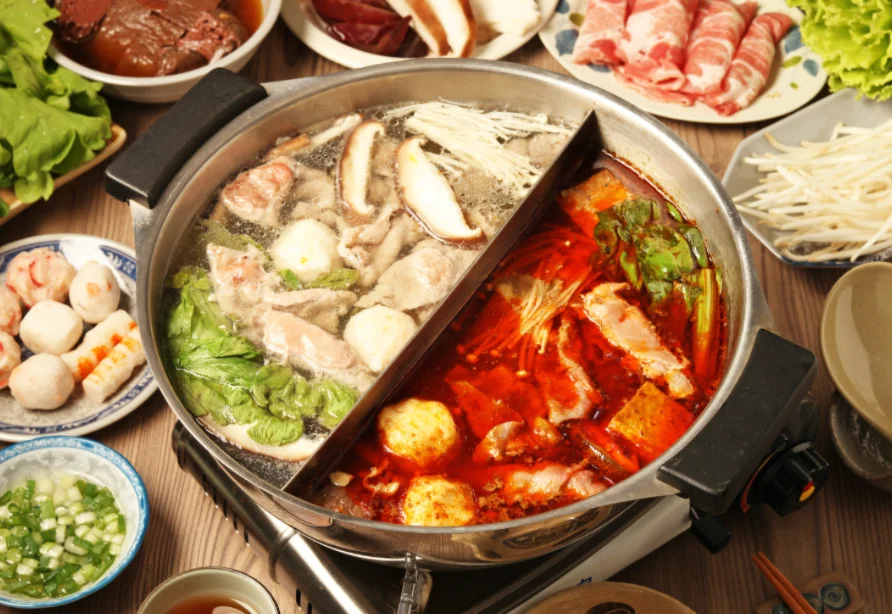
你吃过火锅吗?
Have you ever eaten hot pot?
你看过这部电影吗?
Have you seen this movie before?
These are great conversation starters. 😊
After someone says “yes,” you can continue:
什么时候去的?
When did you go?
好吃吗?
Was it good?
喜欢吗?
Did you like it?
04 How Do You Say “Never”?
To say that you have never had an experience, use:
没(有)+ Verb + 过
我没去过北京。
I have never been to Beijing.
我没吃过这个菜。
I haven’t tried this dish before.
她没有坐过飞机。
She has never flown before.
⚠️ Notice the negative word:
✅ 没(有)+ Verb + 过
Not:
❌ 不 + Verb + 过
So:
❌ 我不去过北京。
✅ 我没去过北京。
I have never been to Beijing.

05 过 (guo) vs. 了 (le)
This is a common question.
Both 过 and 了 can appear when talking about things that happened in the past, but the focus is different.
过 → past experience
我去过北京。
I have been to Beijing.
The focus is:
👉 Have I ever had this experience?
了 → a particular event
我去年去了北京。
I went to Beijing last year.
Here, we are talking about a specific trip that happened last year.
A simple way to remember the difference:
过 → Have you ever done it?
了 → What happened?
This is not every possible use of 了, but it is a useful beginner-level distinction.
06 Can I Say How Many Times?
Yes! 👍
You can use 过 when talking about how many times you have had an experience.
我去过北京两次。
I have been to Beijing twice.
我看过这部电影三次。
I have seen this movie three times.
So 过 does not only mean “once.”
It simply tells us that the experience has happened before.

07 Does 过 Mean “A Long Time Ago”?
No.
过 does not mean “a long time ago.”
It tells us that the experience happened before the present moment or another reference point.
For example:
我小时候学过钢琴。
I studied piano when I was a child.
You can even mention a specific past period:
我去年去过北京。
I went to Beijing last year / I was in Beijing last year.
Here, 过 still presents going to Beijing as an experience within that past period.
So don’t remember:
❌ 过 = a long time ago
Remember:
✅ 过 = something has happened before
08 A Small Pronunciation Detail 🎧
You may already know 过 as guò.
For example:
过马路
to cross the street
Here, 过 is a verb and is pronounced guò.
But when 过 is the grammatical particle showing experience, it is normally pronounced with a neutral tone:
去过
have been
吃过
have eaten
看过
have seen
So:
过 = guò → when it is a regular verb in words such as 过马路
过 = guo → when it is the particle showing past experience
This small pronunciation change will make your Chinese sound more natural.
09 Common Mistakes
❌ Using 不 instead of 没
我不吃过饺子。 ❌
Say:
我没吃过饺子。
I have never eaten dumplings.
❌ Thinking 过 means “past tense”
Not every past action needs 过.
Compare:
我昨天吃了火锅。
I ate hot pot yesterday.
This tells us what happened yesterday.
But:
我吃过火锅。
I have eaten hot pot before.
This tells us about an experience.
🔑 过 is about experience, not simply past time.
10 Try It Yourself ✏️
How would you say these in Chinese?
1. Have you ever been to Beijing?
你去过北京吗?
Nǐ qù guo Běijīng ma?
2. I have never eaten this dish.
我没吃过这个菜。
Wǒ méi chī guo zhège cài.
3. I have seen this movie before.
我看过这部电影。
Wǒ kàn guo zhè bù diànyǐng.
4. I have been to Shanghai twice.
我去过上海两次。
Wǒ qù guo Shànghǎi liǎng cì.
If these sentences feel easy, you’ve already understood the most important use of 过. 🎉
Quick Review
Talking about an experience
Subject + Verb + 过 + Object
我去过上海。
I have been to Shanghai.
Asking about an experience
你去过上海吗?
Have you ever been to Shanghai?
Saying “never”
没(有)+ Verb + 过
我没去过上海。
I have never been to Shanghai.
🔑 The easiest way to remember it:
过 (guo) = “Have you ever had this experience before?”
Don’t think of 过 as a Chinese “past tense.”
Think of it as a marker of experience.
Once you understand that idea, 过 becomes much easier to use. 😊