
📌 Recommended Level
This lesson is suitable for learners who already know basic words like 问题(wèntí, problem) and want to understand more natural Chinese expressions for different kinds of “trouble.”
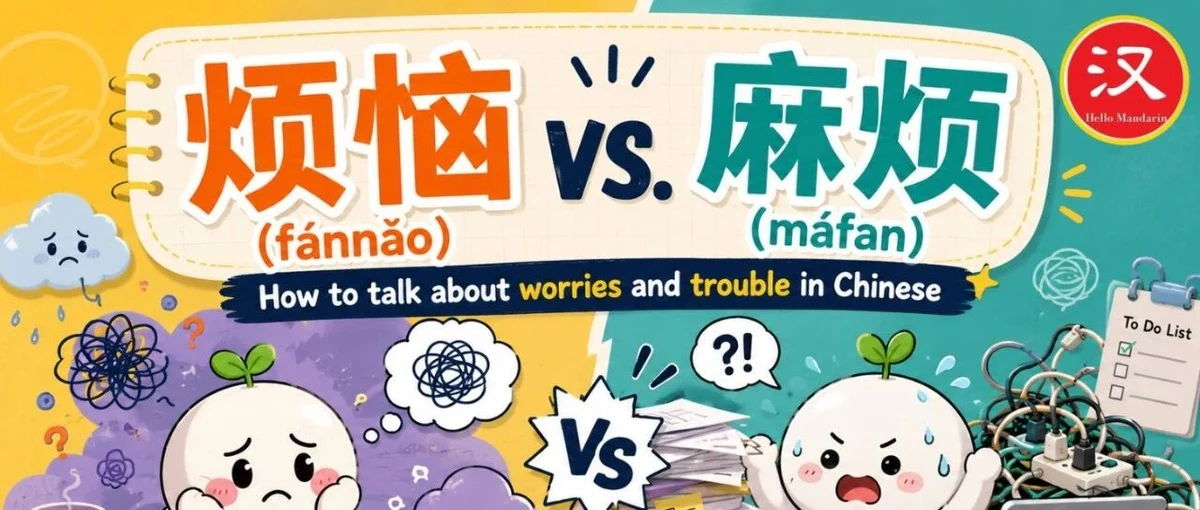
Many Chinese learners translate both 烦恼(fánnǎo) and 麻烦(máfan) as “trouble” or “problem.”
But in real Chinese, they are not used in the same way.
A simple way to remember:
烦恼(fánnǎo) = emotional worries or mental stress
麻烦(máfan) = practical trouble, inconvenience, or something that takes effort
One is more about your feelings.
The other is more about the situation.
Let’s look at the difference clearly. 😊
1. 烦恼 (fánnǎo): worries in your mind
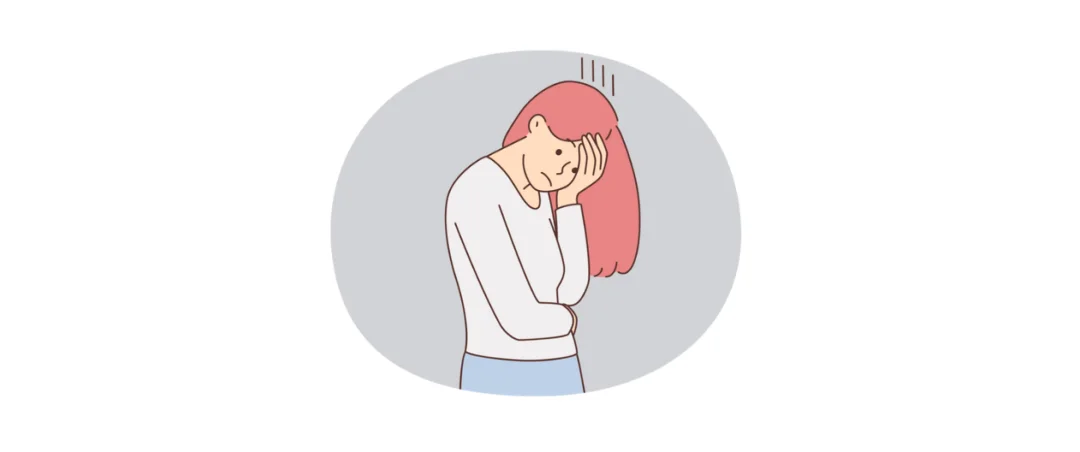
烦恼 usually refers to things that make you feel worried, upset, stressed, or emotionally troubled.
It is often connected with life pressure, relationships, study, work, money, or personal problems.
Common meaning
烦恼 = worry; emotional trouble; mental stress; something that bothers you inside
For example:
我最近有很多烦恼。
I have many worries recently.
生活中总会有一些烦恼。
There are always some worries in life.
考试让他很烦恼。
The exam makes him very worried.
她总是为钱的事情烦恼。
She is always worried about money.

2. Part of speech: how to use 烦恼
烦恼 is mainly used as a noun.
It can also be used like a verb, especially in the structure:
为 + something + 烦恼
to worry about something
烦恼 as a noun
我有很多烦恼。
I have many worries.
别给自己太多烦恼。
Don’t give yourself too many worries.
学习中文的时候,你最大的烦恼是什么?
When learning Chinese, what is your biggest worry?
烦恼 used like a verb
她为孩子的学习烦恼。
She worries about her child’s studies.
不要为小事烦恼。
Don’t worry about small things.
他最近一直为工作烦恼。
He has been worried about work recently.
Note: In modern Chinese, 烦恼 is very commonly used as a noun.
As a verb, it often appears with 为……烦恼.
For example, this is natural:
✅ 我为这个问题烦恼。
I am worried about this problem.
This is less natural:
❌ 我烦恼这个问题。
Wǒ fánnǎo zhège wèntí.
3. 麻烦 (máfan): practical trouble or inconvenience
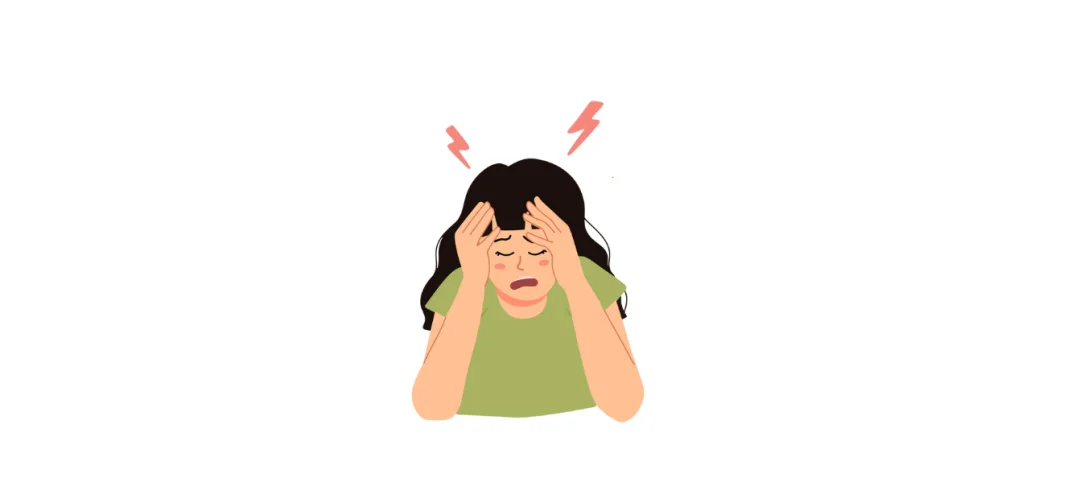
麻烦 usually refers to something inconvenient, troublesome, complicated, or annoying to deal with.
It is often about doing something, asking for help, solving a problem, or handling a situation.
Common meaning
麻烦 = troublesome; inconvenient; complicated; trouble; to trouble someone
For example:
这件事很麻烦。
This matter is troublesome.
搬家很麻烦。
Moving house is very troublesome.
这个手续太麻烦了。
This procedure is too complicated.
如果你遇到麻烦,可以告诉我。
If you run into trouble, you can tell me.
4. Part of speech: how to use 麻烦
麻烦 is more flexible than 烦恼.
It can be used as an adjective, a noun, or a verb.
麻烦 as an adjective
As an adjective, 麻烦 means “troublesome,” “inconvenient,” or “complicated.”
这个问题有点儿麻烦。
This problem is a little troublesome.
填这个表格很麻烦。
Filling out this form is troublesome.
办这个手续太麻烦了。
Going through this procedure is too troublesome.
麻烦 as a noun
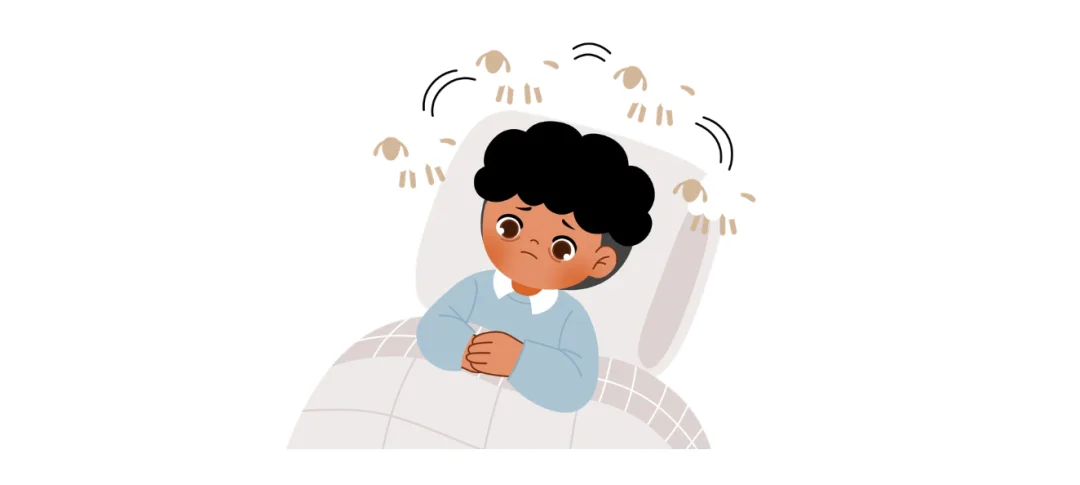
As a noun, 麻烦 means “trouble,” “problem,” or “difficulty.”
我遇到了一点儿麻烦。
I ran into a little trouble.
他最近有很多麻烦。
He has had many troubles recently.
别给别人找麻烦。
Don’t cause trouble for other people.
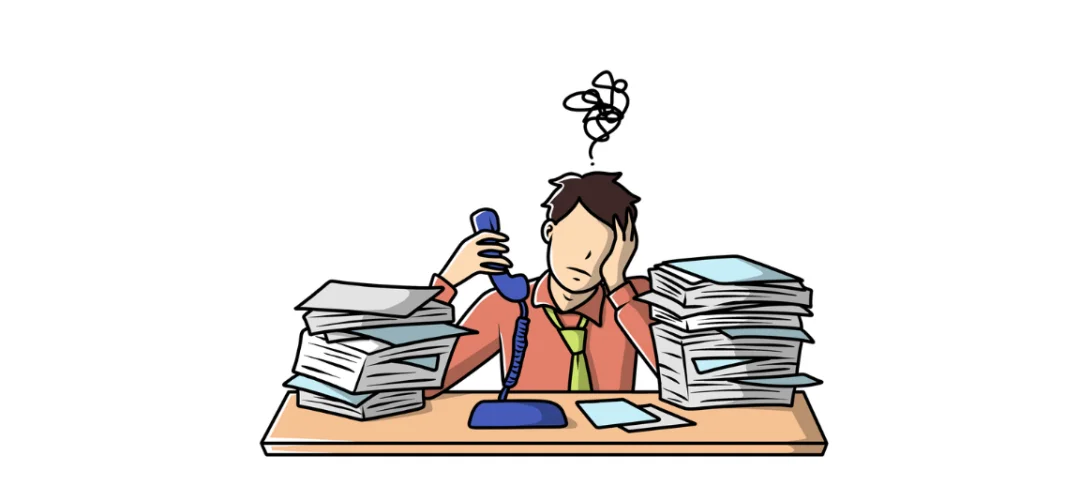
麻烦 as a verb
As a verb, 麻烦 means “to trouble someone” or “to bother someone.”
It is often used politely when asking someone for help.
不好意思,麻烦你帮我一下。
Sorry to trouble you. Could you help me?
今天又麻烦你了。
Sorry to trouble you again today. / Thanks for helping me again today.
A common structure is:
麻烦 + person + verb phrase
a polite way to ask someone to do something
For example:
麻烦你再说一遍。
Could you please say it again?
麻烦你帮我拍一张照片。
Could you please take a photo for me?
麻烦你把这个发给我。
Could you please send this to me?

Be careful:
❌ 烦恼你帮我一下。
This is wrong.
Because 烦恼 cannot be used to politely ask someone for help.
5. The key difference
烦恼 is mostly about how you feel inside.
It is more emotional.
麻烦 is mostly about the situation itself.
It is more practical.
Compare these two sentences:
我有很多烦恼。
I have many worries.
This means you feel stressed, worried, or emotionally troubled.
这个事情很麻烦。
This matter is troublesome.
This means the matter is difficult, inconvenient, or takes effort to deal with.
So:
烦恼 focuses more on emotional pressure.
麻烦 focuses more on practical difficulty.
6. Can we say “这个事情让我很烦恼”?
Yes, you can.
这个事情让我很烦恼。
This matter makes me feel very worried or upset.
Here, the focus is not only that the matter is difficult.
The focus is that it affects your feelings.
Compare:
这个事情很麻烦。
This matter is troublesome.
这个事情让我很烦恼。
This matter makes me feel troubled.
The first sentence describes the situation.
The second sentence describes your emotional reaction.

7. Be careful: 麻烦 is not every “problem”
Many learners use 麻烦 whenever they want to say “problem.”
But this is not always correct.
If you mean a question, an issue, or an academic problem, 问题 is usually better.
For example:
数学问题
a math problem
语法问题
a grammar question / grammar problem
一个重要的问题
an important issue
But when the problem is inconvenient, troublesome, or hard to deal with, 麻烦 can be used.
我遇到了一点儿麻烦。
I ran into a little trouble.
这件事处理起来很麻烦。
This matter is troublesome to handle.
So remember:
问题 = question / issue / problem
麻烦 = trouble / inconvenience / hassle
8. Useful word combinations
With 烦恼
生活中的烦恼
worries in life
很多烦恼
many worries
为……烦恼
to worry about…
感到烦恼
to feel troubled or worried
没有烦恼
to have no worries
With 麻烦
很麻烦
very troublesome
太麻烦了
too troublesome
麻烦你……
please… / could I trouble you to…
遇到麻烦
to run into trouble
找麻烦
to cause trouble / to make trouble
添麻烦
to cause extra trouble
9. Common mistakes
Mistake 1
❌ 我今天有一个麻烦,所以我心情不好。
Wǒ jīntiān yǒu yí ge máfan, suǒyǐ wǒ xīnqíng bù hǎo.
This sentence is understandable, but if you mean emotional worry, 烦恼 is more natural.
Better:
✅ 我今天有点儿烦恼,所以心情不好。
I feel a little troubled today, so I’m in a bad mood.
Or:
✅ 我今天有件事让我很烦恼。
Something is really bothering me today.
Mistake 2
❌ 这个表格让我很麻烦。
Zhège biǎogé ràng wǒ hěn máfan.
This is unnatural.
Better:
✅ 填这个表格很麻烦。
Filling out this form is troublesome.
Or:
✅ 这个表格让我很烦恼。
This form makes me feel stressed.
The first sentence focuses on the task.
The second sentence focuses on your feeling.
Mistake 3
❌ 烦恼你帮我一下。
Fánnǎo nǐ bāng wǒ yíxià.
This is wrong.
Correct:
✅ 麻烦你帮我一下。
Could you please help me?
Mistake 4
❌ 这个数学麻烦很难。
Zhège shùxué máfan hěn nán.
This is wrong if you mean “this math problem is difficult.”
Correct:
✅ 这个数学问题很难。
This math problem is difficult.
Use 问题 for questions, academic problems, or issues.
Use 麻烦 for trouble, inconvenience, or hassle.
10. Quick grammar summary
From the part-of-speech perspective, 烦恼 is mainly used as a noun and sometimes used like a verb. It usually describes emotional worries or mental stress.
麻烦 is more flexible. It can be used as an adjective, a noun, or a verb. It often describes something troublesome, inconvenient, complicated, or the act of politely troubling someone for help.
You can remember it like this:
烦恼
noun / verb-like use
main focus: emotional worry
麻烦
adjective / noun / verb
main focus: practical trouble or inconvenience
11. Quick memory trick
Think of it like this:
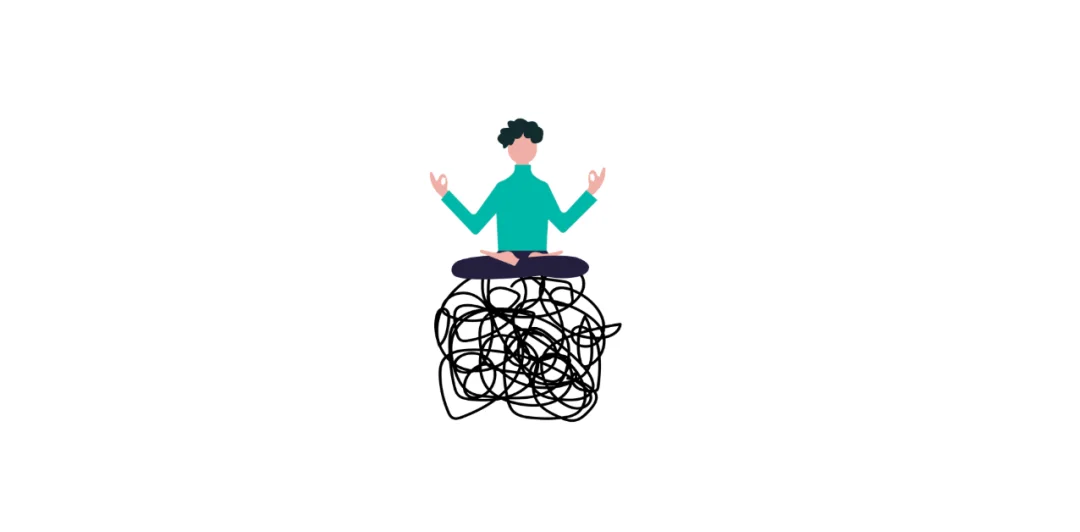
烦恼 lives in your heart and mind.
It is about stress, worries, and emotional trouble.
麻烦 lives in the real world.
It is about inconvenient tasks, complicated situations, and practical problems.
So:
I feel troubled.
→ 我很烦恼。
Wǒ hěn fánnǎo.
This is troublesome.
→ 这很麻烦。
Zhè hěn máfan.
Could you please help me?
→ 麻烦你帮我一下。
Máfan nǐ bāng wǒ yíxià.
Final Summary
烦恼 means worry, mental stress, or emotional trouble.
Use it when something bothers you emotionally.
麻烦 means troublesome, inconvenient, complicated, or trouble.
Use it when something is difficult to deal with, or when politely asking someone for help.
Next time you want to say “problem” in Chinese, ask yourself:
Is it a feeling in my mind?
Use 烦恼.
Is it something inconvenient, complicated, or hard to handle?
Use 麻烦.
Is it a question, issue, or academic problem?
Use 问题.
🌱