
到 (dào) is one of the most useful words in Chinese.
You may already know sentences like:
我到学校了。
I’ve arrived at school.
我们一直聊到半夜。
We kept talking until midnight.
我终于找到钥匙了。
I finally found the key.
The same character 到 appears in all three sentences, but its grammatical role is different.
The easiest way to understand these uses is to remember one central idea:
💡 到 is often connected with reaching a place, a point in time, or a result.
Let’s look at the most useful patterns.
1️⃣ 到 and Place: Reaching a Destination
When 到 is followed by a place, it often means to arrive at or to reach a destination.
Common Pattern
Subject + 到 + Place
Example 1
我每天八点到学校。
I arrive at school at eight every day.
Example 2
他们已经到北京了。
They have already arrived in Beijing.
📌 When talking about a completed arrival, 了 is often used:
我到家了。
I’m home. / I’ve arrived home.
到 + Place + 来 / 去
You can also use:
到 + Place + 来
or
到 + Place + 去
来 (lái) shows movement toward the speaker or another reference point.
去 (qù) shows movement away from that reference point.
Example 3
请到办公室来一下。
Please come to the office for a moment.
Example 4
他下个月要到广州去工作。
He is going to Guangzhou to work next month.
💡 In everyday Chinese, a simpler sentence such as 去广州工作 is also very common.
Going Somewhere to Do Something
When a place is followed by another action, Chinese can use:
Subject + 到 + Place + Verb Phrase
Example 5
周末我打算到图书馆学习。
I plan to go to the library to study this weekend.
Example 6
她每天早上都到公园跑步。
She goes to the park to run every morning.
Here, the verb phrase after the place explains what the person does at that destination.

2️⃣ 从……到……: From One Point to Another
The structure:
从……到……
cóng… dào…
means “from… to…”
It is commonly used with both time and place.
From One Time to Another
Pattern
从 + Time A + 到 + Time B
Example 1
我从早上九点工作到下午五点。
I work from 9 a.m. to 5 p.m.
Example 2
从小学到大学,他一直在上海上学。
From primary school through university, he studied in Shanghai.
💡 The two points do not have to be exact clock times. They can also be periods, stages, or events.
From One Place to Another
Pattern
从 + Place A + 到 + Place B
Example 3
从我家到地铁站只要五分钟。
It only takes five minutes from my home to the subway station.
Example 4
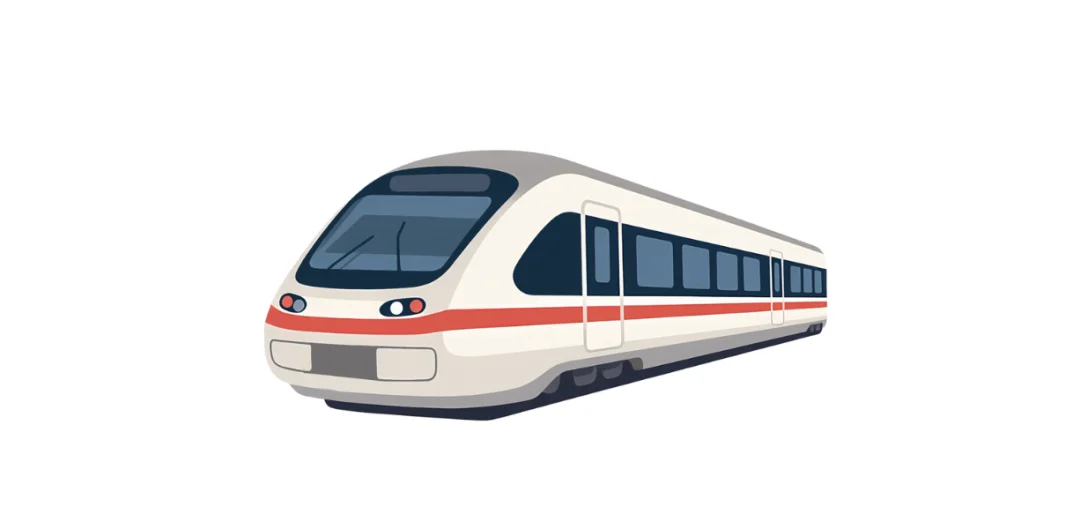
我们从北京坐火车到西安。
We take the train from Beijing to Xi’an.
📌 In this structure, 从 marks the starting point, while 到 marks the endpoint.
3️⃣ Verb + 到 + Time/Event: Doing Something Until…
到 can mark the time or event at which an action stops.
Common Pattern
Subject + (一直) + Verb + 到 + Time / Event
一直 (yìzhí) can be added to emphasize that the action continues without interruption.
Example 1
我们一直聊到半夜。
We kept talking until midnight.
Example 2
他昨天工作到晚上十点才回家。
He worked until 10 p.m. before going home.
Example 3
昨天我一直学到很晚。
I studied until very late yesterday.
A Note About Verb-Object Expressions
With some verb-object expressions, the verbal part is often repeated before 到.
Example 4
我们聊天聊到凌晨两点。
We chatted until 2 a.m.
Example 5
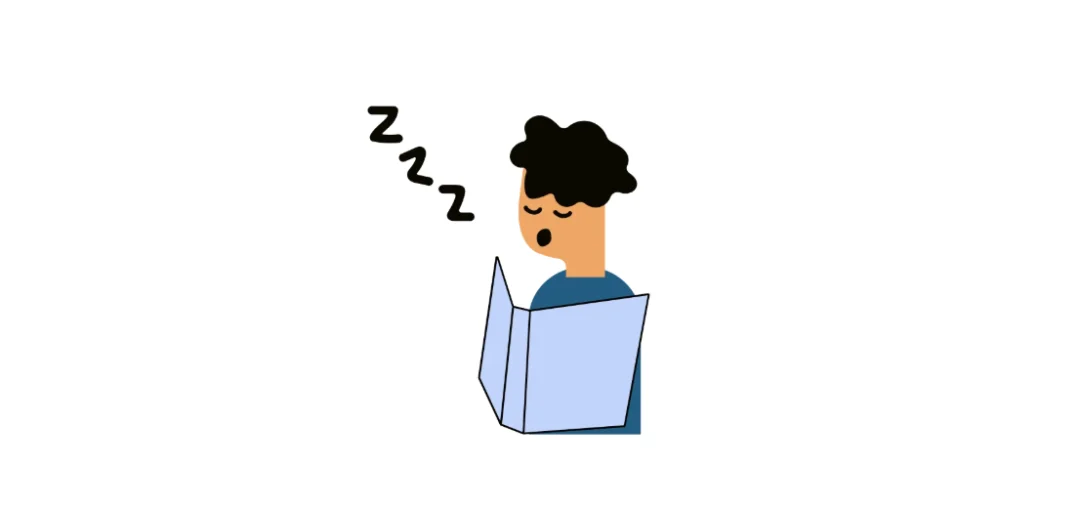
她看书看到睡着了。
She read until she fell asleep.
📌 This does not mean that every multi-syllable verb must repeat its first character.
The repetition in structures such as 聊天聊到 and 看书看到 is connected with the internal verb-object structure of these expressions.
4️⃣ 直到……才……: Not Until…
直到 (zhídào) introduces a time or event that acts as an endpoint.
A very common pattern is:
直到 + Time / Event,Subject + 才 + Verb
This is often translated as:
👉 not until…
👉 only when…
👉 it was not until… that…
Example 1
直到晚上十一点,他才下班。
He didn’t finish work until 11 p.m.
Example 2
我直到老师解释以后才明白。
I didn’t understand until the teacher explained it.
💡 直到……才…… emphasizes that the action in the second part did not happen before the stated point.
Depending on context, the sentence may suggest that something happened later than expected, but 直到 itself does not automatically mean “too late.”
Negative Situations with 直到
To show that a negative situation continues up to a certain point, Chinese often uses 还没, 都没, or 都不 with 直到.
Example 3
直到电影结束,他还没回来。
He still hadn’t come back by the time the movie ended.
Example 4
直到昨天,我都不知道这件事。
I didn’t know about this until yesterday.
📌 In this type of sentence, do not translate 都 mechanically as “all.” The whole structure emphasizes that the negative situation continued up to the stated point.
5️⃣ Verb + 到: Reaching a Result
Another very common use of 到 is as a result complement.
After certain verbs, 到 shows that the action reaches or produces a result.
Common combinations include:
找到 (zhǎodào) — to find
看到 (kàndào) — to see
听到 (tīngdào) — to hear
买到 (mǎidào) — to manage to buy / to get
收到 (shōudào) — to receive
Example 1
我终于找到钥匙了。
I finally found the key.
Example 2
刚才我看到你的老师了。
I saw your teacher just now.
Example 3
对不起,我没听到你说什么。
Sorry, I didn’t hear what you said.
Example 4
我终于买到票了!
I finally managed to get a ticket!
💡 Here, 到 is not marking a place or a time. It shows the result of the action.
🔍 Compare These Three Sentences
我到学校了。
I’ve arrived at school.
📍 到 + Place → reaching a destination
我们聊到半夜。
We talked until midnight.
⏰ Verb + 到 + Time → reaching an endpoint in time
我终于听到他的声音了。
I finally heard his voice.
🎯 Verb + 到 → the action reaches a result
The character is the same, but the grammatical role depends on the structure around it.
✅ Quick Review
Remember these five useful patterns:
📍 到 + Place
→ arrive at or move toward a destination
➡️ 从 A 到 B
→ from one point to another
⏰ Verb + 到 + Time/Event
→ continue an action until a certain point
⌛ 直到……才……
→ not until…
🎯 Verb + 到
→ an action reaches or produces a result
The key idea behind many uses of 到 (dào) is simple:
a movement, action, or period reaches a certain point.
Once you understand this central idea, sentences with 到 become much easier to analyze and remember. 😊