
In Chinese, 干脆 (gāncuì) and 直接 (zhíjiē) can both sometimes be translated as “just” in English.
But they are not the same.
The key difference is:
干脆 = making a clear and practical decision, often because another option feels troublesome, unnecessary, or not worth it.
直接 = doing something directly, without extra steps, delay, or indirectness.
Let’s make it simple. 😊
1. What does 干脆 mean?
干脆 means “simply,” “just,” or “might as well.”
It often shows that the speaker has made a decisive and practical choice.
The speaker may feel that another option is too troublesome, too slow, or not necessary.
It often has this feeling:
“This is too troublesome. Let’s just do this instead.”
Pattern
干脆 + Verb Phrase
Examples
我们别等了,干脆打车去吧。
Let’s stop waiting. Let’s just take a taxi.
Here, 干脆 shows a practical decision after waiting feels inconvenient.
今天太累了,我干脆不做饭了。
I’m too tired today, so I’ll just skip cooking.
The speaker decides not to cook because cooking feels tiring or troublesome.
既然你不喜欢这家餐厅,我们干脆换一家吧。
Since you don’t like this restaurant, let’s just change to another one.
干脆 is often used when giving a practical suggestion.
2. What does 直接 mean?
直接 means “directly,” “straight,” or “without going through other steps.”
It focuses on how an action is done.
It often has this feeling:
“No extra step. No middle part. Just do it directly.”
Pattern
直接 + Verb Phrase
Examples
你直接给他发消息吧。
Just message him directly.
This means: don’t ask someone else, don’t wait, just contact him yourself.
请直接回答我的问题。
Please answer my question directly.
Here, 直接 means “don’t avoid the question.”
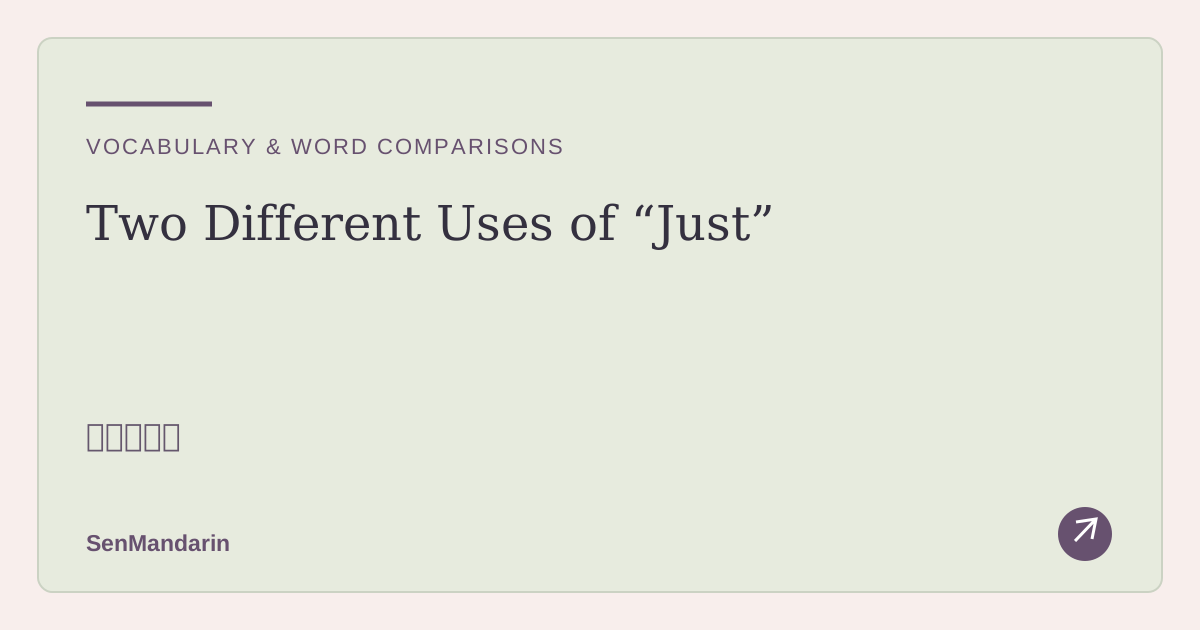
下课以后,我直接回家了。
After class, I went straight home.
This means the speaker did not go anywhere else first.
3. The main difference
干脆 focuses on the decision
Use 干脆 when the speaker decides to do something because it feels simpler, easier, or more practical.
太麻烦了,我们干脆放弃吧。
It’s too troublesome. Let’s just give up.
The focus is the decision:
“Let’s not continue.”
直接 focuses on the action or process
Use 直接 when something happens without delay, without extra steps, or without being indirect.
太麻烦了,我们直接取消吧。
It’s too troublesome. Let’s cancel it without taking any further steps.
The focus is the action:
Cancel it right away, without trying other steps first.

4. Compare these two sentences
我直接回家了。
Wǒ zhíjiē huí jiā le.
I went straight home.
This means I did not stop anywhere else.
我干脆回家了。
Wǒ gāncuì huí jiā le.
I decided to just go home.
This means something made me choose to go home.
Maybe I was tired, bored, or had no better option.
So remember:
直接回家 = go straight home
干脆回家 = decide to just go home
5. Can we use 干脆 and 直接 together?
Yes. Sometimes 干脆 and 直接 can appear in the same sentence.
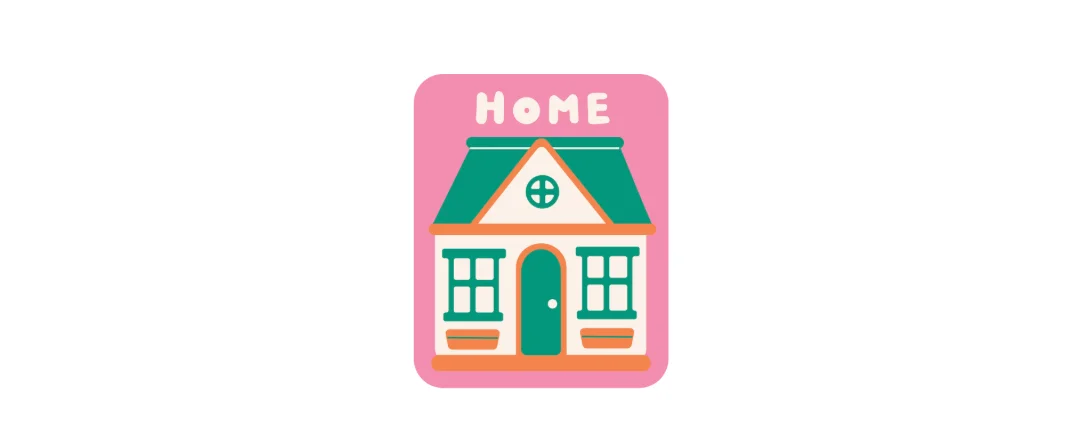
太晚了,我们干脆直接回家吧。
It’s too late. Let’s just go straight home.
Here:
干脆 = the decision
直接 = the action
So the sentence means:
Let’s simply make this decision: go straight home without doing anything else.
This is very natural in spoken Chinese. 👍
6. A common learner mistake
Many students use 干脆 whenever they want to say “directly.”
But this is not always correct.
Example
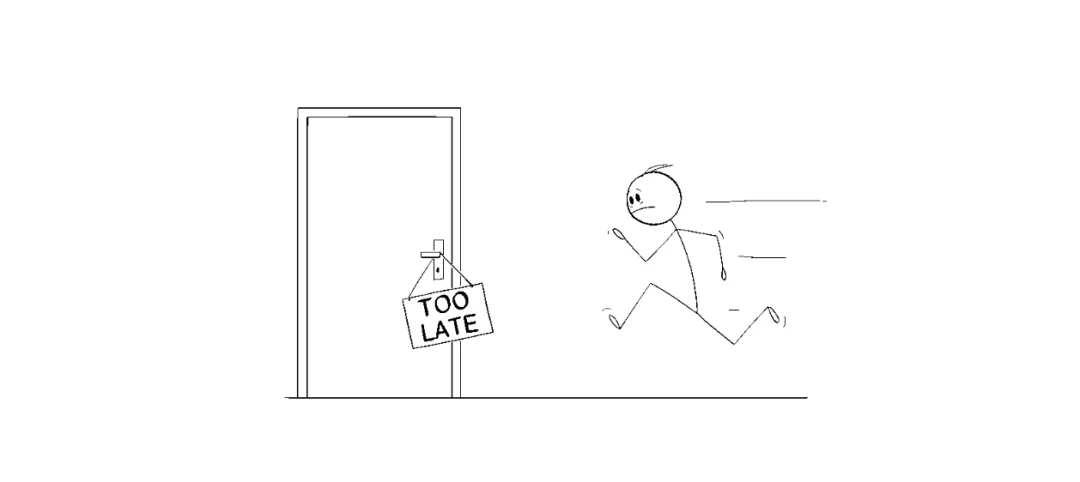
△ 我干脆去学校了。
I decided to just go to school.
This sentence is grammatically possible, but it needs a reason or special context.
For example:
在家太无聊了,我干脆去学校了。
I was too bored at home, so I decided to just go to school.
Here, 干脆 is natural because the speaker makes a decision.
But if you simply mean “I went directly to school,” you should say:
我直接去学校了。
I went directly to school.
7. More useful examples
如果你不想去,我们干脆在家看电影吧。
If you don’t want to go, let’s just watch a movie at home.
不用解释了,你直接告诉我结果吧。
No need to explain. Just tell me the result directly.
天气这么差,我们干脆改天再去吧。
The weather is so bad. Let’s just go another day.
他没有坐电梯,直接走楼梯上楼了。
He didn’t take the elevator. He went straight upstairs by taking the stairs.
这个问题太复杂了,我们干脆问老师吧。
This question is too complicated. Let’s just ask the teacher.
你不用找别人转告他,可以直接给他打电话。
You don’t need to pass the message through someone else. You can call him directly.
8. Quick summary
Use 干脆 when you want to show a clear decision.
太麻烦了,干脆别去了。
It’s too troublesome. Let’s just not go.
Use 直接 when you want to show a direct action.
你直接问老师吧。
Ask the teacher directly.
A simple way to remember:
干脆 = “Let’s simply choose this.”
直接 = “Do it directly, without extra steps.”
Once you understand this difference, your Chinese will sound much more natural. ✨