
Have you ever been confused by something, and then suddenly discovered the reason?
That is the perfect moment to say:
怪不得!
No wonder!
This small expression is very common in everyday Chinese. Once you understand the feeling behind it, it becomes surprisingly easy to use. 💡
01 What Does 怪不得 Mean?
怪不得 (guài bù de) usually means:
no wonder
that explains it
that explains why
The important idea is realization.
Something seemed surprising or unclear.
Then you discover the reason.
Suddenly, it makes sense.
Example
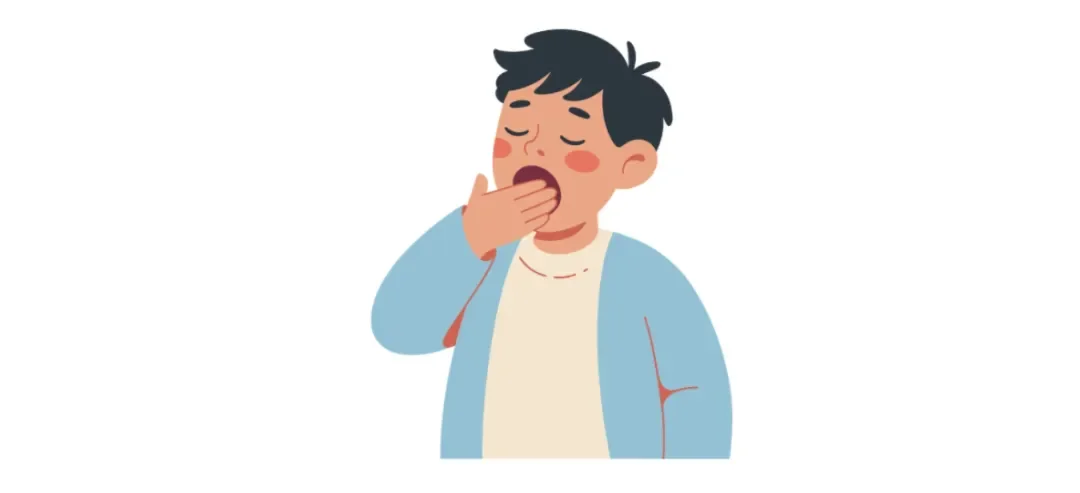
他昨天晚上三点才睡,怪不得他今天这么困。
He didn’t go to bed until 3 a.m. last night. No wonder he’s so tired today.
Now you know why he is tired.
That “Ah, now it makes sense!” feeling is exactly what 怪不得 expresses.
02 Pattern 1: Reason + 怪不得 + Result
Sometimes you hear the reason first.
Then you realize that the result is not surprising.
Example
她每天都练习汉语,怪不得她说得这么好。
She practices Chinese every day. No wonder she speaks it so well.
Another example:
他昨天没吃晚饭,怪不得现在这么饿。
He didn’t eat dinner yesterday. No wonder he’s so hungry now.
Think:
Reason → Ah! → Now the result makes sense.

03 Pattern 2: 怪不得 + Result,原来 + Reason
This is one of the most useful patterns to remember:
怪不得 + Result,原来 + Reason
You notice something first, and then discover the explanation.
Example
怪不得你汉语说得这么好,原来你在中国住过五年。
No wonder your Chinese is so good. It turns out you lived in China for five years.
Another example:
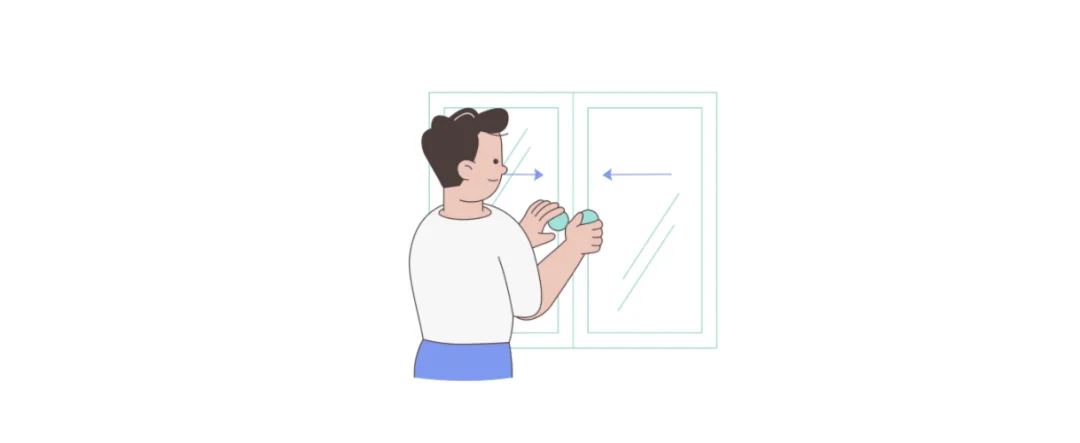
怪不得屋里这么冷,原来窗户没关。
No wonder it’s so cold in here. It turns out the window is open.
💡 原来 introduces the newly discovered information.
怪不得 shows your reaction to it.
They work very naturally together.
04 You Can Simply Say 怪不得!
Sometimes the situation is already clear, so you don’t need a complete sentence.
Conversation
A:他昨天晚上工作到三点。
He worked until 3 a.m. last night.
B:怪不得!
No wonder!
Maybe you saw him looking exhausted earlier.
Now you finally know why. 😄
05 怪不得 Is Not the Same as 所以
This difference is important.
所以 (suǒyǐ)
shows a normal cause-and-effect relationship:
because of this → so…
怪不得 (guài bù de)
shows a realization:
Oh! Now I understand why.
Compare:
他生病了,所以今天没来。
He’s sick, so he didn’t come today.
This simply gives the reason and result.
Now compare:
原来他生病了,怪不得今天没来。
Oh, he’s sick. No wonder he didn’t come today.
Here, the speaker has just discovered the explanation.
🔑 Remember:
所以 = so / therefore
怪不得 = no wonder / now it makes sense

06 What About 难怪 (nánguài)?
You will also hear:
难怪
no wonder
When 怪不得 means “no wonder,” 难怪 can usually be used in the same situation.
For example:
他每天都运动,怪不得身体这么好。
He exercises every day. No wonder he’s so healthy.
You can also say:
他每天都运动,难怪身体这么好。
He exercises every day. No wonder he’s so healthy.
For most learners, this is enough to remember:
👉 怪不得 ≈ 难怪 = no wonder

07 Be Careful: 怪不得 Can Have Another Meaning
Look at these two sentences:
怪不得他今天没来。
Guài bù de tā jīntiān méi lái.
No wonder he didn’t come today.
Here, 怪不得 means “no wonder.”
But now look at:
这件事怪不得他。
Zhè jiàn shì guài bù de tā.
You can’t blame him for this.
Here, 怪不得 means “cannot blame.”
The same three characters appear, but the sentence structure and meaning are different.
A useful shortcut:
怪不得 + situation
→ no wonder
怪不得 + person
→ cannot blame someone
Context usually makes the meaning clear.
08 One Common Mistake
Don’t use 怪不得 simply because you want to say “so.”
For example:
❌ 我饿了,怪不得我想吃饭。
If you simply mean:
“I’m hungry, so I want to eat,”
say:
✅ 我饿了,所以我想吃饭。
I’m hungry, so I want to eat.
Use 怪不得 when there is an extra feeling of discovery:
💭 “I was wondering why…”
↓
💡 “Oh! Now I understand.”
Try It
Your friend says:
我昨天只睡了三个小时。
I only slept for three hours last night.
You notice that your friend looks exhausted.
What could you say?
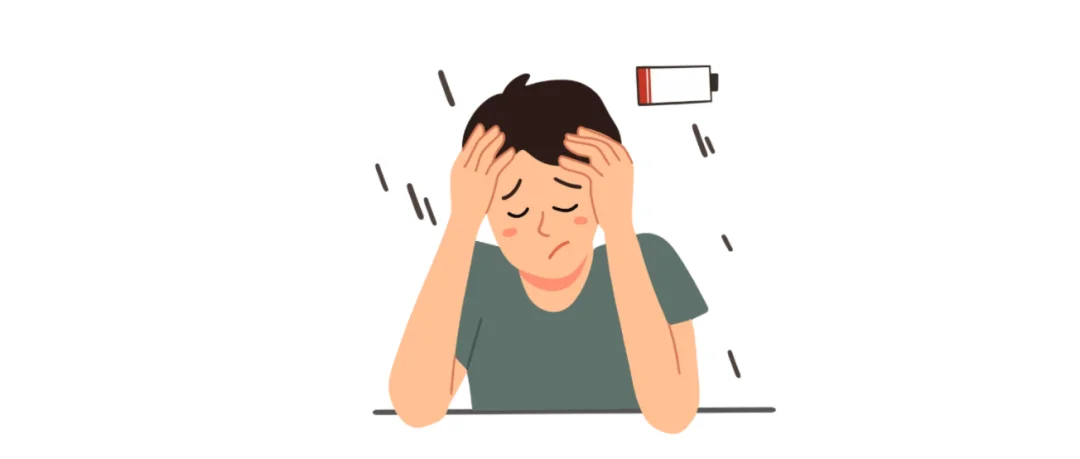
✅ 怪不得你这么累!
No wonder you’re so tired!
Perfect. 👏
Final Tip
Don’t memorize 怪不得 as just another vocabulary item.
Remember the feeling:
Something seems strange.
↓
You discover the reason.
↓
💡 怪不得!
Now it makes sense.