

When beginners start learning Chinese, one word appears everywhere: 很 (hěn). Many students learn that 很 means “very.” However, in real Chinese grammar, 很 does much more than simply mean “very.”
In many sentences, 很 doesn’t actually add strong meaning at all—it often appears before a gradable adjective in a neutral description. This often surprises learners.
In this guide, we will clearly explain the two major functions of 很, how it works in real sentences, and how to use it naturally like native speakers. 😊
1️⃣ 很 with Adjective Predicates
One of the most important grammar rules in Chinese is that adjectives can function as predicates.
Unlike English, Chinese usually does NOT place 是 (shì) before adjectives.
Instead, we normally insert 很 between the subject and the adjective.
In a neutral description, unstressed 很 often adds little emphasis. It is still a degree adverb, and it can mean “very” when the context or stress calls for it.
Think of it as a neutral sentence smoother rather than an intensifier.
Structure:
Subject + 很 + Adjective
Examples:
这个菜很好吃。
This dish is delicious.
我很忙。
I am busy.
老师很帅。
The teacher is handsome.
今天天气很好。
The weather is good today.

In these sentences, 很 does not strongly mean “very.”
The English translation may simply use “is/are”, but Chinese adjectives can serve as predicates without a copula.
So 我很忙 usually means “I’m busy,” not necessarily “I’m very busy.”
2️⃣ Why 很 Is Often Needed in Chinese
Many learners try to say:
我忙
他高
天气好
These sentences are not wrong, but they often sound incomplete or comparative in conversation.
For example:
我忙。
This can sound like “I’m busy (compared to others)” or “I’m busy right now.”
So Chinese speakers usually add 很 to make the statement neutral and natural.
✔ 我很忙。
I’m busy.
✔ 他很高。
He is tall.
✔ 这个地方很漂亮。
This place is beautiful.

3️⃣ When 很 Really Means “Very”
In some contexts, 很 does keep its original meaning of “very” or “really.”
This usually happens when you want to emphasize feelings, emotions, or personal attitudes.
Structure:
Subject + 很 + Verb / Adjective
In these cases, 很 clearly expresses degree or intensity.
Examples:
我很喜欢中国菜。
I really like Chinese food.
我很担心她。
I am very worried about her.
我很想去北京。
I really want to go to Beijing.
我很高兴见到你。
I am very happy to see you.
Here, 很 clearly adds emotional strength.

4️⃣ Common Verbs That Often Use 很
Some verbs naturally combine with 很 to express feelings or attitudes.
Common examples include:
想 (xiǎng) — to want / to miss
喜欢 (xǐhuan) — to like
高兴 (gāoxìng) — to be happy
怕 (pà) — to be afraid
担心 (dānxīn) — to worry
讨厌 (tǎoyàn) — to dislike
希望 (xīwàng) — to hope
愿意 (yuànyì) — to be willing
了解 (liǎojiě) — to understand well
Examples:
我很喜欢看电影。
I really like watching movies.
她很怕狗。
She is very afraid of dogs.
我很了解他。
I know him very well.

5️⃣ Important Grammar Tip: 很 vs 是
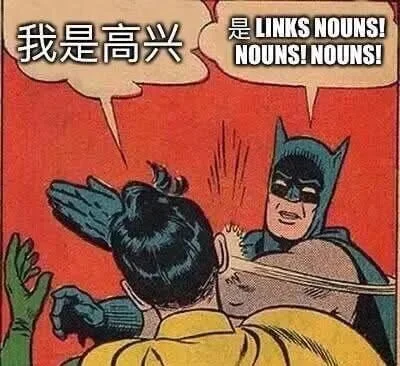
Another common beginner mistake is using 是 before adjectives.
Remember this rule:
In a basic neutral description, an adjective usually serves as the predicate directly; 是 is not needed as an English-style linking verb. Emphatic patterns such as 是……的 are a different use.
Correct examples:
他是学生。
He is a student.
她是老师。
She is a teacher.
For a neutral positive description with a gradable adjective, 很 + adjective is a useful beginner pattern. Other contexts can use a bare adjective, negation or another degree adverb.
✔ 他很高。
He is tall.
❌ 他是高
6️⃣ A Useful Learning Tip for Beginners 🎯
If you want to sound natural in Chinese, remember this simple pattern:
Subject + 很 + Adjective
For example:
我很好。
I’m good.
这家餐厅很好。
This restaurant is good.
这个老师很好。
This teacher is good.
Once you become more advanced, you will learn other degree adverbs such as:
非常 (fēicháng) — extremely
特别 (tèbié) — especially
真 (zhēn) — really
太 (tài) — too / extremely
But 很 is the most common and safest choice for beginners. 👍
📌 Final Summary
Let’s review the key points:
1️⃣ In “Subject + Adjective” sentences, 很 usually does NOT mean “very.”
Unstressed 很 often adds little emphasis before a gradable adjective.
2️⃣ 很 helps make descriptions sound natural in Chinese.
3️⃣ When used with emotional verbs, 很 can truly mean “very,” “really,” or “quite.”
4️⃣ In a basic neutral description, use the adjective as the predicate; 很 is a common modifier.
Understanding how 很 (hěn) works is a major step toward sounding natural in Chinese conversations.
Once you master this small but powerful word, your Chinese will immediately feel more fluent and more native-like! 🚀