
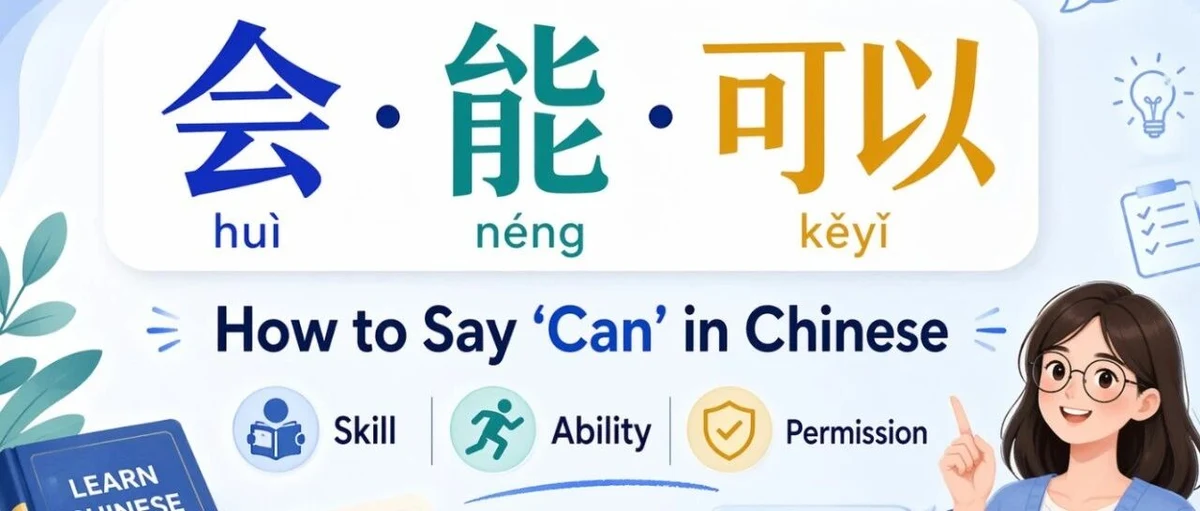
Many Chinese learners translate 会 (huì), 能 (néng), and 可以 (kěyǐ) as “can.”
But in Chinese, they are not exactly the same.
The key question is:
Are you talking about skill, ability/condition, or permission?
Let’s make it clear. ✨
1. 会 (huì): “can” because you have learned the skill
会 (huì) is used when someone has learned how to do something.
It often means “know how to.”
Use 会 for learned skills, such as languages, swimming, driving, cooking, playing instruments, etc.
Structure
Subject + 会 + Verb / Verb Phrase
Examples
我会说中文。
I can speak Chinese. / I know how to speak Chinese.
他会开车。
He can drive. / He knows how to drive.
你会做中国菜吗?
Can you cook Chinese food?
我不会游泳。
I can’t swim. / I don’t know how to swim.
2. 能 (néng): “can” because you are able to do it
能 (néng) focuses on real ability, physical condition, mental capacity, or whether the situation allows something to happen.
It often answers the question:
“Are you able to do it now or under these conditions?”
Structure
Subject + 能 + Verb / Verb Phrase
Examples
我今天很忙,不能去。
I’m busy today, so I can’t go.
你能帮我一下吗?
Can you help me for a moment?
他病了,不能上课。
He is sick, so he can’t attend class.
这里太吵了,我不能学习。
It is too noisy here. I can’t study.
3. 可以 (kěyǐ): “can” because it is allowed or acceptable
可以 (kěyǐ) usually means “may,” “be allowed to,” or “it is okay to do something.”
It is often used for permission, requests, suggestions, and acceptable options.
Structure
Subject + 可以 + Verb / Verb Phrase
Examples
我可以进来吗?
May I come in?
这里可以拍照吗?
Can we take photos here? / Is it allowed to take photos here?
你可以先休息一下。
You can rest for a while first.
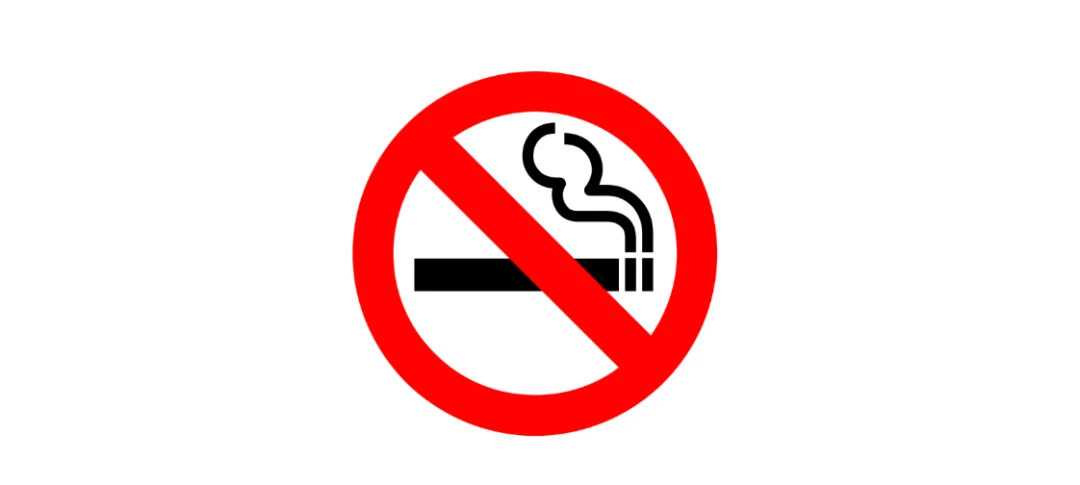
这里不可以抽烟。
Smoking is not allowed here.
4. The most important comparison: 会 vs 能 vs 可以
Look at this sentence:
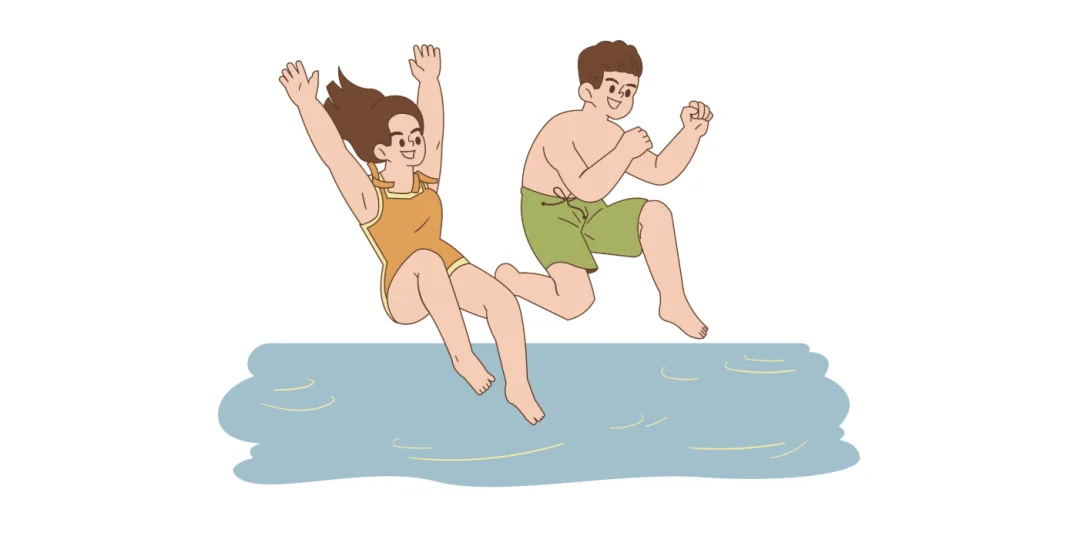
我会游泳。
Wǒ huì yóuyǒng.
I can swim.
Meaning: I have learned swimming. I know how to swim.
我能游泳。
Wǒ néng yóuyǒng.
I can swim.
Meaning: I am physically able to swim now, or the situation allows me to swim.
我可以游泳。
Wǒ kěyǐ yóuyǒng.
I can swim.
Meaning: I am allowed to swim.
So the verb is the same, but the meaning changes.
5. 会 can also mean “will” or “probably will”
Besides learned skills, 会 (huì) can also show future possibility or expectation.
In this use, 会 does not mean “know how to.”
It means something is likely to happen.
Examples
明天会下雨。
It will probably rain tomorrow.
他会来的。
He will come.
别担心,一切都会好的。
Don’t worry. Everything will be fine.
6. Practical speaking guide
When you want to say “can” in Chinese, ask yourself three questions:
1. Is it a learned skill?
Use 会.
我会弹钢琴。
I can play the piano.
2. Is it about real ability or conditions?
Use 能.
我现在能听懂一点中文。
I can understand a little Chinese now.
3. Is it about permission or whether something is okay?
Use 可以.
我可以用你的手机吗?
Can I use your phone?
7. More useful examples
你会写汉字吗?
Can you write Chinese characters?
这个字我会读,但是不会写。
I can read this character, but I can’t write it.
你现在能听清楚吗?
Can you hear clearly now?
我太累了,不能继续学习了。
I’m too tired. I can’t continue studying.
考试的时候可以用词典吗?
Can we use a dictionary during the exam?
你可以坐在这里。
You can sit here.
8. Quick Summary
Use 会 (huì) when you mean “know how to do something.”
Use 能 (néng) when you mean “be able to do something because of ability, condition, or situation.”
Use 可以 (kěyǐ) when you mean “be allowed to do something” or “it is okay to do something.”
One simple sentence to remember:
会 = skill
能 = ability or condition
可以 = permission or option
Once you understand this difference, Chinese “can” becomes much easier.