Chinese learners often confuse 尽管 and 不管 because both can connect two parts of a sentence, and both often appear before another clause. But their meanings are not the same.
The good news: once you understand the core logic, the difference becomes much clearer. 🌟
In this guide, we will look at:
1. What 尽管 means
2. What 不管 means
3. Their similarities
4. Their differences
5. Common mistakes
6. Easy comparison examples
1. What does 尽管 mean?
尽管 (jǐnguǎn) usually means although / even though / despite the fact that.
It introduces a real fact or a situation that should normally lead to one result, but the speaker then gives a different or unexpected result.
A very common pattern is:
尽管……,还是……
尽管……,仍然……
尽管……,依然……
Examples
尽管他很忙,还是来参加会议了。
Although he was very busy, he still came to the meeting.
尽管天气不好,我们还是出去了。
Although the weather was bad, we still went out.
尽管这道题很难,她仍然做对了。
Although this question was difficult, she still got it right.
Key idea of 尽管
With 尽管, the first part is usually a fact, and the second part shows a result that happens in spite of that fact.
So the feeling is:
“Although X is true, Y still happens.”

2. What does 不管 mean?
不管 (bùguǎn) usually means no matter / regardless of.
It shows that different conditions do not affect the result. The speaker wants to say that the result is the same in every case.
A very common pattern is:
不管……,都……
不管……,也……
It is also very often used with question words:
不管谁 = no matter who
不管什么 = no matter what
不管哪儿 / 哪里 = no matter where
不管什么时候 = no matter when
不管怎么 = no matter how
Examples
不管天气好不好,我们都要出门。
No matter whether the weather is good or bad, we are going out.
不管谁来,我都欢迎。
No matter who comes, I welcome them.
不管你怎么说,我都不会改变决定。
No matter how you say it, I will not change my decision.
不管什么时候,你都可以给我发消息。
No matter when, you can message me.
Key idea of 不管
With 不管, the speaker is talking about different possibilities or conditions, but the result remains the same.
So the feeling is:
“No matter what happens, Y is still true.”

3. What do 尽管 and 不管 have in common?
Both 尽管 and 不管 are used to connect clauses, and both can show that the second part of the sentence is not changed by the first part.
That is why learners sometimes feel they are similar.
For example:
尽管下雨了,我们还是去了。
Although it rained, we still went.
不管下不下雨,我们都去。
No matter whether it rains or not, we will go.
In both sentences, rain does not change the result.
But the grammar logic is different.

4. What is the difference between 尽管 and 不管?
This is the most important part. ✅
A. 尽管 = although / even though
It talks about a real fact.
There is often a feeling of contrast or concession.
Example:
尽管他不喜欢咖啡,还是喝了一杯。
Although he doesn’t like coffee, he still drank a cup.
Here, “he doesn’t like coffee” is a fact.

B. 不管 = no matter / regardless of
It talks about different possibilities, choices, or conditions.
The focus is on the idea that the result does not change.
Example:
不管你喝茶还是喝咖啡,我都可以。
No matter whether you drink tea or coffee, I’m fine.
Here, the speaker is not talking about one fact.
They are talking about all possible choices.

5. A very simple way to remember the difference
You can remember it like this:
尽管 = Although this is true…
It introduces a fact.
不管 = No matter which one / what happens…
It introduces different possibilities.
That is the core difference.
6. Compare these pairs
Pair 1
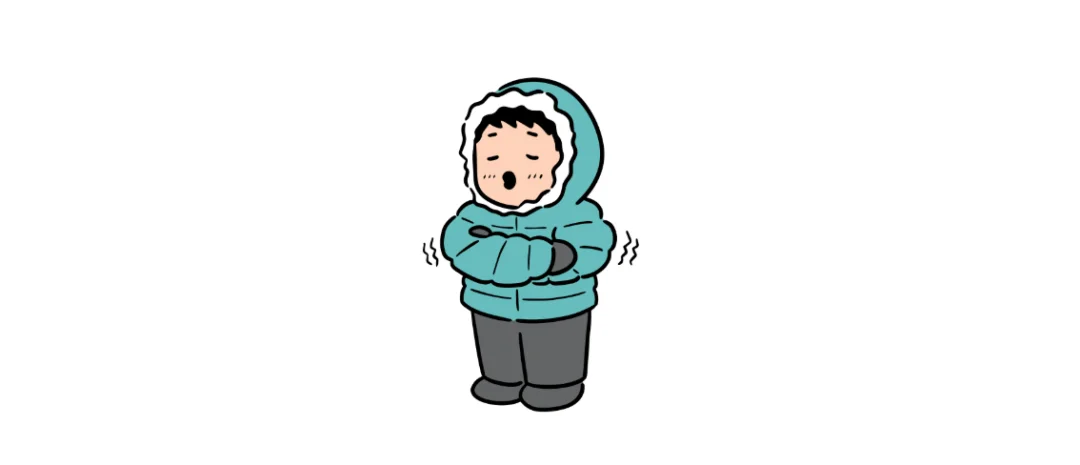
尽管今天很冷,我们还是去跑步了。
Although it was cold today, we still went jogging.
不管今天冷不冷,我们都要去跑步。
No matter whether it is cold today or not, we will go jogging.
Difference
The first sentence talks about a fact: today was cold.
The second sentence talks about possible conditions: cold or not cold.
Pair 2
尽管他没经验,还是被录取了。
Although he had no experience, he was still accepted.
不管有没有经验,只要认真学,就有机会成功。
No matter whether you have experience or not, if you study seriously, you have a chance to succeed.
Difference
The first sentence describes one true situation.
The second sentence includes all cases.

7. Common sentence patterns
Patterns with 尽管
尽管 + fact, 还是 / 仍然 / 依然 + result
Examples:
尽管路很远,大家还是按时到了。
Although the road was far, everyone still arrived on time.
尽管他已经解释了很多次,我还是不太明白。
Although he has explained it many times, I still do not quite understand.

Patterns with 不管
不管 + condition / question word, 都 / 也 + result
Examples:
不管工作多忙,她都会陪孩子吃晚饭。
No matter how busy work is, she always has dinner with her child.
不管你在哪儿,我都会支持你。
No matter where you are, I will support you.
不管什么问题,你都可以问我。
No matter what question it is, you can ask me.

8. Common mistakes learners make
Mistake 1: Using 尽管 for “no matter”
❌ 尽管谁来,我都欢迎。
This is not natural here.
✅ 不管谁来,我都欢迎。
No matter who comes, I welcome them.
Why?
Because 谁来 means “whoever comes / no matter who comes,” so you need 不管, not 尽管.

Mistake 2: Using 不管 for “although”
❌ 不管他很累,他还是继续工作。
This is wrong.
✅ 尽管他很累,他还是继续工作。
Although he was tired, he still continued working.
Why?
Because “he is tired” is a fact, not a list of possible conditions.
Mistake 3: Forgetting 都 / 也 after 不管
In many sentences, 不管 is naturally followed by 都 or 也 in the second clause.
✅ 不管别人怎么想,我都要试一试。
No matter what others think, I still want to try.
This pattern sounds much more complete and natural.

9. Quick comparison chart in words
Use 尽管 when you mean:
although
even though
despite the fact that
Use 不管 when you mean:
no matter
regardless of
whether… or not
10. Final takeaway
Here is the easiest way to keep them apart:
尽管 = the first part is a fact
不管 = the first part is a range of possibilities
So:
尽管……还是…… = Although…, still…
不管……都…… = No matter…, still…
Once you notice whether the sentence is talking about a fact or different possibilities, choosing the right word becomes much easier. 🎯
11. One last contrast to remember
尽管他今天很忙,他还是来了。
Although he was busy today, he still came.
不管他今天忙不忙,他都得来。
No matter whether he is busy today or not, he has to come.
This pair shows the difference perfectly.