
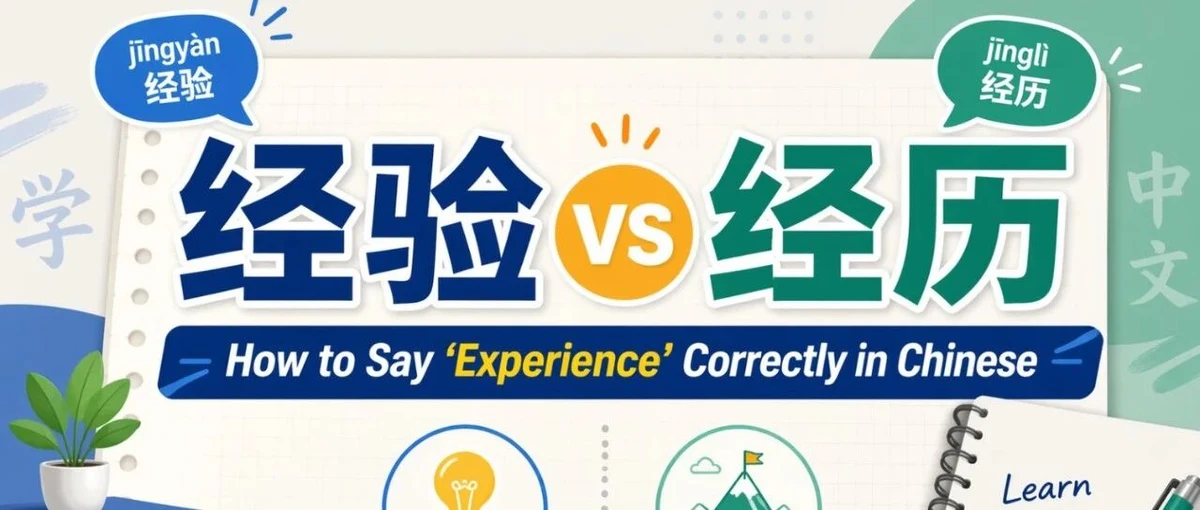
When learning Chinese, many students notice that both 经验 (jīngyàn) and 经历 (jīnglì) are often translated as “experience” in English. 🤔
But in Chinese, they are not the same.
If you mix them up, your sentence may sound unnatural or even incorrect.
So in this article, let’s learn the real difference in a simple way.
1. The Core Difference
经验 (jīngyàn) = experience, knowledge, know-how
经验 refers to the skills, knowledge, or practical understanding you gain after doing something for a long time.
It is usually something you accumulate.
You can think of it as:
-
practical experience
-
know-how
-
learned skill
经历 (jīnglì) = experience, personal experience, life event
经历 refers to something you personally went through.
It focuses more on:
-
events
-
processes
-
things that happened in your life
So the simplest way to remember it is:
经验 = what you have learned
经历 = what you have lived through

2. Understanding 经验 (jīngyàn)
Use 经验 when you want to talk about ability, skill, or knowledge gained through practice.
Common collocations with 经验:
-
工作经验 (gōngzuò jīngyàn) — work experience
-
教学经验 (jiàoxué jīngyàn) — teaching experience
-
学习经验 (xuéxí jīngyàn) — study experience
-
有经验 (yǒu jīngyàn) — to be experienced
Examples
1. 她有很多教学经验。
Pinyin: Tā yǒu hěn duō jiàoxué jīngyàn.
English: She has a lot of teaching experience.
2. 这位医生很有经验。
Pinyin: Zhè wèi yīshēng hěn yǒu jīngyàn.
English: This doctor is very experienced.
3. 我想跟你学习一些面试经验。
Pinyin: Wǒ xiǎng gēn nǐ xuéxí yìxiē miànshì jīngyàn.
English: I want to learn some interview experience from you.
In these examples, 经验 is not one single event.
It is the result of learning and practice over time.

3. Understanding 经历 (jīnglì)
Use 经历 when you are talking about something a person has personally gone through.
It often refers to a life event, a process, or a special period in someone’s life.
Common collocations with 经历:
-
人生经历 (rénshēng jīnglì) — life experience
-
成长经历 (chéngzhǎng jīnglì) — growing-up experience
-
一段经历 (yí duàn jīnglì) — an experience / a period one went through
-
难忘的经历 (nánwàng de jīnglì) — an unforgettable experience
Examples
1. 在中国留学是一次难忘的经历。
Pinyin: Zài Zhōngguó liúxué shì yí cì nánwàng de jīnglì.
English: Studying in China was an unforgettable experience.
2. 他小时候的经历改变了他的性格。
Pinyin: Tā xiǎoshíhou de jīnglì gǎibiàn le tā de xìnggé.
English: His childhood experiences changed his personality.
3. 每个人都有不同的成长经历。
Pinyin: Měi gèrén dōu yǒu bùtóng de chéngzhǎng jīnglì.
English: Everyone has different life experiences growing up.
Here, 经历 focuses on what happened to someone, not on the skill they gained.
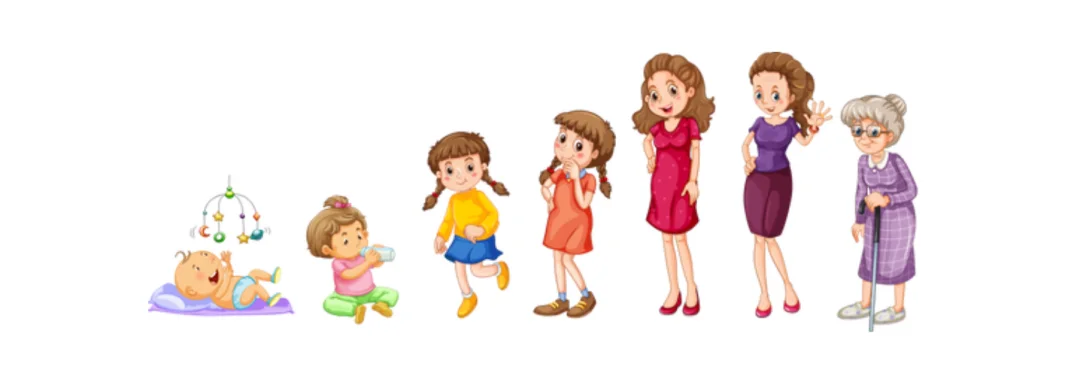
4. A Very Important Point
Sometimes 经历 can also be a verb.
In that case, it means:
-
to experience
-
to go through
-
to undergo
Examples
1. 她经历了很多困难。
Pinyin: Tā jīnglì le hěn duō kùnnan.
English: She went through many difficulties.
2. 我们都经历过失败。
Pinyin: Wǒmen dōu jīnglì guo shībài.
English: We have all experienced failure.
This is something 经验 cannot do.
经验 is mainly used as a noun, while 经历 can be both a noun and a verb.

5. 经验 vs 经历: Compare Them Side by Side
Look at this contrast:
A.
我有很多工作经验。
English: I have a lot of work experience.
This means I have skills and knowledge from working.
B.
这是我第一次在国外工作的经历。
English: This is my first experience working abroad.
This means it is a personal event or life experience.
So again:
-
经验
= knowledge/skill gained
-
经历
= event/process you went through
6. Quick Summary
经验 (jīngyàn)
-
usually a noun
-
means practical knowledge or skill
-
often used in work, study, teaching, business, etc.
经历 (jīnglì)
-
can be a noun or a verb
-
means personal experience, event, or process
-
focuses on what someone went through
7. Final Example
Compare these two:
1. 老师有丰富的教学经验。
Pinyin: Lǎoshī yǒu fēngfù de jiàoxué jīngyàn.
English: The teacher has rich teaching experience.
2. 留学的经历让他更独立了。
Pinyin: Liúxué de jīnglì ràng tā gèng dúlì le.
English: The experience of studying abroad made him more independent.
The first one is about ability and knowledge.
The second one is about a life event.