
Should you say 进来 or 进去?
Should you say 拿过来 or 拿过去?
The answer depends on one simple question:
📍 Is the movement toward the reference point or away from it?
For beginners, the reference point is usually the speaker’s location, although in some situations it can be another place already established in the conversation.
Once you find the reference point, choosing 来 (lái) and 去 (qù) becomes much easier. 😊
01 THE CORE DIFFERENCE
来 (lái) and 去 (qù) can be used after verbs to show the direction of movement.
来 (lái)
来 shows movement toward the reference point.
去 (qù)
去 shows movement away from the reference point.
🔑 Easy way to remember:
来 = toward here
去 = away from here
In many beginner-level examples, “here” is simply where the speaker is.
02 PATTERN 1: VERB + 来 / 去
Some verbs can be followed directly by 来 or 去.
Common examples:
拿来 (ná lái)
bring something here
拿去 (ná qù)
take something there / away
带来 (dài lái)
bring something here
带去 (dài qù)
take something there
送来 (sòng lái)
bring / deliver something here
送去 (sòng qù)
send / deliver something there
Example 1
请把椅子搬来。
Please move the chair over here.
→ The chair moves toward the reference point, so we use 来.
Example 2
请把这些东西拿去。
Please take these things away.
→ The things move away from the reference point, so we use 去.

03 PATTERN 2: VERB + DIRECTIONAL ELEMENT + 来 / 去
Chinese often places another directional element before 来 or 去.
Common directional elements include:
上 (shàng) — up
下 (xià) — down
进 (jìn) — in
出 (chū) — out
回 (huí) — back
过 (guò) — over / across / from one place to another
The first directional element shows the path of movement.
来 / 去 then shows whether that movement is toward or away from the reference point.
For example:
走进来 (zǒu jìnlái)
walk in toward the reference point
跑出去 (pǎo chūqù)
run out and away from the reference point
拿过来 (ná guòlái)
bring something over here
送过去 (sòng guòqù)
send / take / deliver something over there
💡 Forms such as 进来、出去、回来、过去 are often called compound directional complements.

04 COMMON PAIRS
上来 / 上去
come up / go up
下来 / 下去
come down / go down
进来 / 进去
come in / go in
出来 / 出去
come out / go out
回来 / 回去
come back / go back
过来 / 过去
come over / go over
💡 These English translations are only general guides.
Chinese does not always use 来 / 去 in exactly the same way that English uses come / go.
05 进来 OR 进去?
Imagine that you are inside a room.
请进来!
Please come in!
The other person enters the room and moves toward you.
So we use:
进 + 来 → 进来
Now imagine that you are standing outside the room.
你先进去吧。
Go in first.
The person enters the room but moves away from your current position.
So we use:
进 + 去 → 进去
🔑 The destination can be the same room. What changes is the reference point.
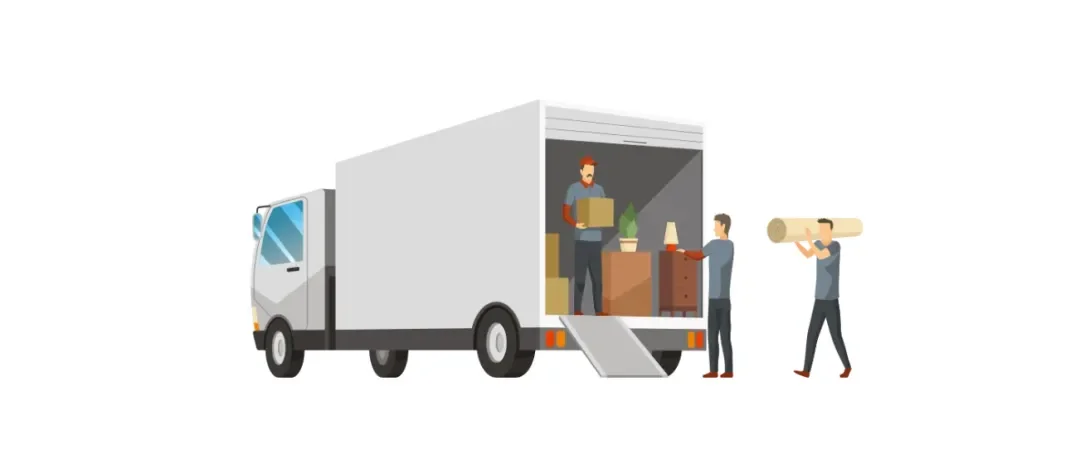
06 下来 OR 下去?
Imagine that you are waiting downstairs.
我在楼下等你,你下来吧。
I’m waiting downstairs. Come down.
→ The person moves toward you.
So we use 下来.
Now imagine that you and your friend are both upstairs.
我们一起下去吧。
Let’s go downstairs together.
→ You both move away from the current reference point upstairs.
So we use 下去.

07 过来 OR 过去?
请把书拿过来。
Please bring the book over here.
→ Toward the speaker: 来
请把这些文件送过去。
Please take these documents over there.
→ Away from the speaker: 去
🔑 Compare:
拿过来
bring it over here
拿过去
take it over there
Notice that 过 here does not always literally mean “cross.”
It often shows movement from one place or side to another.
08 出来 OR 出去?
Imagine that the teacher is inside the classroom, and you are waiting outside.
老师,请您出来一下。
Could you come out for a moment, please?
→ The teacher moves out and toward the speaker.
So we use 出来.
Now imagine that you are inside a room.
他突然跑出去了。
He suddenly ran out.
→ He moves out and away from the reference point.
So we use 出去.
💡 Do not translate every Chinese element word by word.
For example:
他突然跑出去了。
Tā tūrán pǎo chūqù le.
A natural English translation is simply:
He suddenly ran out.
09 走过来 OR 走过去?
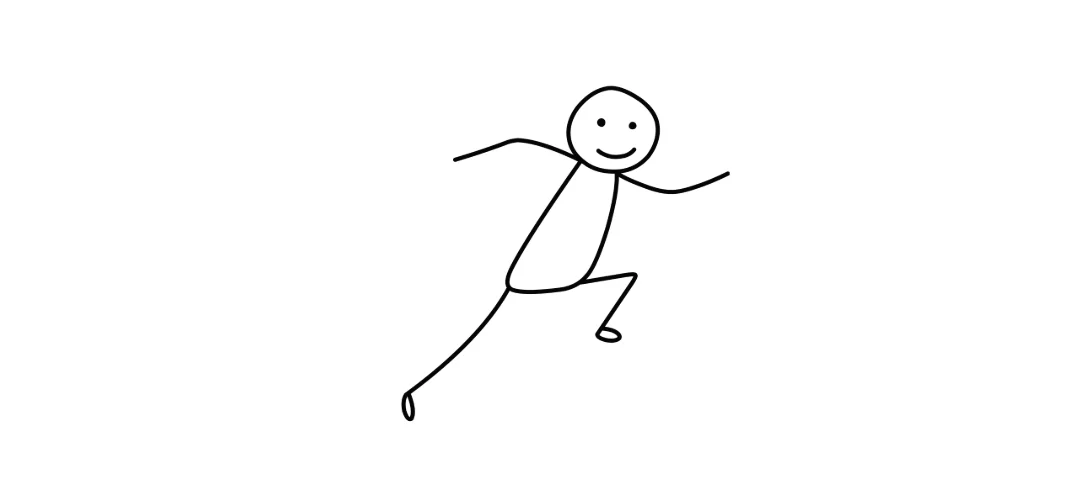
他走过来了。
He walked over here.
→ Movement is toward the reference point.
他走过去了。
He walked over there.
→ Movement is away from the reference point.
Compare:
走过来
walk over toward here
走过去
walk over there / walk away from here
The verb 走 stays the same.
The final 来 / 去 tells us how the movement relates to the reference point.
10 DON’T TRANSLATE 来 AND 去 WORD BY WORD
来 and 去 are often similar to the English words come and go.
But Chinese and English do not always organize direction in exactly the same way.
Instead of translating word by word, ask yourself:
📍 Where is the reference point?
📍 Is the movement toward that point?
→ Use 来
📍 Is the movement away from that point?
→ Use 去
That is the key.
11 A USEFUL BEGINNER TIP
When an object is involved, the 把 (bǎ) structure is often an easy and natural way to use directional complements.
For example:
请把书拿过来。
Please bring the book over here.
请把箱子搬进去。
Please move the box inside.
请把这些东西拿出去。
Please take these things outside.
For now, just remember the basic pattern:
把 + object + verb + directional complement
You do not need to master every possible word order at once.
12 QUICK REVIEW
When you see a directional complement, use these three steps.
Step 1: Find the main action
走、跑、拿、送、搬……
What action is happening?
Step 2: Check the path
Is the movement:
up, down, in, out, back, or over/across?
Look for:
上、下、进、出、回、过
Step 3: Find the reference point
Is the movement toward that point or away from it?
🔑 Remember:
来 = toward the reference point
去 = away from the reference point
So:
进来 = move in toward the reference point
进去 = move in away from the reference point
下来 = move down toward the reference point
下去 = move down away from the reference point
过来 = move over toward the reference point
过去 = move over away from the reference point
FINAL TIP
When choosing 来 or 去, do not start with the English translation.
First ask:
“Where is the reference point?”
Then ask:
“Is the movement toward it or away from it?”
Once you can answer those two questions, Chinese directional complements become much easier. 😊