
Both 恐怕 (kǒngpà) and 害怕 (hàipà) are sometimes translated as “afraid” in English.
However, they express different ideas.
👉 害怕 = a feeling of fear or anxiety
👉 恐怕 = a tentative judgment, prediction, or concern
The key difference is simple:
害怕 is about how you feel.
恐怕 is about what you think is probably true.
1️⃣ 害怕 (hàipà): Feeling Fear
害怕 describes an emotional feeling of fear or anxiety about someone, something, an action, or a possible situation.
Common Patterns
Subject + 害怕 + Noun
Subject + 害怕 + Verb Phrase
Subject + 害怕 + Clause
Example 1
我害怕狗。
I’m afraid of dogs.
💡 The speaker feels fear toward dogs.
Example 2
她害怕一个人走夜路。
She is afraid of walking alone at night.
Here, 害怕 describes the speaker’s emotional reaction to a situation.
Example 3
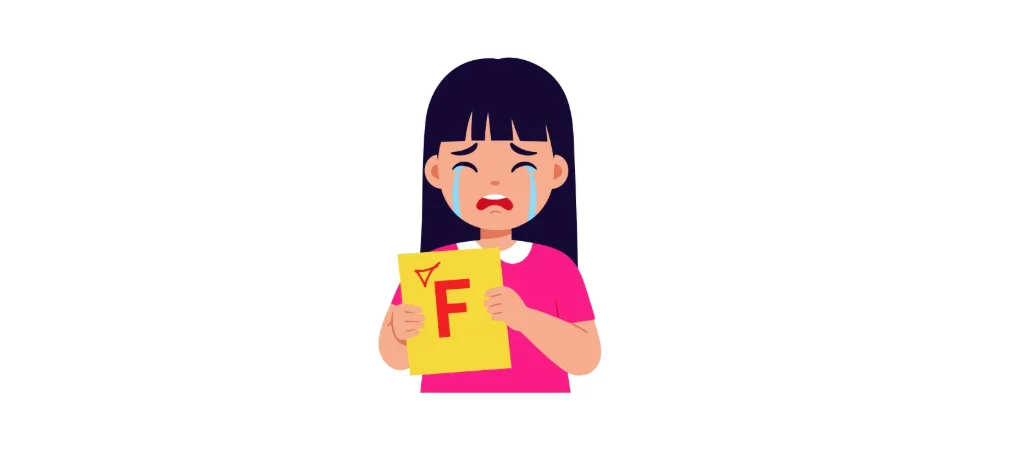
我害怕这次考试不及格。
I’m afraid I might fail this exam.
The speaker is emotionally worried about a possible result.
2️⃣ 恐怕 (kǒngpà): Making a Cautious Judgment
恐怕 is commonly used when the speaker makes a tentative judgment or prediction.
It is often used when the speaker believes that something is probably true but does not want to sound too direct or certain.
Depending on the context, it may be translated as:
“I’m afraid…”
“probably…”
“I’m concerned that…”
“I’m afraid that…”
Common Pattern
恐怕 + Clause
or
Subject + 恐怕 + Predicate
Example 1
明天恐怕会下雨。
I’m afraid it may rain tomorrow.
💡 The speaker is making a prediction. This sentence does not mean that the speaker is afraid of rain.
Example 2
他发烧了,恐怕不能来了。
He has a fever. I’m afraid he won’t be able to come.
The speaker makes a judgment based on the situation.
Example 3
这件事恐怕没那么简单。
I’m afraid this matter may not be that simple.
Here, 恐怕 makes the judgment sound more cautious and less direct.

🔍 Compare These Two Sentences
我害怕他不来。
Wǒ hàipà tā bù lái.
I’m afraid that he won’t come.
👉 Focus: my emotional worry
I do not want this situation to happen, and I feel anxious about it.
恐怕他不来了。
Kǒngpà tā bù lái le.
I’m afraid he probably isn’t coming after all.
👉 Focus: my judgment about the situation
Based on what I know, I think he probably will not come.
The English translations look similar, but the focus in Chinese is different:
害怕 → emotion
恐怕 → judgment or prediction
⚠️ A Common Mistake
❌ 我恐怕狗。
This cannot normally mean:
“I’m afraid of dogs.”
The correct sentence is:
✅ 我害怕狗。
I’m afraid of dogs.
Because the sentence describes fear of dogs, 害怕 is the correct word here.
Compare:
✅ 我害怕坐飞机。
I’m afraid of flying.
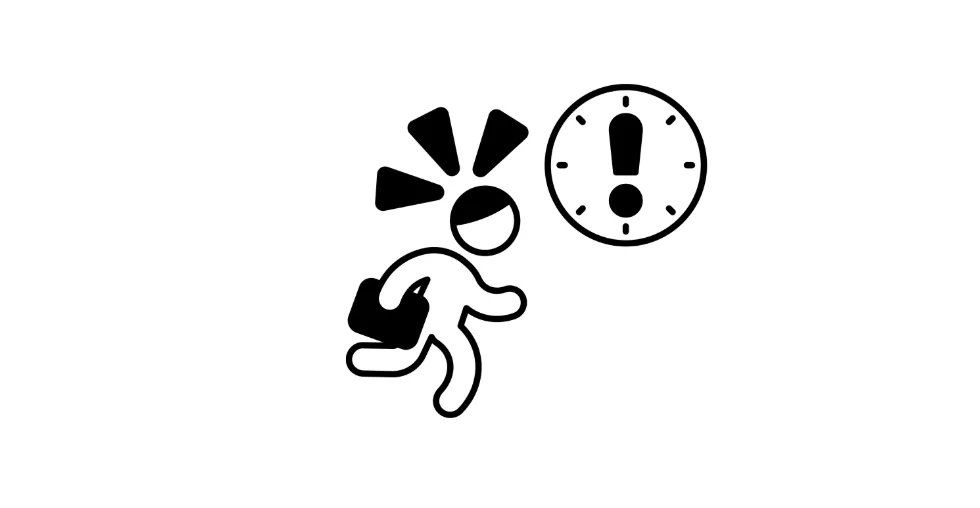
✅ 飞机晚点了,我们恐怕要迟到了。
The flight is delayed. I’m afraid we’re going to be late.
In the first sentence, 害怕 describes a feeling.
In the second sentence, 恐怕 introduces a prediction based on the situation.
💡 One More Useful Point
恐怕 can also be used to make negative information or a refusal sound less direct.
For example:
这个周末我恐怕没时间。
I’m afraid I probably won’t have time this weekend.
Compare it with:
这个周末我没时间。
I don’t have time this weekend.
The second sentence is more direct. Adding 恐怕 makes the statement more cautious and polite.
🧠 Easy Way to Remember
Ask yourself one question:
Am I describing a feeling?
Use 害怕.
😨 我害怕考试。
I’m afraid of exams.
Am I making a judgment or prediction?
Use 恐怕.
🤔 这次考试恐怕很难。
I’m afraid this exam will probably be difficult.
So remember:
害怕 = How do I feel?
恐怕 = What do I think is probably true?
Once you understand this difference, choosing between 恐怕 and 害怕 becomes much easier. 😊