
HSK 2–3 / A2 Grammar Guide
In Chinese, when we want to say “not much,” “not many,” “only a few,” or “nothing much,” we often use these three patterns:
没什么
not much / not really any / nothing special
没多少
not much / not many
没几
not many / only a few
These three structures are used to show that the quantity is small, or that something is not very important, not very special, or not enough.
They look similar, but they are not exactly the same.
The key difference is: what kind of “small amount” are you talking about? 🌿
1. 没什么 — not much / not really any / nothing special
没什么 is often used to downplay something.
It can mean “not much,” “not really any,” or “nothing special.”
It is often used with nouns such as:
时间 time
钱 money
人 people
问题 problem
意思 meaning
关系 relationship / connection
Structure
Subject + 没什么 + noun
Examples
我今天没什么时间。
I don’t have much time today.
他最近没什么钱。
He doesn’t have much money recently.
今天商店里没什么人。
There aren’t many people in the shop today.
这件事没什么问题。
There is not really any problem with this matter.

2. 没什么 + adjective / 好 + verb + 的
This is a very useful spoken Chinese pattern.
There are two common forms:
没什么 + adjective + 的
not very… / nothing special…
没什么 + 好 / 可 / 值得 + verb + 的
nothing much to… / nothing worth…
Examples
这个地方没什么好玩儿的。
There isn’t much to do here.
这家店没什么好吃的。
There isn’t much worth eating at this restaurant.
这件事没什么可担心的。
There is nothing much to worry about.
他说的话没什么特别的。
What he said was nothing special.
这部电影没什么值得看的。
This movie is not really worth watching.
3. 没什么 as a polite reply
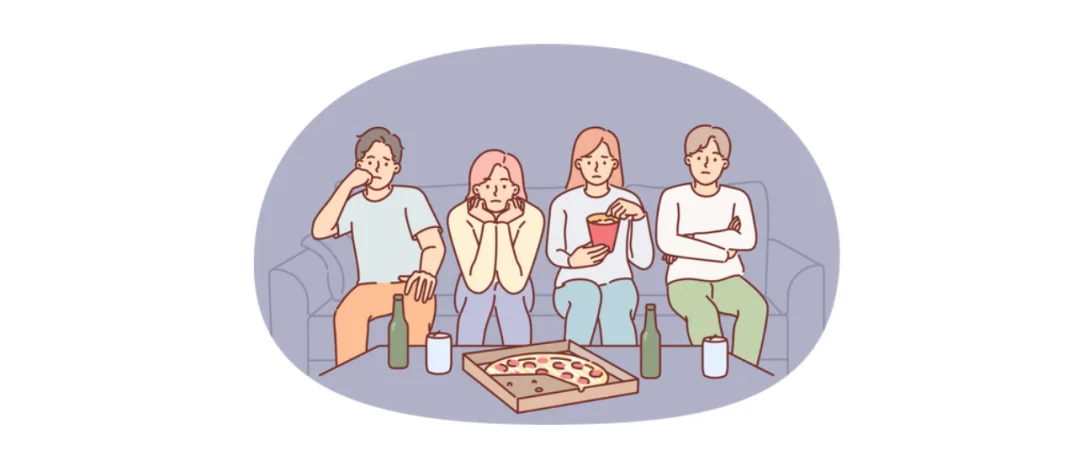
没什么 can also be used as a polite reply.
In this case, it means “It’s nothing,” “No problem,” or “Don’t mention it.”
Examples
谢谢你!
Thank you!
没什么。
It’s nothing. / No problem.
对不起,麻烦你了。
Sorry to trouble you.
没什么。
No problem.
4. 没多少 — not much / not many
没多少 focuses more directly on quantity.
It means the amount is not large.
It can be used with both countable and uncountable nouns.
Structure
Subject + 没多少 + noun
Examples
我们没多少时间了。
We don’t have much time left.
我身上没多少钱。
I don’t have much money with me.
他在这个城市没多少朋友。
He doesn’t have many friends in this city.
这篇文章里没多少新内容。
There isn’t much new content in this article.
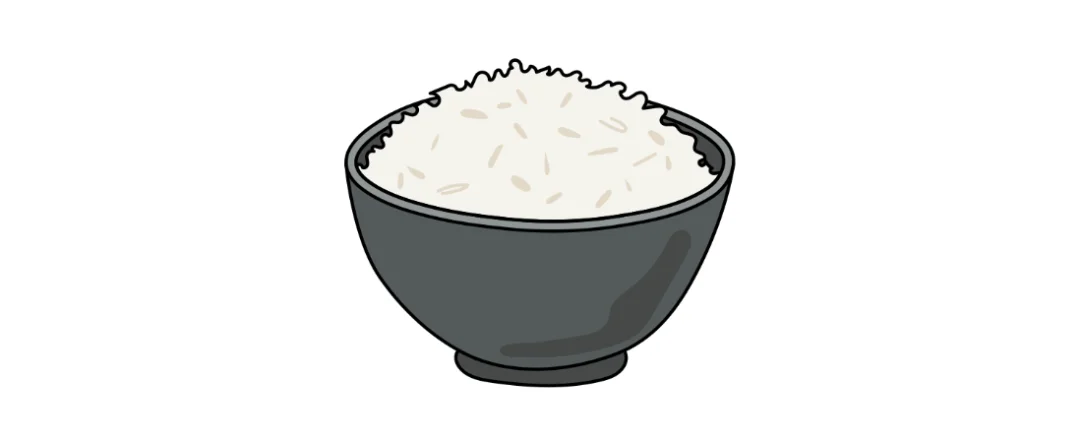
我们家里没多少米了。
There isn’t much rice left at home.
5. 没几 — only a few / not many
没几 is used when the noun can be counted.
It often appears with a measure word.
Structure
没几 + measure word + noun
In grammar notes, you may also see this written as:
没几 + M + N
Here, M means measure word, and N means noun.
Examples
教室里没几个人。
There are only a few people in the classroom.
他在北京没几个朋友。
He has only a few friends in Beijing.
桌子上没几本书。
There are only a few books on the table.
这个问题没几个人知道。
Only a few people know about this question.

6. 没几 + time word
Some time words can follow 没几 directly.
In this case, they often mean “only a few…”
Examples
没几天就要考试了。
The exam is only a few days away.
我来中国没几年。
I have only been in China for a few years.
我们没见过几次。
We have only met a few times.
我这本书还没看几页。
I have only read a few pages of this book.
7. What is the difference?
These three patterns are close, but they have different feelings.
没什么
没什么 often downplays something.
It can mean “not much,” “not really any,” or “nothing special.”
我没什么朋友。
I don’t really have many friends.
The feeling is less specific and more subjective.
没多少
没多少 focuses on the amount.
It simply means the quantity is not large.
我没多少朋友。
I don’t have many friends.
The feeling is more neutral and direct.
没几
没几 focuses on a small countable number.
It often means “only a few.”
我没几个朋友。
I have only a few friends.
The number feels small and more concrete.

8. Common mistakes
Mistake 1: Using 没几 with uncountable nouns
Don’t say:
我没几钱。
Incorrect.
Say:
我没多少钱。
I don’t have much money.
You can also say:
我没什么钱。
I don’t really have much money.
Mistake 2: Forgetting the measure word after 没几
In daily spoken Chinese, we usually need a measure word after 没几.
Less natural in daily speech:
这里没几人。
There are not many people here.
More natural:
这里没几个人。
There are only a few people here.
Note: 没几人 is grammatically possible, but it sounds more formal or written. For daily Chinese, 没几个人 is much more natural.
Mistake 3: Thinking 没什么 always means “nothing”
Sometimes 没什么 means “nothing,” but very often it means “not much” or “not a big deal.”
这件事没什么。
This matter is nothing serious.
我今天没什么时间。
I don’t have much time today.
9. Quick Review
Use 没什么 when you want to say something is not much, not really any, or nothing special.
Use 没多少 when you want to talk about a quantity that is not large.
Use 没几 when you want to talk about a small countable number, usually with a measure word.
A simple way to remember:
没什么 = not really much / nothing special
没多少 = not much / not many
没几 + measure word + noun = only a few
Chinese often uses these small words to make the speaker’s meaning softer and more natural.
When you use them well, your Chinese will sound much more native. 😊