
You probably already know this sentence:
你能帮我吗?
Can you help me?
This is a real question. The speaker does not know the answer and wants the other person to reply.
However, 能……吗? can also be used as a rhetorical question.
A rhetorical question looks like a question, but the speaker already knows the answer. It is often used to express criticism, surprise or a strong opinion.
Let’s look at how it works. 👇
1. A Normal Question with 能……吗?
Structure
Subject + 能 + Verb Phrase + 吗?
In a normal question, 能……吗? asks about:
-
ability;
-
possibility;
-
permission.
Example 1
你能说汉语吗?
Can you speak Chinese?
The speaker wants to know about the other person’s ability.
Example 2
你明天能来吗?
Can you come tomorrow?
The speaker wants to know whether coming tomorrow is possible.
Example 3
我能坐这里吗?
Can I sit here?
The speaker is asking for permission.
These are all real questions, so an answer such as 能, 不能, 可以 or 不可以 is expected.

2. Rhetorical 能……吗?
The same structure can also express a negative meaning.
Structure
Subject + 能 + Verb Phrase + 吗?
In a rhetorical context, it often means:
不能这样做。
You cannot do that.
不应该这样做。
You should not do that.
The speaker is not really asking about ability. The speaker thinks that the action is wrong, unreasonable or unacceptable.
Example 1
你能这样跟老师说话吗?
Can you talk to your teacher like that?
The speaker does not want a real answer.
The real meaning is:
你不能这样跟老师说话。
You should not talk to your teacher like that.
Example 2
这是别人的东西,你能随便拿吗?
This belongs to someone else. Can you just take it?
The real meaning is:
你不能随便拿别人的东西。
You cannot take someone else’s things without permission.
Example 3
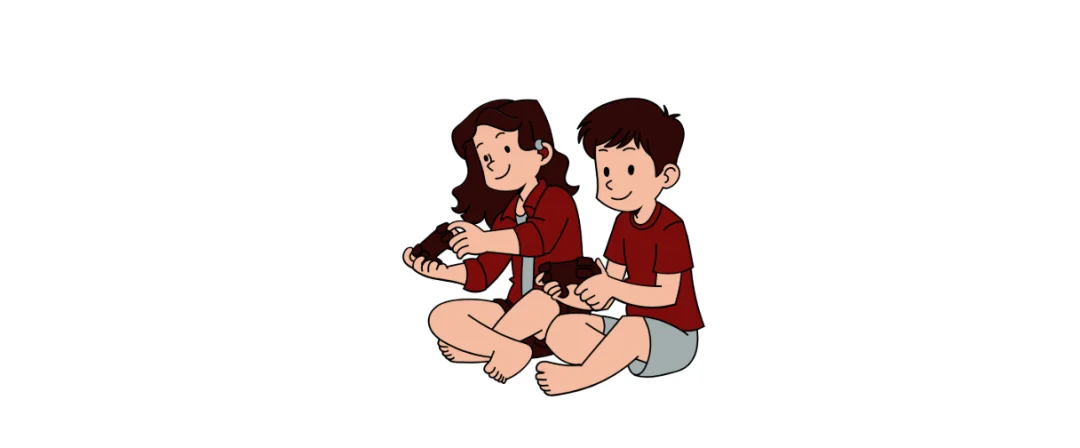
明天要考试,你今晚能一直玩游戏吗?
You have an exam tomorrow. Can you really play games all evening?
The real meaning is:
你今晚不应该一直玩游戏。
You should not spend the whole evening playing games.
💡 In these examples, 能 is not mainly about physical ability. It is asking whether an action is reasonable or acceptable.
3. Rhetorical 能不……吗?
A negative form can express a strong positive meaning.
Structure
Subject + 能不 + Verb Phrase + 吗?
In a rhetorical context, it often means:
当然会。
Of course I will.
当然要。
Of course I should.
怎么可能不……?
How could someone not…?
Example 1
你帮了我这么多,我能不感谢你吗?
You have helped me so much. How could I not thank you?
The real meaning is:
我当然要感谢你。
Of course I should thank you.
Example 2
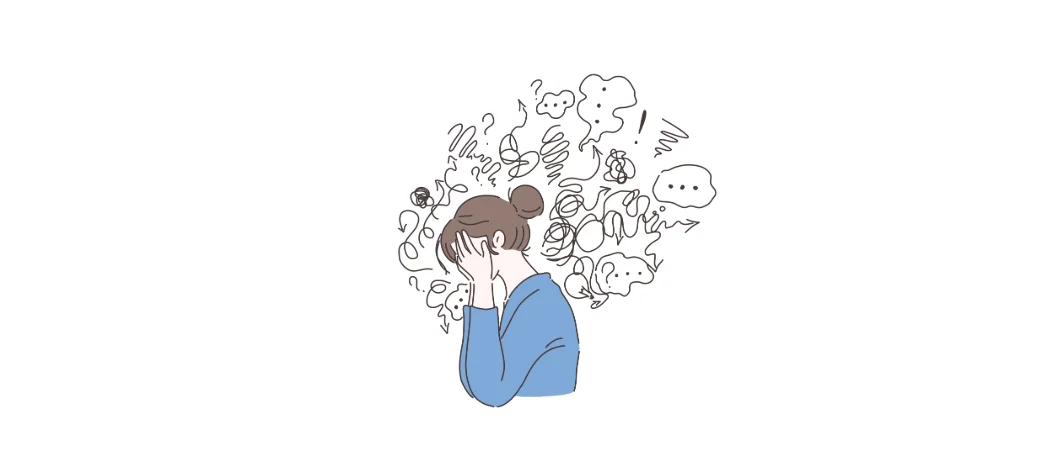
考试马上就开始了,我能不紧张吗?
The exam is about to begin. How could I not be nervous?
The real meaning is:
我当然紧张。
Of course I am nervous.
Example 3
孩子一个人在外地,父母能不担心吗?
Their child is living far away alone. How could the parents not worry?
The real meaning is:
父母当然会担心。
Of course the parents are worried.
4. Compare the Two Forms
能……吗?
In a rhetorical question, it usually suggests:
不能 / 不应该
Example
上课的时候,你能一直玩手机吗?
Can you keep using your phone during class?
Real meaning:
上课的时候,你不应该一直玩手机。
You should not keep using your phone during class.
能不……吗?
In a rhetorical question, it usually suggests:
当然能 / 当然会 / 当然要
Example
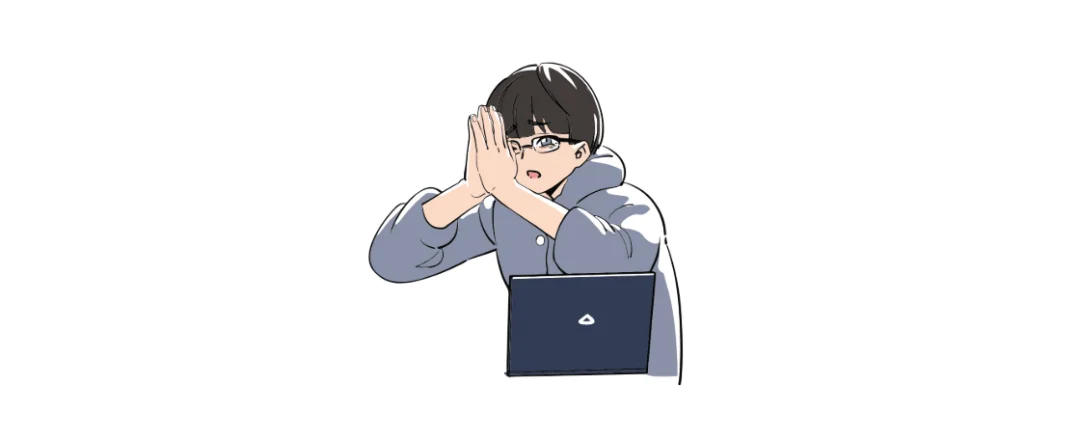
这是我的好朋友,我能不帮他吗?
He is my good friend. How could I not help him?
Real meaning:
我当然会帮他。
Of course I will help him.
5. Context Is Important
Do not decide only by looking at the structure.
Look at these two sentences:
A real question
今天能不去吗?
Can I skip it today?
The speaker is really asking whether not going is possible or permitted.
A rhetorical question
这么重要的活动,你能不去吗?
This is such an important event. How could you not go?
The speaker already has an answer.
The real meaning is:
你当然应该去。
Of course you should go.
So remember:
The structure alone is not enough. Context and tone are the key.

6. Words That Make the Rhetorical Meaning Clearer
Words such as 都 (dōu), 还 (hái) and 这么 (zhème) often make the speaker’s attitude stronger.
Example 1
你都迟到了,还能慢慢走吗?
You are already late. Can you still walk so slowly?
The real meaning is:
别慢慢走了,快一点儿!
Stop walking so slowly. Hurry up!
Example 2
天气这么冷,你能不穿外套吗?
It is so cold. How could you not wear a coat?
The speaker thinks:
你应该穿外套。
You should wear a coat.
7. Quick Summary
A normal 能……吗? question asks about ability, possibility or permission.
你能开车吗?
Can you drive?
A rhetorical 能……吗? often expresses a negative meaning:
能……吗?
→ 不能 / 不应该
→ cannot / should not
A rhetorical 能不……吗? often expresses a positive meaning:
能不……吗?
→ 当然能 / 当然会 / 当然要
→ of course / how could…not?
But remember:
Not every 能……吗? sentence is rhetorical.
Always pay attention to:
-
the situation;
-
the speaker’s tone;
-
the words before the question;
-
whether the speaker really wants an answer.
Mini Practice
What does each speaker really mean?
1
别人正在休息,你能这么大声说话吗?
Other people are resting. Can you speak so loudly?
The real meaning is:
你不应该这么大声说话。
You should not speak so loudly.
2
你是我的朋友,我能不帮你吗?
You are my friend. How could I not help you?
The real meaning is:
我当然会帮你。
Of course I will help you.
3
明天能早点儿来吗?
Can you come a little earlier tomorrow?
This is usually a real question or request, not a rhetorical question.
A sentence may look like a question, but the speaker’s real attitude can tell you much more. Once you understand the context, 能……吗? becomes much easier. 😊