
You probably learned this very early:
什么 (shénme) = what
But then you hear a sentence like:
我周末看看电影、听听音乐什么的。
On weekends, I watch movies, listen to music, and stuff like that.
Wait…
Where is the question? 🤔
There isn’t one.
In this sentence, 什么的 (shénme de) does not mean “what.”
It means something like:
and things like that
and stuff like that
or something like that
Let’s see how it works.
01 The Core Idea
什么的 is often placed after one or more examples.
It tells the listener:
👉 These are just some examples. There are other similar things too.
A simple pattern is:
Example(s) + 什么的
Example
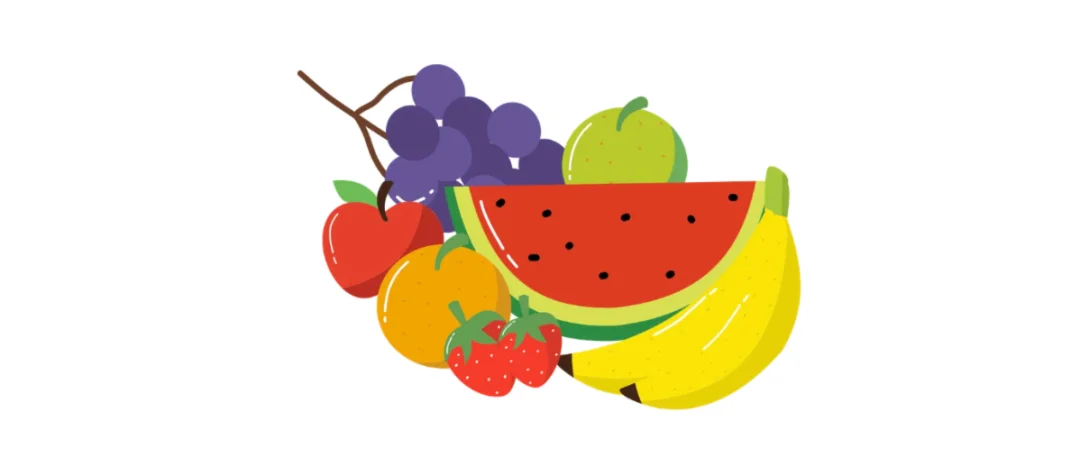
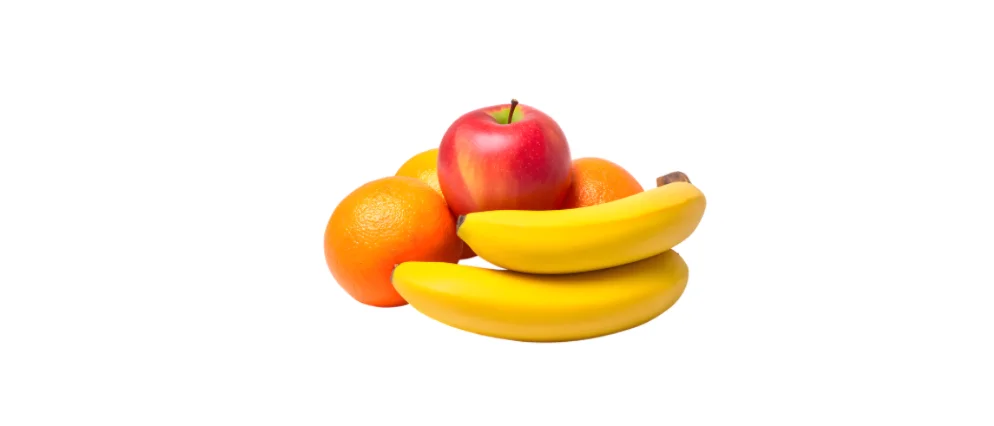
我喜欢苹果、香蕉什么的。
I like apples, bananas, and things like that.
You are not giving a complete list.
You are saying:
“Apples, bananas…and other similar things.”
That is the basic feeling of 什么的.
02 You Can Use It After Just One Example
You don’t always need a long list.
Example
出门的时候,带点儿水什么的。
When you go out, bring some water or something like that.
Here, 水 is only one example.
The speaker means:
“Bring some water, or something else you might need.”
💡 Notice the English translation.
After several examples, 什么的 often becomes:
and things like that
After one example, English may sound more natural as:
or something like that
So don’t translate 什么的 word for word.
03 It Can Follow Activities Too
什么的 is not only used after nouns.
It can also come after activities.
Example
周末我喜欢看看电影、听听音乐什么的。
On weekends, I like watching movies, listening to music, and stuff like that.
Another example:
有时间的时候,我们可以喝咖啡、聊聊天什么的。
When we have time, we can have coffee, chat, or do something like that.
Again, the speaker is giving examples rather than a complete plan.
04 什么的 Sounds Casual
什么的 is especially common in spoken Chinese.
Compare:
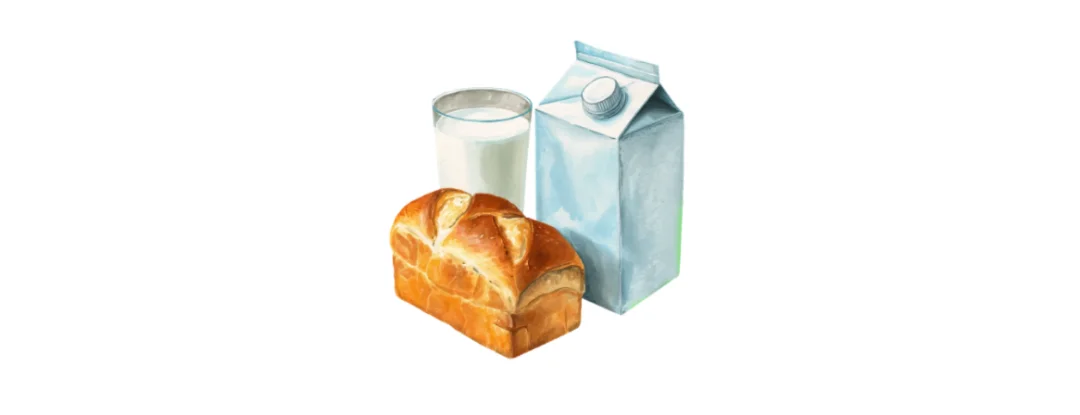
我买了苹果、牛奶、面包什么的。
I bought apples, milk, bread, and stuff like that.
You could also say:
我买了苹果、牛奶、面包等等。
I bought apples, milk, bread, and so on.
Both sentences show that the list is not complete.
But the feeling is slightly different:
什么的 → casual and conversational
等等 → more neutral and list-like
🔑 In everyday conversation, 什么的 often sounds more relaxed.
05 Sometimes There Isn’t a Real List
Look at this sentence:
钱什么的不是最重要的。
Money and that sort of thing isn’t what matters most.
The speaker only says 钱, but 什么的 suggests a broader group of similar concerns.
Another example:
衣服什么的我都准备好了。
I’ve got the clothes and everything like that ready.
So 什么的 can make the category feel loose and open.
You don’t have to name every item.

06 Not Every 什么 + 的 Means “And Stuff Like That”
Be careful.
Sometimes 什么 really is a question word.
Compare these two sentences:
你是做什么的?
Nǐ shì zuò shénme de?
What do you do?
Here, 什么 means “what.”
But:
我周末看看电影、听听音乐什么的。
Wǒ zhōumò kànkan diànyǐng, tīngting yīnyuè shénme de.
On weekends, I watch movies, listen to music, and stuff like that.
Here, 什么的 shows an unfinished list.
The easiest clue is to look at what comes before it.
If the speaker has just given one or more examples, 什么的 probably means:
👉 “…and other things like that.”

07 One Common Learner Mistake
Don’t use 什么的 when you need to give a complete, exact list.
Imagine someone asks:
你买了哪三种水果?
Which three kinds of fruit did you buy?
If there are exactly three, give all three clearly.
But if someone simply asks:
你买了什么?
What did you buy?
You could say:
苹果、香蕉什么的。
Apples, bananas, stuff like that.
The message is:
“Those are a few examples—not the whole list.”
08 Try It in a Real Conversation
A friend asks:
周末你一般做什么?
What do you usually do on weekends?
You could answer:
看看电影、见见朋友什么的。
Watch movies, meet friends, stuff like that.
Natural, simple, and very conversational. 🙂
You are not trying to list everything you do every weekend.
You are just giving your friend an idea.

Quick Review
Remember this basic pattern:
Example(s) + 什么的
It means that the examples you mentioned are not the complete list.
For example:
苹果、香蕉什么的
apples, bananas, and things like that
看看电影、听听音乐什么的
watch movies, listen to music, and stuff like that
带点儿水什么的
bring some water or something like that

Final Tip
When you see 什么的, don’t automatically translate it as:
❌ “what”
First ask:
Did the speaker just give an example?
If the answer is yes, 什么的 probably means:
✨ and stuff like that
✨ and things like that
✨ or something like that
It is a small expression, but once you start noticing it, you’ll hear it everywhere in everyday Chinese.