
The words 睡眠 (shuìmián), 睡觉 (shuìjiào), and 睡着 (shuìzháo) are all related to sleep, but they are used differently.
Here is the easiest way to remember them:
🌙 睡眠: sleep as a condition or general concept
🛏️ 睡觉: the action of sleeping
💤 睡着: successfully falling asleep
Let’s take a closer look.
1. 睡眠 (shuìmián)
睡眠 is a relatively formal word. It refers to sleep as a condition, process, or period of rest.
It often appears in discussions about sleep quality, sleep habits, or health.
Common expressions
-
睡眠质量
shuìmián zhìliàng
sleep quality -
睡眠时间
shuìmián shíjiān
sleep duration -
充足的睡眠
chōngzú de shuìmián
enough sleep -
睡眠不足
shuìmián bùzú
insufficient sleep
Examples
我最近的睡眠质量不太好。
My sleep quality has not been very good recently.
他最近睡眠不足,白天总是很困。
He has not been getting enough sleep recently, so he is always tired during the day.
我每天都尽量保证充足的睡眠。
I try to get enough sleep every day.
Important
In everyday conversation, we normally use 睡觉 or 睡, rather than using 睡眠 like an ordinary action verb.
❌ 我晚上十一点睡眠了。
✅ 我晚上十一点睡觉。
I go to bed at eleven.
✅ 我昨天睡了八个小时。
I slept for eight hours yesterday.
2. 睡觉 (shuìjiào)
睡觉 is the most common everyday verb for talking about sleep.
Depending on the context, it can mean:
-
to sleep
-
to be sleeping
-
to go to bed
Examples
孩子正在睡觉,请小声一点儿。
The child is sleeping. Please keep your voice down.
我每天晚上十一点睡觉。
I go to bed at eleven every night.
我今天很累,想早点儿睡觉。
I am very tired today, so I want to go to bed earlier.
Remember
睡觉 focuses on the activity of sleeping or going to bed. It does not necessarily tell us when the person actually falls asleep.
我晚上十点上床睡觉。
I go to bed at ten.
This does not mean that I immediately fall asleep at ten.
3. 睡着 (shuìzháo)
In 睡着, 着 is pronounced zháo, not zhe.
Here, 着 zháo is a result complement.
It shows that the action 睡 has reached its result: the person has entered a state of sleep.
Common patterns
-
睡着了
shuìzháo le
fell asleep / is asleep -
没睡着
méi shuìzháo
did not fall asleep / has not fallen asleep -
睡不着
shuì bu zháo
cannot fall asleep
Examples
我一上床就睡着了。
I fell asleep as soon as I got into bed.
孩子已经睡着了。
The child is already asleep.
昨天晚上外面太吵了,我很晚才睡着。
It was very noisy outside last night, so I did not fall asleep until very late.
没睡着 vs. 睡不着
These two expressions are related, but they are not exactly the same.
没睡着: the result did not happen
没睡着 means that someone did not successfully fall asleep.
我昨天晚上一直没睡着。
I did not fall asleep last night.
宝宝到现在还没睡着。
The baby still has not fallen asleep.
睡不着: unable to fall asleep
睡不着 means that someone cannot fall asleep, usually because of noise, stress, excitement, or another reason.
我下午喝了咖啡,现在睡不着。
I drank coffee this afternoon, so I cannot fall asleep now.
明天有考试,我紧张得睡不着。
I have an exam tomorrow, and I am too nervous to fall asleep.
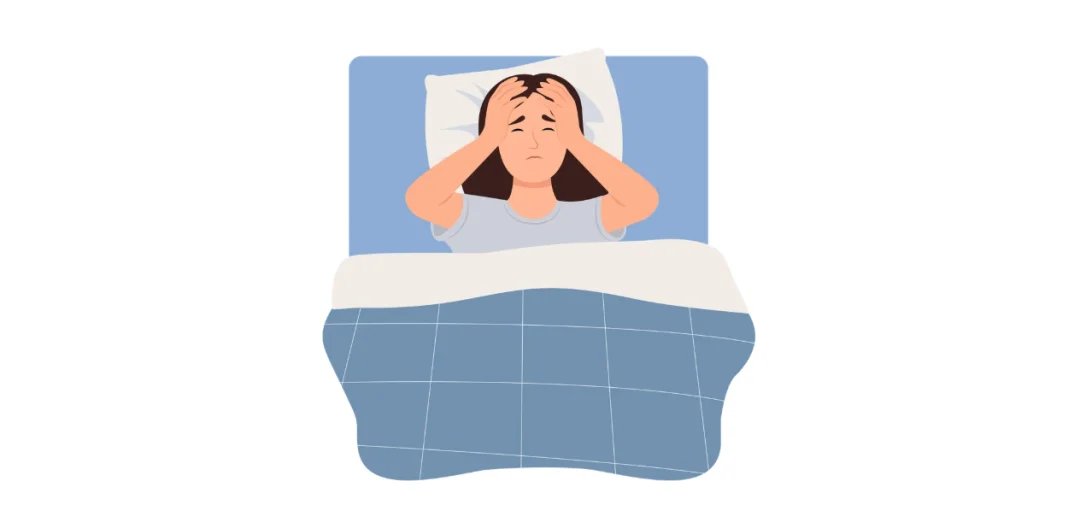
Compare the Three Words
我晚上十点上床睡觉。
I go to bed at ten.
但是我十一点才睡着。
But I do not fall asleep until eleven.
所以我最近的睡眠不太好。
So I have not been sleeping very well recently.
Notice the difference:
-
睡觉
describes the activity.
-
睡着
describes the result.
-
睡眠
describes sleep as a condition or general concept.
Common Mistakes
Mistake 1: Using 睡眠 in everyday conversation
❌ 我每天晚上十点睡眠。
✅ 我每天晚上十点睡觉。
I go to bed at ten every night.
Mistake 2: Saying 睡觉质量
❌ 我的睡觉质量不太好。
✅ 我的睡眠质量不太好。
My sleep quality is not very good.
In everyday conversation, you can also say:
我最近睡得不太好。
I haven’t been sleeping very well recently.
Mistake 3: Confusing the activity and the result
他正在睡觉。
He is sleeping.
他已经睡着了。
He has already fallen asleep. / He is already asleep.
Quick Review
🌙 睡眠
A relatively formal word for sleep as a condition, process, or general concept.
🛏️ 睡觉
The everyday action of sleeping or going to bed.
💤 睡着
The result of successfully falling asleep.
Remember this sentence:
我十点上床睡觉,但是过了很久才睡着,所以最近的睡眠不太好。
I went to bed at ten, but it took me a long time to fall asleep, so I haven’t been sleeping very well recently.
Now you know the difference. Time to 睡觉! 😴