

A Practical Guide to the Expression “死了” (sǐ le)
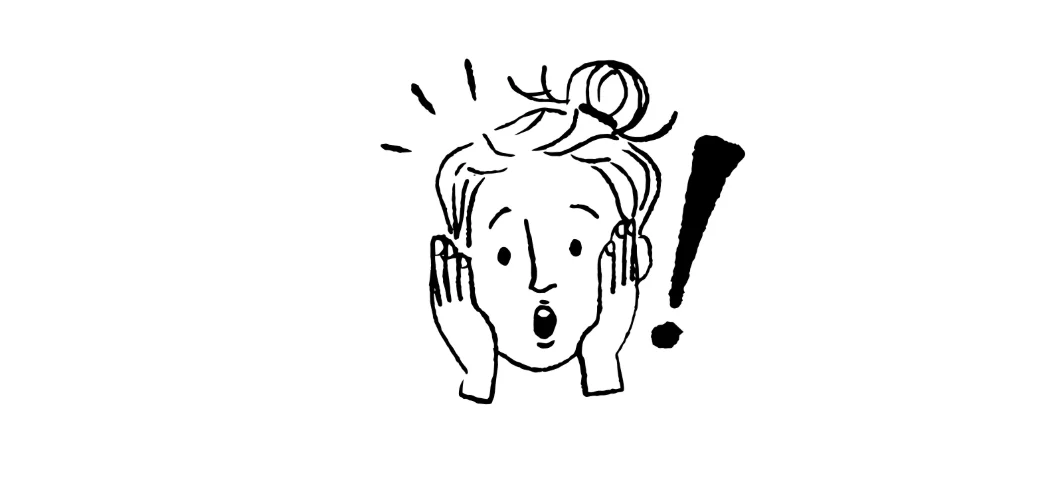
When Chinese learners see 死了 (sǐ le), they may feel a little shocked because 死 (sǐ) literally means “to die.”
But in daily Chinese, “死了” is often not about death. It is a very common expression used to make feelings or descriptions stronger, similar to:
so… / extremely… / …to death
For example:
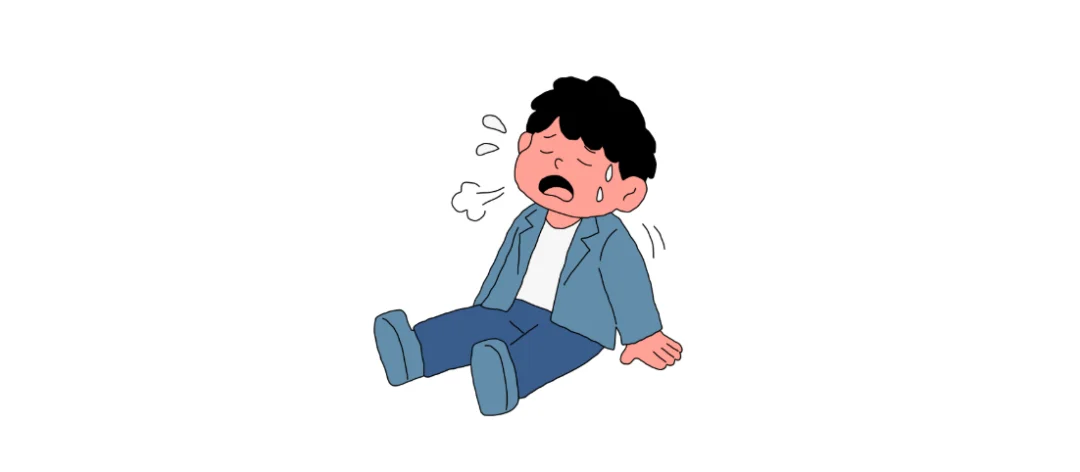
我累死了。
I’m extremely tired. / I’m tired to death.
Here, nobody is dying. It just means “very, very tired.” 😆
1. Structure: Adjective + 死了
The most common pattern is:
Subject + Adjective + 死了
This structure is used to emphasize a strong feeling, condition, or reaction.
Examples
我饿死了。
I’m starving.
今天热死了。
It’s extremely hot today.
这件事烦死了。
This thing is so annoying.
他高兴死了。
He is extremely happy.
2. It Can Be Used with Both Positive and Negative Feelings
Many learners think 死了 is only used for bad feelings, but actually it can be used with both positive and negative adjectives.
Negative feelings 😩
我困死了。
I’m extremely sleepy.
我紧张死了。
I’m extremely nervous.
这个电影无聊死了。
This movie is extremely boring.
Positive feelings 😍
这个小猫可爱死了。
This kitten is extremely cute.
我开心死了!
I’m super happy!
这个礼物漂亮死了。
This gift is extremely beautiful.

3. “死了” Is Usually Informal
死了 is very common in spoken Chinese, messages, social media posts, and casual conversations.
It is natural to say:
朋友之间:
我累死了,今天不想出门。
Wǒ lèi sǐ le, jīntiān bù xiǎng chūmén.
I’m exhausted. I don’t want to go out today.
But in formal writing or professional situations, it is better to use words like:
非常 (fēicháng) = very
特别 (tèbié) = especially / very
十分 (shífēn) = very / extremely
极了 (jí le) = extremely
More formal:
今天我非常累。
I’m very tired today.
4. Be Careful: “死了” Can Sound Strong
Because 死了 is expressive, it can sound emotional, dramatic, or casual. That is part of its charm.
For example:
我急死了!
I’m extremely anxious!
你吓死我了!
You scared me to death!
In the second sentence, the structure is different:
Verb + 死 + someone + 了
This means something strongly affected someone.
More examples:
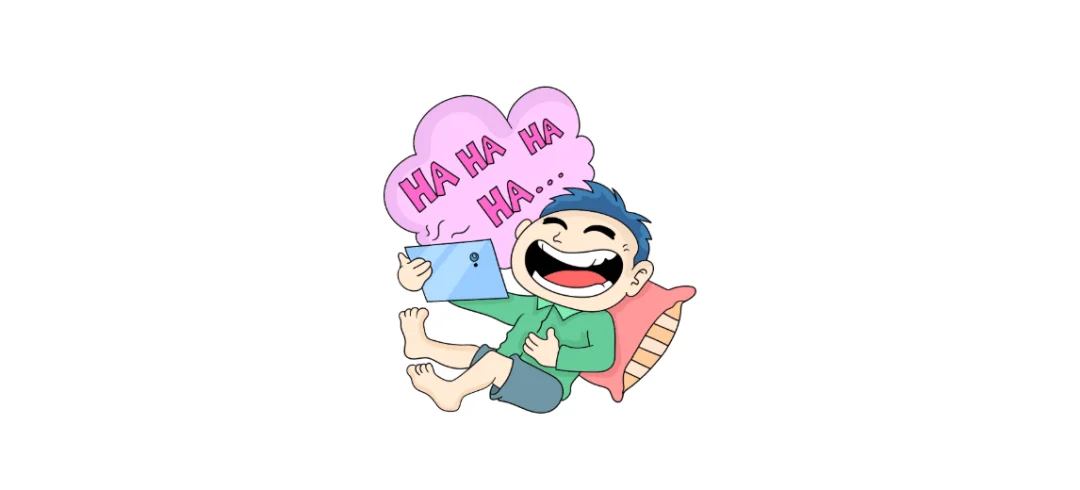
笑死我了!
That made me laugh so hard!
气死我了!
I’m so angry! / That really pissed me off!
急死我了!
I’m so worried/anxious!
These are very common in real-life Chinese. They are expressive and often used online. 😂

5. Common Expressions with “死了”
Here are some useful phrases foreign learners should know:
累死了
lèi sǐ le
extremely tired
我今天上了六个小时的课,累死了。
I had six hours of class today. I’m exhausted.
饿死了
è sǐ le
starving
我还没吃午饭,饿死了。
I haven’t had lunch yet. I’m starving.
热死了
rè sǐ le
extremely hot
外面热死了,我们别出去了。
It’s extremely hot outside. Let’s not go out.
冷死了
lěng sǐ le
freezing
今天冷死了,你多穿一点。
It’s freezing today. Wear more clothes.
可爱死了
kě’ài sǐ le
extremely cute
你的狗可爱死了!
Your dog is so cute!
笑死我了
xiào sǐ wǒ le
That made me laugh so hard.
这个视频太搞笑了,笑死我了!
This video is so funny. It made me laugh so hard!
6. “死了” vs. “极了”
Both 死了 and 极了 can make an adjective stronger, but their feeling is different.
死了 is more casual, emotional, and spoken.
极了 is more neutral, polished, and can be used in writing.
Compare:
我累死了。
Wǒ lèi sǐ le.
I’m exhausted.
Casual and emotional.
我累极了。
Wǒ lèi jí le.
I’m extremely tired.
More standard and less dramatic.
这个孩子可爱死了。
Zhège háizi kě’ài sǐ le.
This child is so cute!
Casual and expressive.
这个孩子可爱极了。
Zhège háizi kě’ài jí le.
This child is extremely cute.
More formal or written.
7. Common Mistakes Learners Make
Mistake 1: Using “死了” in very formal situations
In a business email, don’t write:
我忙死了。
I’m extremely busy.
Better:
我最近非常忙。
I have been very busy recently.
Mistake 2: Thinking “死了” always means someone died
Compare these two sentences:
他死了。
He died.
我累死了。
I’m extremely tired.
The first one is literal.
The second one is exaggeration.
The key is:
When 死了 comes after an adjective, it usually means “extremely.”
Mistake 3: Overusing it
Chinese people do use 死了 often, but not every adjective needs it.
Natural:
我饿死了。
I’m starving.
Less natural if overused:
这个杯子贵死了,这个手机好死了,这个天气冷死了……
Using it too much can sound overly dramatic. Use it when you really want to emphasize emotion.
Quick Review ✨
死了 can mean “extremely” when used after an adjective.
Common pattern:
Subject + Adjective + 死了
Examples:
我累死了。
I’m exhausted.
这个菜辣死了。
This dish is extremely spicy.
她开心死了。
She is extremely happy.
Also, expressions like 笑死我了, 气死我了, and 吓死我了 are very common in spoken Chinese and online Chinese.

Final Tip
When you hear Chinese people say “累死了,” “饿死了,” “可爱死了,” or “笑死我了,” don’t panic. 😄
Most of the time, 死了 is just a dramatic and natural way to say:
“so…” / “extremely…” / “…to death”
Learn it well, and your Chinese will sound much more natural!