
If you have studied Chinese for a while, you have probably seen 了 (le) everywhere:
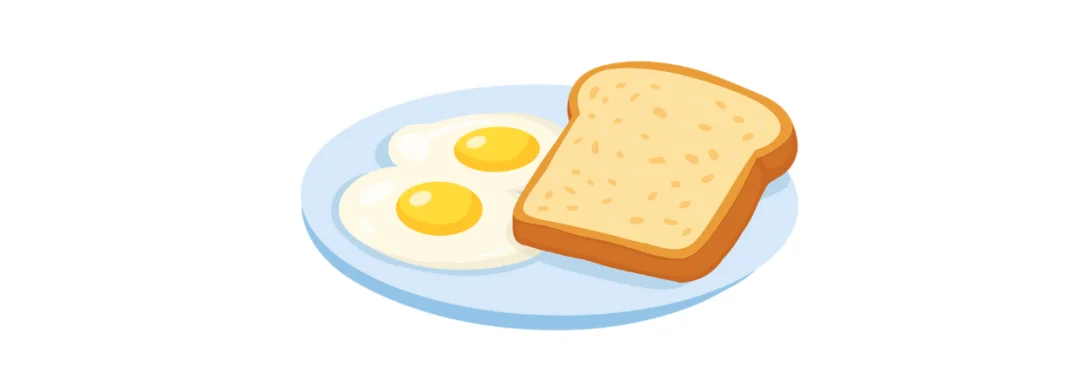
我吃了早饭。
I ate breakfast.
下雨了。
It has started raining.
我不喝咖啡了。
I don’t drink coffee anymore.
我学中文三年了。
I’ve been studying Chinese for three years.
Same 了, different jobs. 😵💫
So how does 了 (le) really work?
For everyday Chinese, remember these two main ideas:
Verb + 了 → an action or event is viewed as a whole
Sentence-final 了 → a new or changed situation
And most importantly:
了 does NOT simply mean “past tense.”
1. Verb + 了: Looking at an Action as a Whole
When 了 comes directly after a verb, it often shows that the speaker is looking at an action or event as a complete whole.
For beginners, you can often think of it as:
“This action happened.”
Pattern
Verb + 了
For example:
我买了一本书。
I bought a book.
The action 买 (mǎi) happened and is viewed as one complete event.
Another example:
他吃了早饭。
He ate breakfast.
And:
昨天我看了一部电影。
I watched a movie yesterday.
Here, 昨天 (zuótiān) tells us when the action happened.
The 了 itself does not mean “yesterday” or “past.”

2. 了 Is NOT the Chinese Past Tense
This is one of the most important things to remember.
English verbs often change in the past:
eat → ate
go → went
see → saw
Chinese does not have a tense system like English.
So this rule is too simple:
❌ 了 = past tense
Look at this sentence:
明天吃了早饭以后,我们就出发。
Tomorrow, after breakfast, we’ll set off.
The sentence is about tomorrow, but 了 still appears.
Why?
Because eating breakfast is viewed as completed before the next action happens.
So 了 is not simply about past time.
3. Past Time Does Not Always Need 了
Another common mistake is adding 了 to every sentence about the past.
You don’t need to.
For example:
昨天我很忙。
I was very busy yesterday.
No 了 is needed.
Another example:
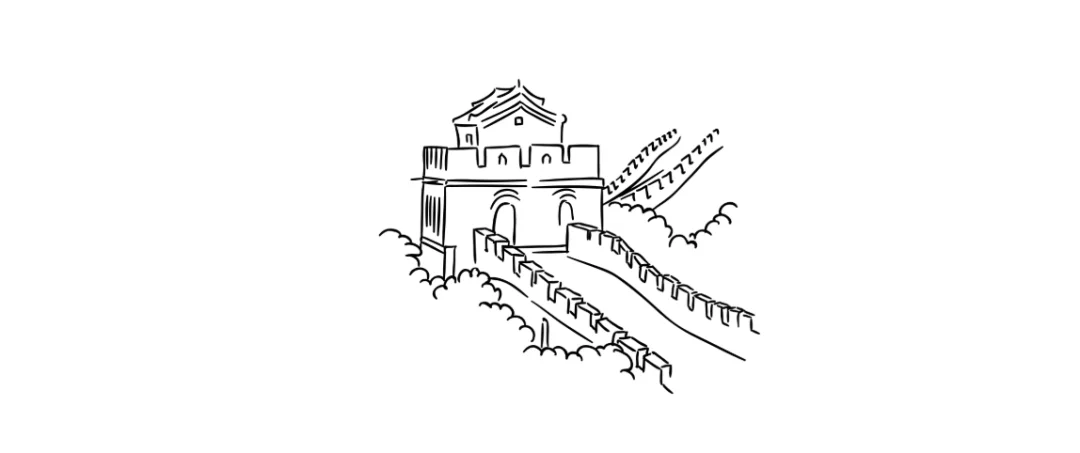
去年我住在北京。
I lived in Beijing last year.
Again, 去年 (qùnián) already tells us that the sentence is about the past.
So remember:
Past time does not automatically mean you need 了.
4. Sentence-Final 了: Something Is Different Now
When 了 appears at the end of a sentence, it often tells us that a new situation is now true or that something has changed.
An easy way to remember it is:
“Things are different now.”
For example:
下雨了。
It has started raining.
Before: no rain.
Now: rain. ☔
Another example:
天冷了。
It’s cold now. / It has gotten colder.
Before, it wasn’t this cold.
Now it is.
And:
他十八岁了。
He is 18 now.
Here, 了 presents “being 18” as the situation that is true now.

5. 不……了: “Not Anymore”
This is one of the most useful everyday patterns with 了.
Pattern
不 + Verb + 了
It often means:
“not anymore”
or
“not going to do it now.”
For example:
我不喝咖啡了。
I don’t drink coffee anymore.
Maybe you drank coffee before.
Now you don’t.
Something has changed.
Another example:
我不去了。
I’m not going anymore.
Maybe you originally planned to go, but now you have changed your mind.
And:
他不住这里了。
He doesn’t live here anymore.
So when you see 不……了, think:
“This was true before, but not now.”

6. 没(有) + Verb: The Action Didn’t Happen
What if you want to say that an action did not happen?
Usually, use:
没(有) + Verb
For example:
我吃了早饭。
I ate breakfast.
我没吃早饭。
I didn’t eat breakfast.
Another example:
他去了北京。
He went to Beijing.
他没去北京。
He didn’t go to Beijing.
When you are simply saying that an action didn’t happen, you normally do not put 了 directly after that verb.
So remember:
没(有) + Verb
But this does not mean that 没 and sentence-final 了 can never appear together.
For example:
我没钱了。
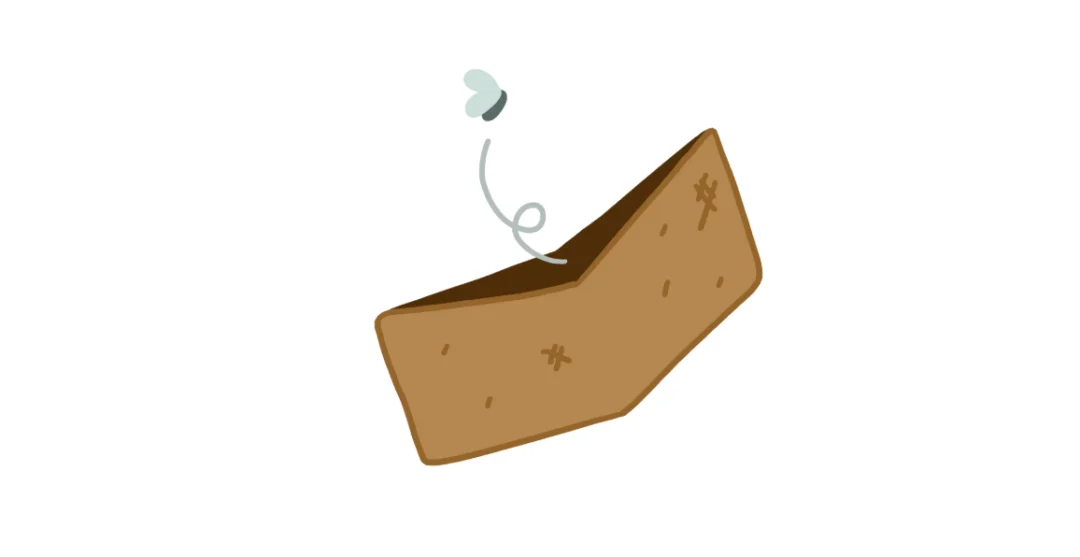
I don’t have any money now.
Here, the final 了 shows a new situation.
7. Duration + 了: “For… Up to Now”
You will also often see sentence-final 了 with a period of time.
For example:
我学中文三年了。
I’ve been studying Chinese for three years.
This usually means:
I started three years ago, and I am still studying Chinese now.
Another example:
她在这里工作五年了。
She has been working here for five years.
The period of time has continued up to now.
That final 了 connects the situation with the present moment.
8. Why Can One Sentence Have Two 了’s?
Later, you may see sentences like:
我已经学了三年中文了。
I’ve been studying Chinese for three years now.
Yes — two 了’s can appear in one sentence.
The first 了 comes after the verb and is connected with the event.
The second 了 highlights the current situation.
But if you are still a beginner, you do not need to memorize complicated rules about “two 了’s.”
First master these two ideas:
Verb + 了 → look at the action/event as a whole
Sentence-final 了 → something is new or different now
That will already help you understand most everyday uses of 了. 😊
Quick Comparison
我吃了早饭。
Wǒ chī le zǎofàn.
I ate breakfast.
👉 The action happened and is viewed as a whole.
下雨了。
Xiàyǔ le.
It has started raining.
👉 The situation changed.
我不喝咖啡了。
Wǒ bù hē kāfēi le.
I don’t drink coffee anymore.
👉 Something that was true before is no longer true.
我学中文三年了。
Wǒ xué Zhōngwén sān nián le.
I’ve been studying Chinese for three years.
👉 The situation has continued up to now.
The Easiest Way to Understand 了
When you see 了, don’t immediately ask:
“Is this sentence in the past?”
Instead, ask:
1. Is the speaker looking at an action as a whole?
If yes, you may be looking at:
Verb + 了
我买了一本书。
I bought a book.
2. Is the speaker telling me that something is different now?
If yes, you may be looking at:
Sentence + 了
天冷了。
It’s cold now. / It has gotten colder.
Final Tip 🌟
One of the biggest mistakes Chinese learners make is trying to translate every 了 into one English word.
Don’t.
Depending on the sentence, English might use:
did
have done
now
anymore
or no special word at all.
So instead of asking:
“What does 了 mean?”
try asking:
“What is 了 doing in this sentence?”
Once you start thinking this way, 了 becomes much easier to understand.