
You finish dinner at a Chinese friend’s home and head for the door.
Your friend smiles and says:
慢走!
Wait… “Walk slowly”? 😅
Why are they telling you how fast to walk?
Because in this situation, 慢走 isn’t really about your walking speed.
It’s a common Chinese expression used to see someone off politely.
01 What Does 慢走 (màn zǒu) Really Mean?
Literally:
慢 (màn) = slow / slowly
走 (zǒu) = walk / leave
So if you translate it word by word, 慢走 looks like:
“Walk slowly.”
But when someone is leaving, it usually works as a polite farewell.
Depending on the situation, natural English translations include:
Take care!
Take care on your way!
Goodbye!
There isn’t one perfect English translation.
The important idea is:
👉 Someone is leaving, and the person staying behind is politely seeing them off.
So 慢走 is often more about courtesy than speed.

02 Who Says 慢走 to Whom?
This is the easiest way to remember it:
The person staying → says 慢走 → to the person leaving
For example, a guest is leaving someone’s home:
客人:我先走了。
Guest: I’ll get going.
主人:好,慢走啊!
Host: Okay, take care!
Here, the host stays and the guest leaves.
That’s the typical situation for 慢走.
You can also hear the more polite:
您慢走。
Take care.
This is common in polite or service situations.

03 You’ll Often Hear It in Shops and Restaurants
When you leave a restaurant or shop, staff may say:
谢谢光临,慢走!
Thank you for coming. Take care!
Here, they are not really checking how fast you are walking. 😄
慢走 has become a conventional way to say goodbye to a departing customer or guest.
And you don’t need to be literally walking.
The main idea is simply:
You’re leaving → they’re seeing you off.

04 Can 慢走 Really Mean “Walk Slowly”?
Yes.
In the right context, 慢走 can still have its literal meaning.
For example:
地上很滑,慢走。
The ground is slippery. Walk slowly.
Here, the speaker really is talking about how you walk.
Compare:
谢谢你今天来,慢走!
Thanks for coming. Take care!
Same words.
Different situation.
🔑 Context tells you whether 慢走 is literal or a polite farewell.
05 慢走 vs 再见
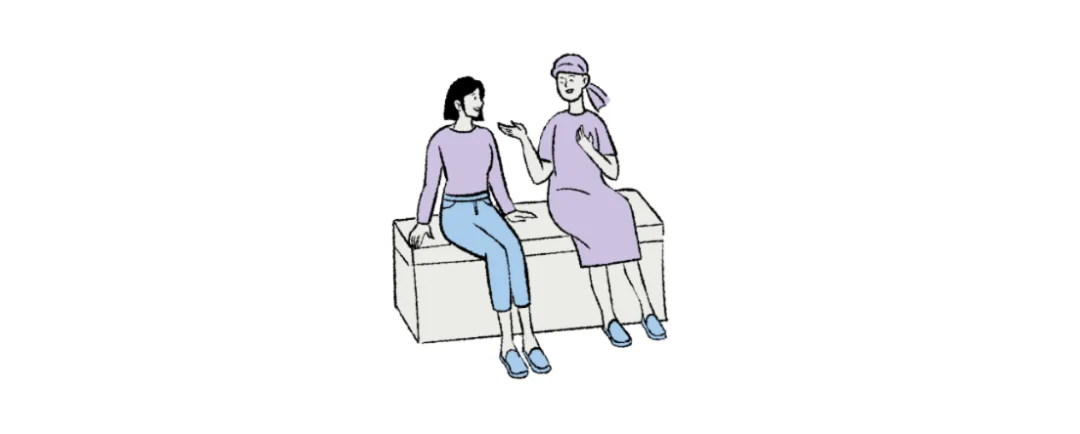
Both can appear when people say goodbye, but they have different functions.
再见 (zàijiàn)
A general:
Goodbye / See you
Either person can say it.
明天见,再见!
See you tomorrow. Bye!
慢走 (màn zǒu)
Usually said by the person staying behind to the person leaving.
客人要走了。
The guest is leaving.
主人说:
The host says:
慢走啊,路上小心!
Take care on your way!
So the easiest distinction is:
再见 → general goodbye
慢走 → seeing someone off
You may also hear them together:
慢走,再见!
Take care. Goodbye!

06 慢走 vs 慢点儿走
These two expressions look similar, but their focus is usually different.
慢走
In a leave-taking situation:
慢走!
Take care!
It often functions as a polite farewell.
慢点儿走 / 走慢点儿
These expressions usually focus more directly on walking more slowly.
你走得太快了,慢点儿走!
You’re walking too fast. Slow down!
You can also say:
走慢点儿!
Walk a little slower!
So as a useful shortcut:
慢走 → often a polite farewell
慢点儿走 / 走慢点儿 → usually focuses more on walking speed
Context still matters.
07 How Do You Reply to 慢走?
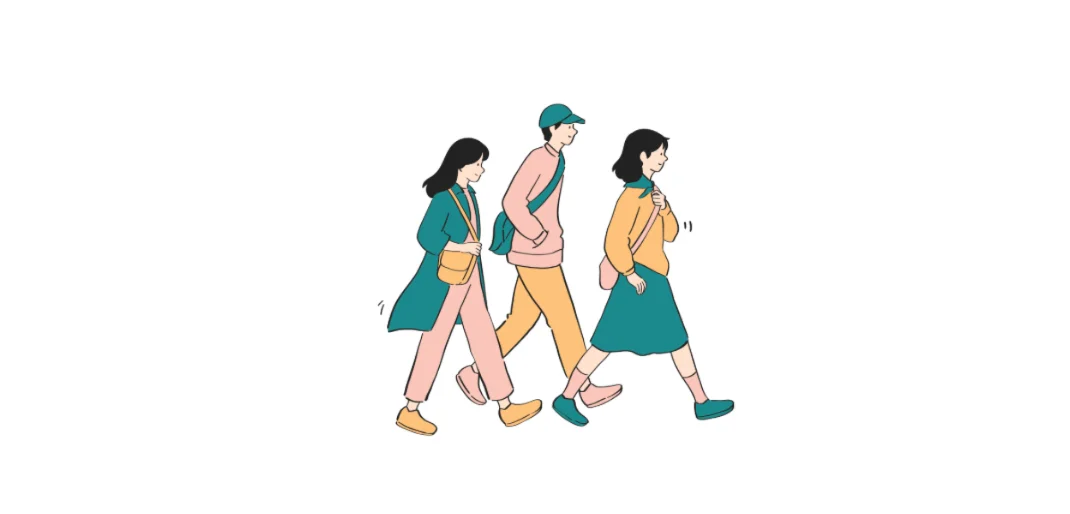
There is no special fixed reply.
A simple:
谢谢!
Thanks!
is perfectly natural.
You can also say:
好,谢谢!
Okay, thanks!
or:
谢谢,再见!
Thanks, bye!
That’s enough. 😊
Quick Takeaway
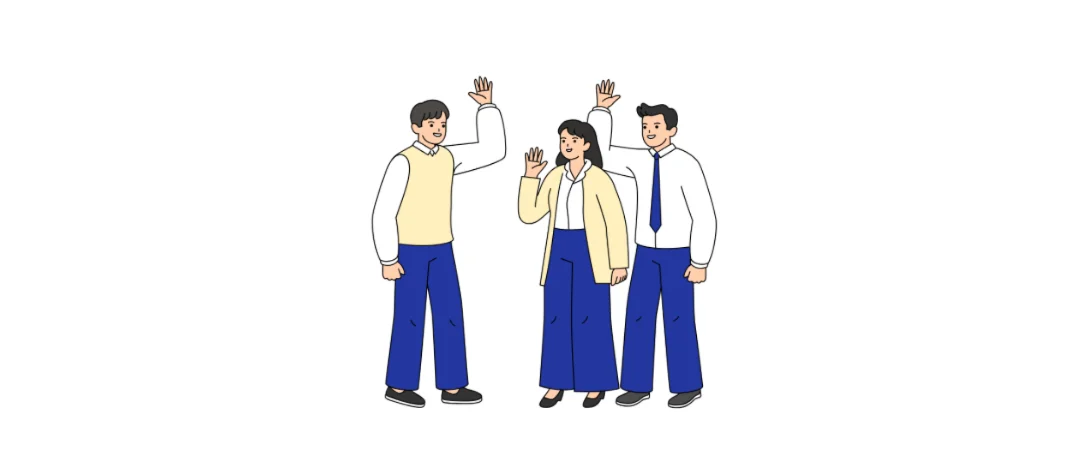
When someone says 慢走 (màn zǒu) as you are leaving, don’t automatically translate it word by word.
In a farewell situation:
慢走!
usually means something like:
✅ Take care!
✅ Take care on your way!
✅ A polite goodbye
The easiest rule to remember:
Person staying → 慢走 → person leaving
And:
慢走 → often a farewell
慢点儿走 → usually “walk a little slower”
So next time someone says 慢走 as you walk out the door, don’t worry—
they’re probably not criticizing your walking speed. 😄