
You get home — and take a shower right away.
You drink coffee — and suddenly you can’t sleep.
You see a cute dog — and instantly feel happy. 🐶
Chinese has a very useful pattern for situations like these:
一……就……
yī… jiù…
It often means:
“as soon as…”
or
“whenever…”
The basic idea is simple:
👉 A happens → B follows closely or regularly.
Once you understand this connection, 一……就…… becomes very easy to use.
01 THE BASIC PATTERN
Subject + 一 + A + 就 + B
Here, A can be an action, a situation, or a state.
B is what happens next — an action, result, or reaction.
For example:
我一到家就洗澡。
I take a shower as soon as I get home.
First:
到家
get home
Then:
洗澡
take a shower
So the logic is:
到家 → 洗澡
That is the basic idea behind 一……就…….
02 “AS SOON AS…”
This is one of the most common uses of 一……就…….
One thing happens, and another thing follows very quickly.
我一下课就回家。
I go home as soon as class finishes.
他一到公司就开始工作。
He starts working as soon as he gets to the office.
她一起床就喝水。
She drinks water as soon as she gets up.
我一拿起手机就看到你的消息。
As soon as I picked up my phone, I saw your message.
In these sentences, the connection between A and B feels very direct.

03 IT CAN ALSO MEAN “WHENEVER”
一……就…… does not always describe one single event.
It can also describe a regular or repeated pattern.
Think of it as:
Whenever A happens, B happens.
For example:
我一喝咖啡就睡不着。
Whenever I drink coffee, I can’t fall asleep.
☕ → 😵
他一紧张就说得很快。
Whenever he gets nervous, he speaks very quickly.
我妹妹一看到小狗就很开心。
Whenever my younger sister sees a puppy, she gets very happy.
Here, we are not talking about one particular time.
We are describing a pattern that happens again and again.
04 IT DOESN’T ALWAYS MEAN “IMMEDIATELY”
This is important.
Students sometimes learn:
一……就…… = immediately
But that is not always true.
Look at this sentence:
我一有时间就看书。
Whenever I have time, I read.
This does not mean that you get one free second and immediately open a book. 😄
It means that there is a natural or habitual connection:
有时间 → 看书
have free time → read
So a better way to understand the pattern is:
When A happens, B naturally follows.
Sometimes B happens immediately.
Sometimes it simply describes a usual reaction or repeated habit.
05 THE TWO PARTS CAN HAVE DIFFERENT SUBJECTS
When the same person does both things, the subject normally comes before 一:
我一到家就做饭。
I cook as soon as I get home.
But the two parts can also have different subjects.
Subject 1 + 一 + A,Subject 2 + 就 + B
For example:
老师一进教室,学生们就安静了。
As soon as the teacher entered the classroom, the students became quiet.
Here:
老师进教室
↓
学生们安静了
Another example:
妈妈一回家,我就告诉她。
As soon as Mom gets home, I’ll tell her.
So the subject does not have to be the same in both parts.

06 YOU CAN USE IT FOR PLANS AND REACTIONS
一……就…… is also useful when talking about plans.
我想一毕业就去中国工作。
I want to work in China as soon as I graduate.
我们一放假就去旅行。
We’ll go on a trip as soon as vacation starts.
It is also very common for reactions:
天气一冷,我就不想出门。
As soon as the weather gets cold, I don’t want to go out.
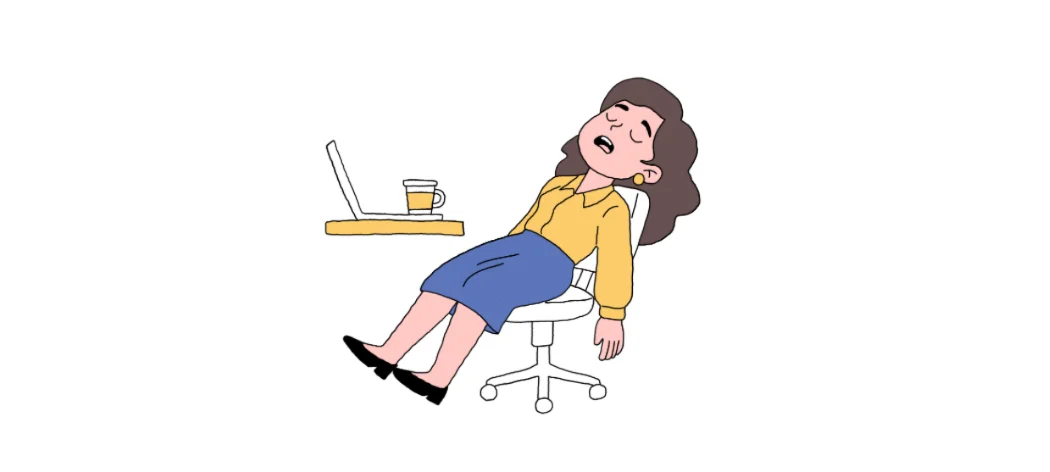
他一累就想睡觉。
Whenever he gets tired, he wants to sleep.
Notice that A does not have to be an action.
冷 and 累 describe states.
That is why it is better to remember:
一 + situation + 就 + what follows
rather than thinking only about two actions.
07 DON’T FORGET 就
A common learner mistake is remembering 一 but forgetting 就.
If you want to use this grammar pattern, keep them together:
一……就……
❌ 我一到家洗澡。
✅ 我一到家就洗澡。
I take a shower as soon as I get home.
A useful way to remember it is:
一 A → 就 B
A happens → B follows.
08 WHY DOES 一 SOMETIMES SOUND DIFFERENT?
You first learn:
一
one
But in everyday Mandarin, its tone often changes according to the syllable that comes after it.
Before a fourth-tone syllable, 一 is usually pronounced yí:
一到
yí dào
一看
yí kàn
一下课
yí xiàkè
Before a first-, second-, or third-tone syllable, 一 is usually pronounced yì:
一起床
yì qǐchuáng
一喝
yì hē
一来
yì lái
When 一 is said by itself, used as an ordinal, or read as part of a number sequence, you will often hear its original first tone:
You do not need to stop and calculate the tone every time you speak.
The more Mandarin you hear, the more natural this change will become. 👂
09 COMPARE THESE TWO SENTENCES
Look at the difference:
我到家以后洗澡。
I take a shower after I get home.
This simply tells us the order:
get home → take a shower
Now compare:
我一到家就洗澡。
I take a shower as soon as I get home.
The second sentence creates a much closer connection between the two events.
It feels like:
Get home → shower right away
That is why 一……就…… is especially useful when one situation is closely followed by another.
10 TRY IT YOURSELF ✍️
How would you say these in Chinese?
1. I drink water as soon as I get up.
✅ 我一起床就喝水。
Wǒ yì qǐchuáng jiù hē shuǐ.
2. Whenever he gets tired, he wants to sleep.
✅ 他一累就想睡觉。
Tā yí lèi jiù xiǎng shuìjiào.
3. As soon as the teacher arrives, we start class.
✅ 老师一来,我们就开始上课。
Lǎoshī yì lái, wǒmen jiù kāishǐ shàngkè.
4. Whenever I see this photo, I think of you.
✅ 我一看到这张照片就想起你。
Wǒ yí kàndào zhè zhāng zhàopiàn jiù xiǎngqǐ nǐ.
QUICK REVIEW 🧠
Remember this simple pattern:
Subject + 一 + A + 就 + B
The two most common meanings are:
As soon as A happens, B happens.
or
Whenever A happens, B happens.
For example:
我一下课就回家。
I go home as soon as class finishes.
我一喝咖啡就睡不着。
Whenever I drink coffee, I can’t fall asleep.
The key idea is not simply “immediately.”
It is:
A happens → B follows closely or regularly.
Once you understand that relationship, you can use 一……就…… naturally in many everyday Chinese conversations.