
How do you say “should,” “need to,” “have to,” and “must” in Chinese?
You’ll often see these four words:
应该 (yīnggāi)
得 (děi)
必须 (bìxū)
要 (yào)
They may look similar in English, but they don’t work in exactly the same way in Chinese.
Compare:
你应该早点睡。
Nǐ yīnggāi zǎodiǎn shuì.
你得早点睡。
Nǐ děi zǎodiǎn shuì.
你必须早点睡。
Nǐ bìxū zǎodiǎn shuì.
你要早点睡。
Nǐ yào zǎodiǎn shuì.
All four sentences can talk about going to bed early — but the reason, tone, and situation are different.
Let’s make the difference simple. 👇
01 应该 (yīnggāi) — “should”
Use 应该 when you are giving advice or saying what you think is reasonable or appropriate.
Think:
👉 This would be a good idea.
Example
你应该多休息。
You should get more rest.
你明天有考试,今晚应该早点睡。
You have an exam tomorrow, so you should go to bed early tonight.
Here, the speaker is giving advice.
The listener can still decide whether to follow it.
Negative form
不应该 = shouldn’t
你不应该每天睡这么晚。
You shouldn’t go to bed this late every day.
💡 Small note
应该 can also express probability or expectation:
他现在应该到家了。
He should be home by now.
That is a different use of 应该.

02 得 (děi) — “have to / need to”
When 得 is pronounced děi, it commonly means:
have to / need to
It is very common in everyday spoken Chinese.
Think:
👉 Something is necessary, often because of the situation.
Example
我明天六点起床,所以今晚得早点睡。
I have to get up at six tomorrow, so I need to go to bed early tonight.
快迟到了,我们得走了。
We’re going to be late. We have to go.
明天有考试,我今晚得复习。
I have an exam tomorrow, so I have to review tonight.
In these examples, the situation creates a clear need to do something.
⚠️ Watch the pronunciation
Here, 得 is pronounced děi.
Compare:
我得走了。
I have to go.
她说得很好。
She speaks very well.
The character is the same, but the pronunciation and grammar are different.
03 必须 (bìxū) — “must”
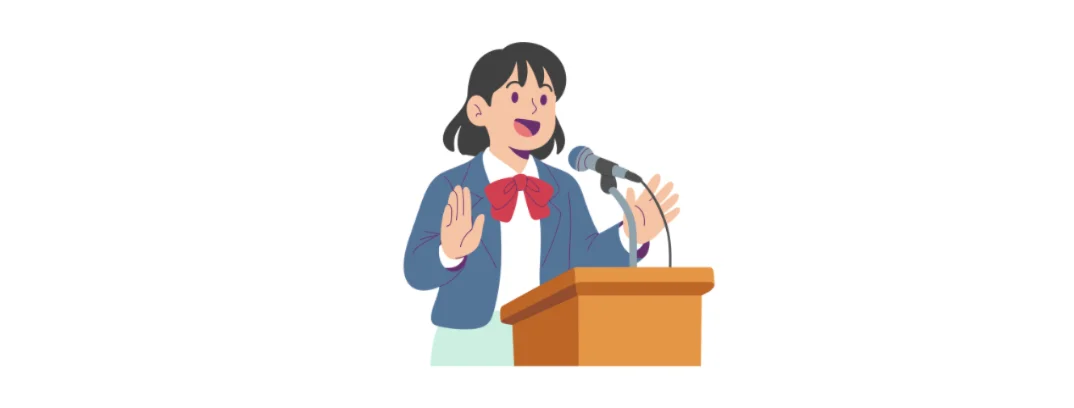
必须 expresses a strong necessity or requirement.
Think:
👉 The speaker sees this as necessary or non-negotiable.
It is common in:
-
rules
-
requirements
-
instructions
-
serious decisions
Example
进入考场前,考生必须出示有效证件。
Candidates must show valid identification before entering the exam room.
开车的时候必须系安全带。
You must wear a seat belt when driving.
But 必须 is not only used for formal rules.
It can also express a strong personal decision:
我今天必须把这个做完。
I absolutely have to finish this today.
Compared with 得, 必须 usually sounds stronger and more emphatic.

04 要 (yào) — the flexible one
要 is probably the trickiest word here because it has several common meanings.
Depending on context, 要 can mean:
want
be going to
need to
should
So don’t translate every 要 in exactly the same way.
Want
我要一杯咖啡。
I want a cup of coffee.
Future plan
我明天要去上海。
I’m going to Shanghai tomorrow.
Advice or reminder
你最近太累了,要早点休息。
You’ve been too tired lately. You need to get more rest.
Instruction or expectation
上课的时候要认真听。
You need to listen carefully in class.
The exact feeling of 要 depends a lot on the speaker and the situation.
It can sound like advice, a reminder, an expectation, or an instruction.
That’s why context matters.

05 One Situation, Four Different Feelings
Imagine a student has an exam tomorrow.
应该 — advice
你应该复习一下。
You should review a little.
🙂 The teacher thinks this is a good idea.
要 — reminder or instruction
你今天晚上要复习。
You need to review tonight.
👉 More direct. The speaker expects you to do it.
得 — practical necessity
我明天考试,今晚得复习。
I have an exam tomorrow, so I have to review tonight.
😬 The situation makes it necessary.
必须 — strong requirement
考试的时候必须关掉手机。
You must turn off your phone during the exam.
🚨 This is a strong requirement or rule.

06 Be Careful with Negative Forms
This is one of the most useful differences to remember.
应该 → 不应该
你不应该熬夜。
You shouldn’t stay up late.
But if you want to say:
“You don’t have to go.”
The most natural expression is usually:
不用
你明天不用来。
You don’t have to come tomorrow.
You may also hear:
不必 = don’t need to / don’t have to
不需要 = don’t need to
For example:
你不必担心。
You don’t need to worry.
⚠️ 不要 ≠ don’t have to
Compare these two:
你不要去。
Don’t go.
But:
你不用去。
You don’t have to go.
The difference is small in Chinese, but huge in meaning. 🔑
07 One Common Learner Mistake
Chinese learners sometimes use 必须 every time they want to express “must” or “have to.”
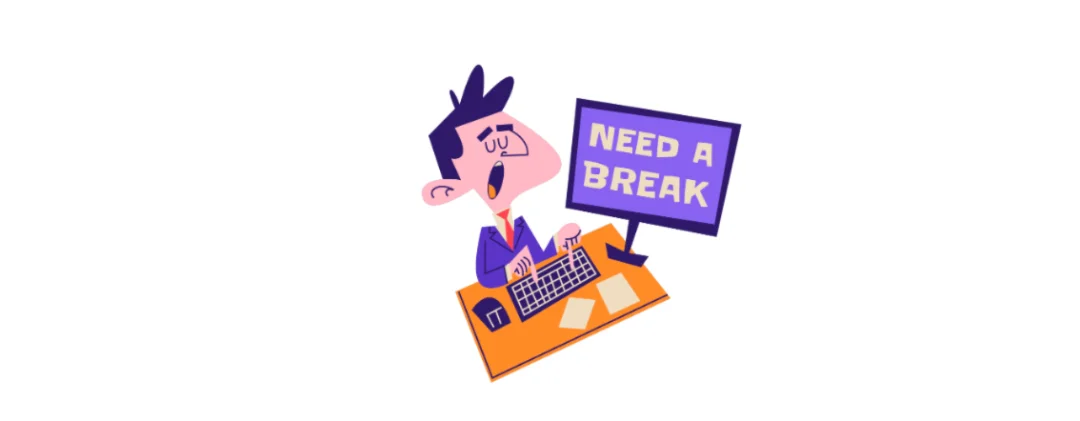
But in everyday conversation, 得 is often more natural for ordinary personal necessities.
For example:
我累了,我得睡觉了。
I’m tired. I need to go to bed.
If you say:
我累了,我必须睡觉了。
It is grammatically correct, but it sounds more emphatic:
I absolutely have to sleep now.
So the best word depends on the situation — not only on the English translation.

Quick Takeaway
If you only remember four ideas, remember these:
💡 应该 (yīnggāi)
= should
Use it for advice or what seems reasonable.
⏰ 得 (děi)
= have to / need to
Very common for everyday necessity.
🚨 必须 (bìxū)
= must
Use it for a strong necessity or requirement.
👉 要 (yào)
= want / be going to / need to / should
Its meaning depends heavily on context.
And remember this important pair:
不要去。
Don’t go.
不用去。
You don’t have to go.
One small word can completely change the meaning. 😊