

For many foreign students learning Chinese, Chinese characters (汉字 hànzì) are often the most challenging part of the language. Unlike alphabetic languages, Chinese characters are not built from letters that represent sounds. Instead, each character is a logographic symbol, which means it carries meaning as well as sound.
It is therefore completely normal to feel frustrated when learning characters. Many students say: “I can remember a character today, but I forget it two days later.” This is one of the most common experiences in Chinese learning.
However, the problem is usually not the difficulty of characters, but the learning method. When you use the right strategy, memorizing Chinese characters becomes much easier and even enjoyable.
Below are several practical methods that experienced Chinese teachers often recommend to students.
1️⃣ Understand the Structure of Chinese Characters
Most Chinese characters are not random drawings. In fact, about 80–90% of characters are composed of components called radicals (部首 bùshǒu).
A typical character often contains two parts:
• Semantic component (meaning hint)
• Phonetic component (pronunciation hint)
Understanding this structure can greatly reduce your memorization burden.
Example:
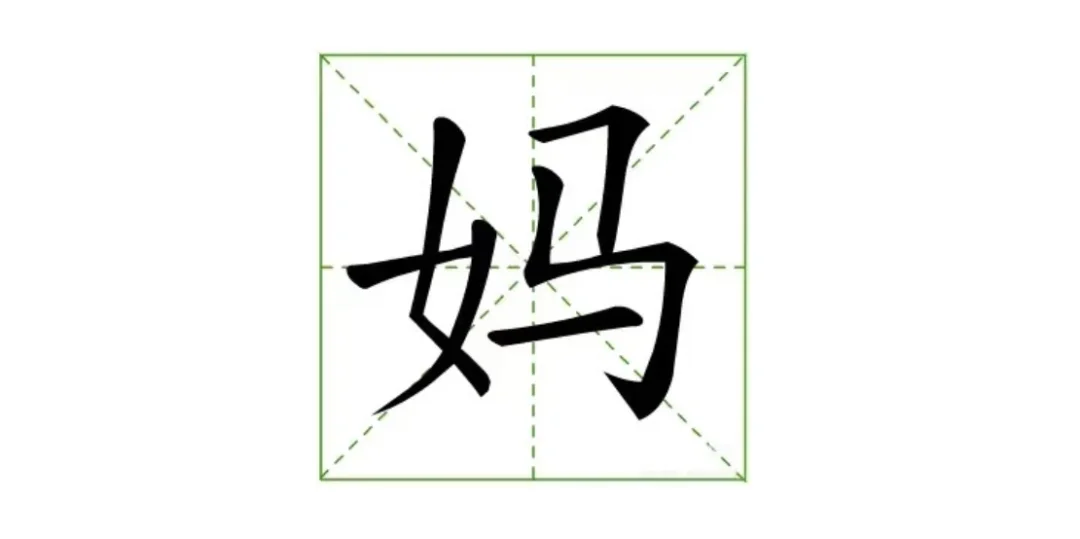
妈 (mā) – mother
妈 = 女 + 马
女 (nǚ) → related to women
马 (mǎ) → provides the pronunciation clue
Example sentence:
我妈妈很好。
My mother is very kind.
When you recognize components like this, you are learning a system rather than memorizing isolated symbols.
2️⃣ Learn Characters Through Words, Not Individually
Many beginners try to memorize characters one by one, which often leads to forgetting them quickly. A more effective method is to learn characters together with vocabulary words.
Example:
学 (xué) – to study
Instead of memorizing 学 alone, learn it through words:
学习
to study
学生
student
Example sentence:
我是学生。
I am a student.
When characters appear repeatedly in different words, your brain naturally strengthens the memory.

3️⃣ Write Characters by Hand
Although typing is convenient today, writing characters by hand is still one of the best ways to remember them.
Writing helps you remember:
• the structure of the character
• the stroke order (笔顺 bǐshùn)
• the visual pattern
For beginners, writing a character 5–10 times while saying the pronunciation aloud can be very effective.
Example:
你
you
Example sentence:
你好
Hello
The combination of hand movement + sound + meaning strengthens memory.

4️⃣ Create Mental Images or Stories
Chinese characters often become easier to remember when you connect them with visual images or simple stories.
Example:
休 (xiū) – to rest
休 = 人 + 木
人 (rén) → person
木 (mù) → tree
Imagine a person leaning against a tree to rest.
Example sentence:
我想休息一下。
I want to rest for a while.
This kind of visualization helps transform characters into meaningful pictures rather than abstract symbols.

5️⃣ Review Characters Frequently (Spaced Repetition)
Forgetting characters after a few days is completely normal. What matters is how you review them.
A simple and effective review schedule could be:
• Review after 1 day
• Review after 3 days
• Review after 1 week
• Review after 2 weeks
Each time you review, your memory becomes stronger.
Example character:
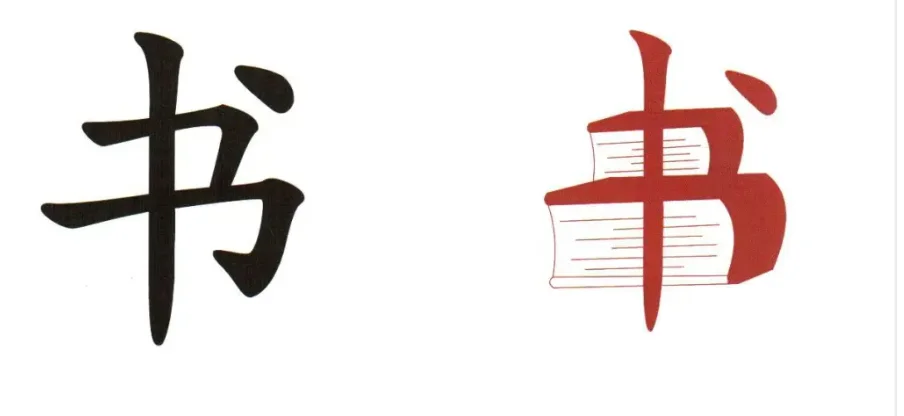
书
book
Example sentence:
我买了一本书。
I bought a book.
Short, repeated reviews are far more effective than long study sessions once a week.
6️⃣ Learn Characters in Context
Characters become much easier to remember when they appear in real sentences or situations.
Example:
看 (kàn) – to look / watch
Example sentence:
我看电影。
I watch a movie.
Instead of memorizing the character alone, connecting it with a sentence allows you to remember:
• pronunciation
• meaning
• grammar usage
This is how the brain naturally learns language.

7️⃣ Accept That Forgetting Is Part of the Process
Many students believe they are “bad at characters” simply because they forget them. In reality, forgetting is part of normal learning.
Even native Chinese children spend years mastering characters.
The key is consistency. Learning a small number of characters every day is far more effective than trying to memorize hundreds at once.
For example:
• 10 characters per day
• 300 characters per month
• Over 3,000 characters within a year
This steady progress makes the process manageable and motivating.

Final Thoughts
Chinese characters may look complex at first, but they follow clear patterns and logical structures. Once you understand how characters are built and practice them regularly, memorizing them becomes much easier.
Remember:
Learning characters is not about talent — it is about method and consistency.
If you approach characters step by step, what once seemed difficult will gradually become familiar, and eventually, reading Chinese will feel natural.
Keep practicing, and you will see your progress sooner than you expect.